Фасадные материалыCRISBAR#CRISBAR#Structures#Metal structures#Construction materials#Metals and alloys
CRISBAR BAR X-L - Механические соединения
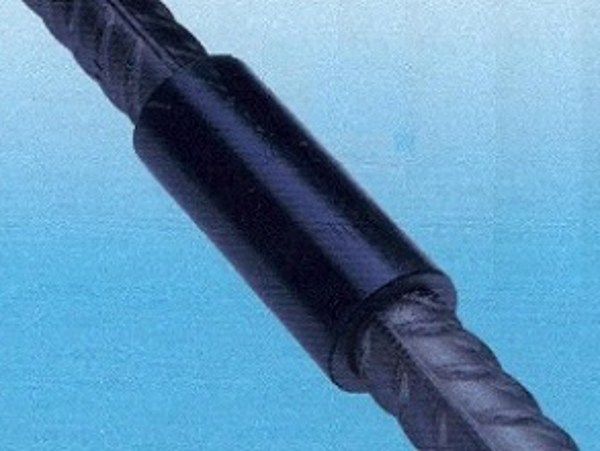
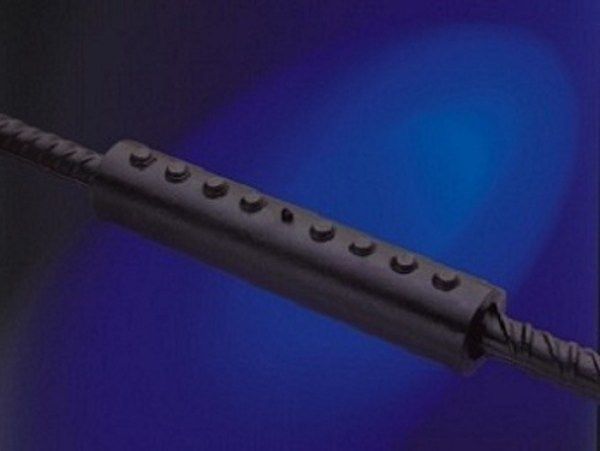
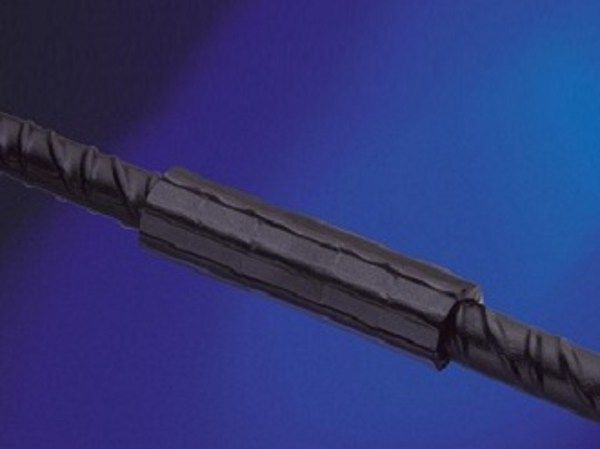
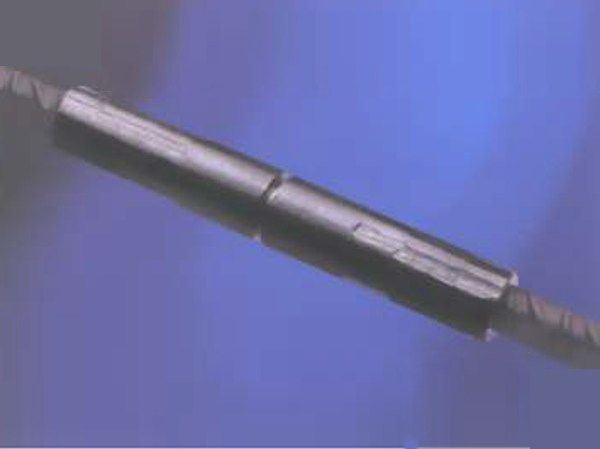
The BAR X-L system represents the latest development in mechanical joints for reinforcement bars. The use of mechanical joints to join reinforcement bars is rapidly gaining acceptance among designers and constructors. The advantages of a 'total performance' joint over a normal overlap are particularly evident, especially with the large diameter bars in use today.Competitiveness and safety, time and methods increasingly imply the increasing use of prefabrication (in the broadest sense) on construction sites, with greater appreciation of the upstream and downstream advantages and functionality of mechanical joints. BAR X-L sleeves are designed and manufactured to BS EN ISO 9001. The sleeves have been tested to prove compliance with international codes BS 5400, BS 8110, ACI 318, DIN 1045 and BBK 94 volume 22 Swedish code.
Characteristics of BAR X-L Mechanical Joints
BAR X-L mechanical joints utilise a parallel threaded sleeve connection at one end with threaded roll bars for a total performance joint providing designers and builders with a positive solution to a number of design problems encountered in today's modern structures, which are summarised below:
To overcome specific design problems
To meet requirements related to the elimination of overhanging bars
To solve problems from damage, omission or displacement of reinforcement bars.
Design problems solved by mechanical joints.
When the space between bars is insufficient to allow overlapping.
When the design lengths for overlapping are such that they are uneconomic.
To eliminate bent bars at the point of overlap
To reduce the reinforced concrete section
To solve cases where the overlap length is insufficient.
When a totally secure bond is required.
When long bars are not available or cannot be transported or handled.
The advantages of eliminating overhanging bars.
To meet requirements for the elimination of protruding bars
To meet safety and access requirements.
To provide a method for extending structures in phased constructions in different periods.
To join lateral elements in diaphragms and climbing formwork.
To facilitate the dismantling of formwork in confined spaces.
To avoid staining, corrosion or damage during downtimes between casting phases.
To eliminate punctures in multi-purpose formwork.
To avoid damage to protruding reinforcement.
In practice, these and many other situations are encountered in every type and size of reinforced concrete structure, but the use of mechanical joints is particularly relevant in large projects and complex constructions such as nuclear power plants, dams, bridges, viaducts, piers, tunnels, subways, offshore structures, industrial and commercial complexes, etc.
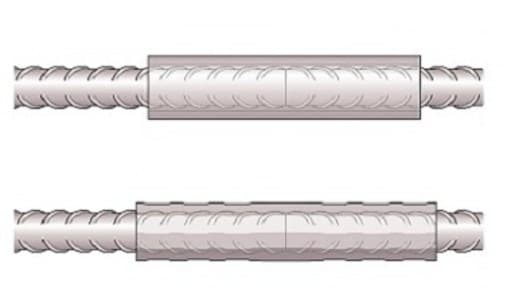
The types
BAR X-L TYPE 'A' JOINT
Right/right sleeve, single thread length, when the continuation bar can be rotated.
BAR X-LTIPO "B" JOINT
Right/right sleeve, double thread length, when it is difficult but possible to rotate the continuation bar (e.g. long, heavy bars).
BAR X-LTIPO "C" JOINT
Right / right sleeve, extra long thread length to accommodate sleeve and stop nut (or ferrule) on a bar, used when it is not possible to rotate the continuation bar.
0
0