

Nuova Oxidal#Nuova Oxidal#Cesare Monti#Tensyon System#External walls and facades#Anchorage systems and profiles for facades
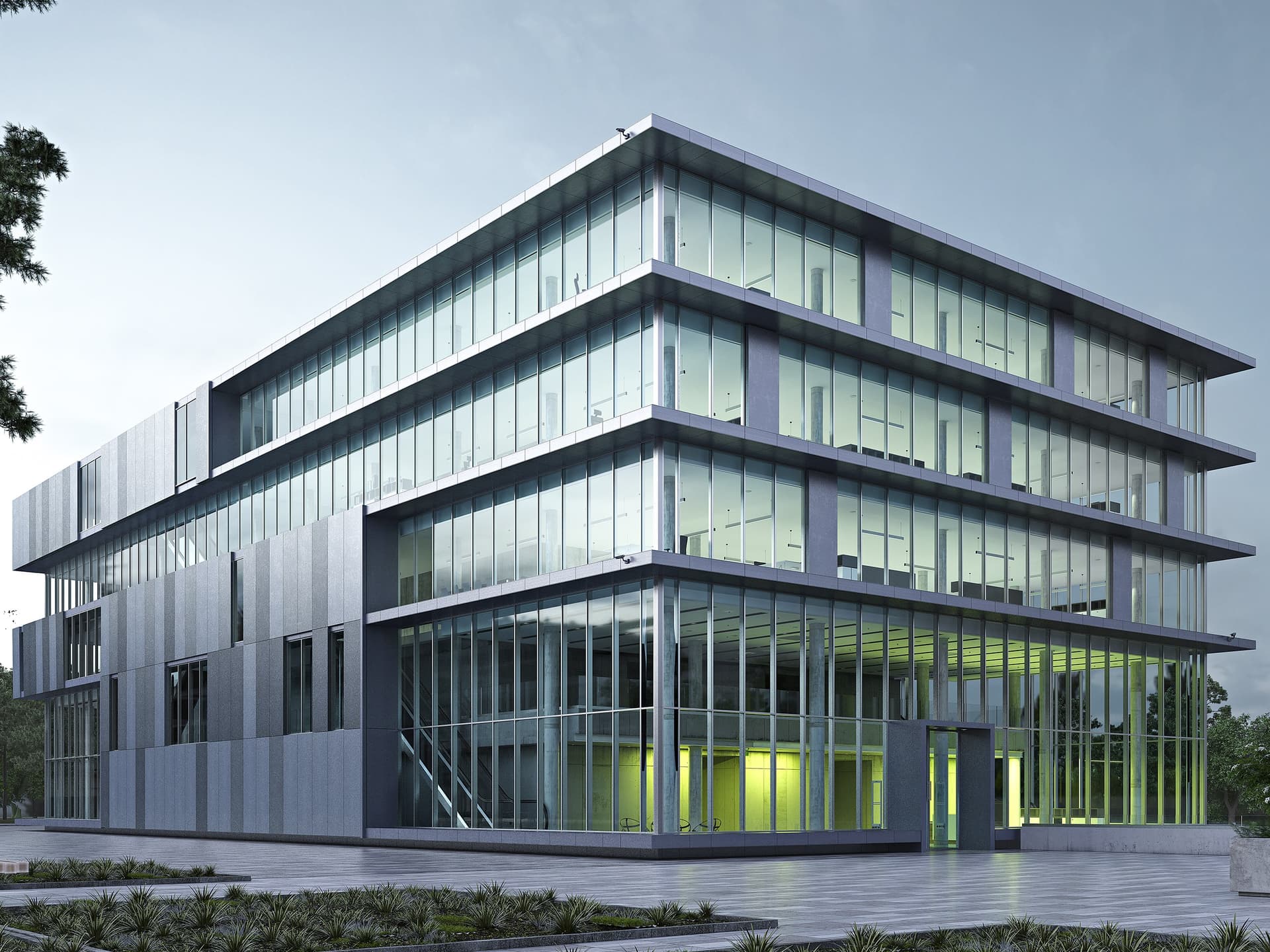
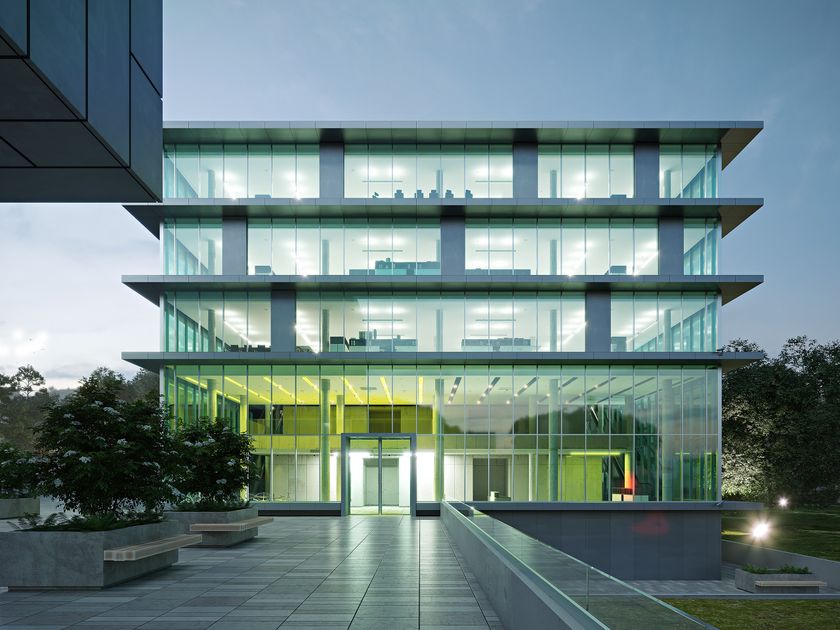
Nuova Oxidal TENSYON EVO System for punctual suspended glass facade
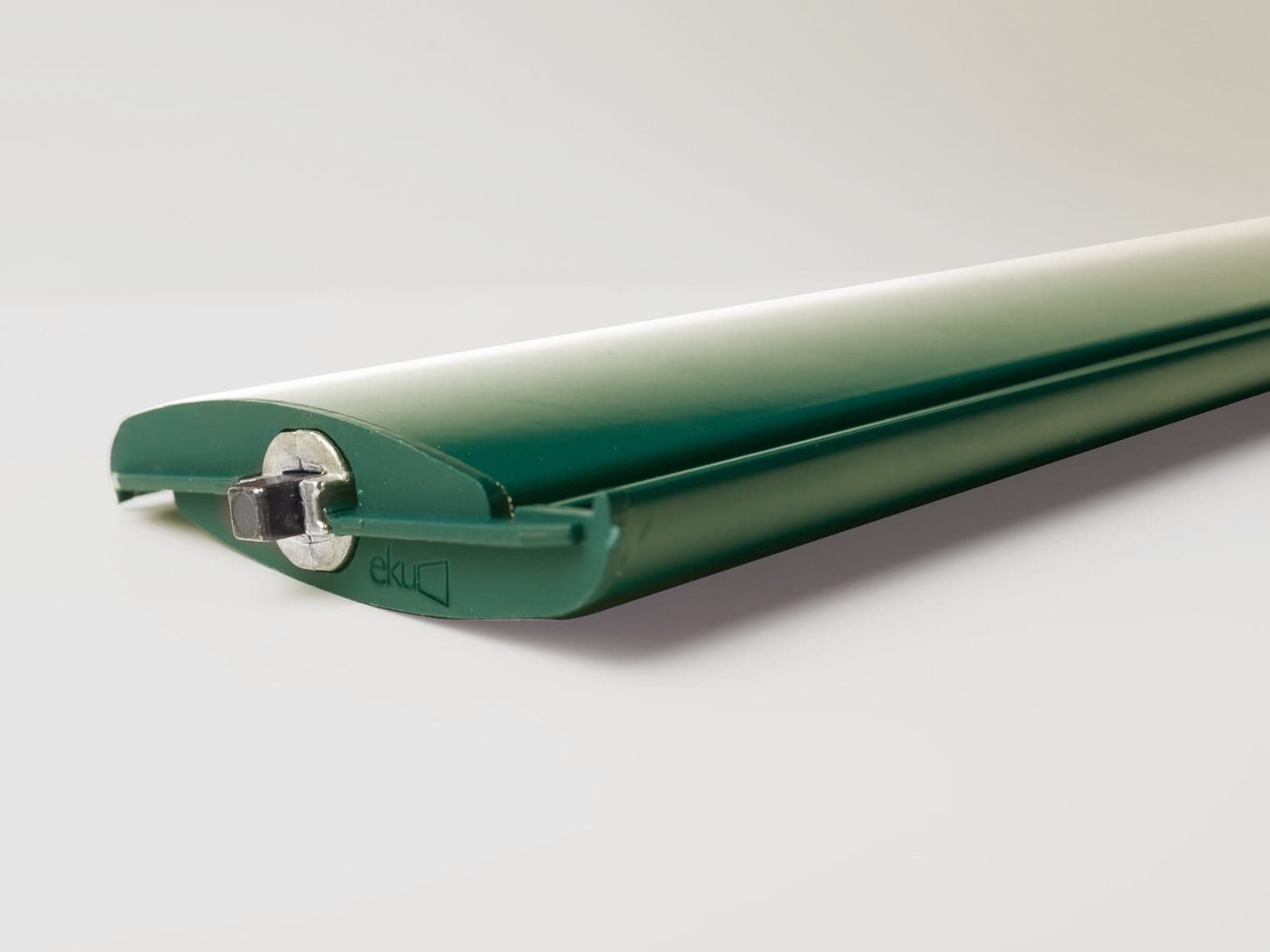
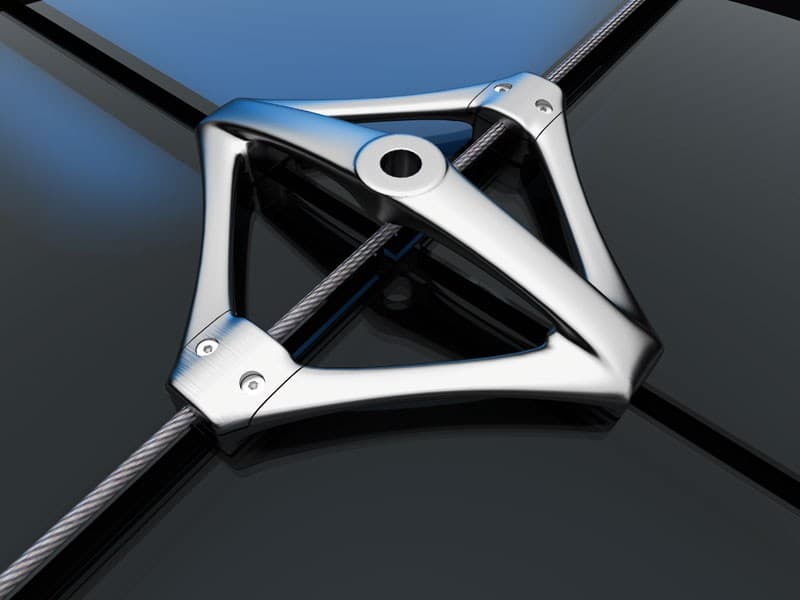
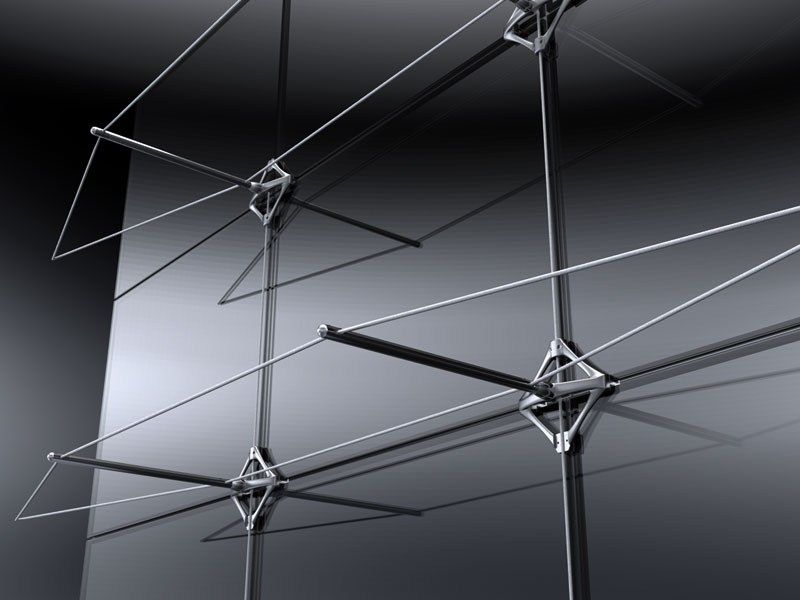
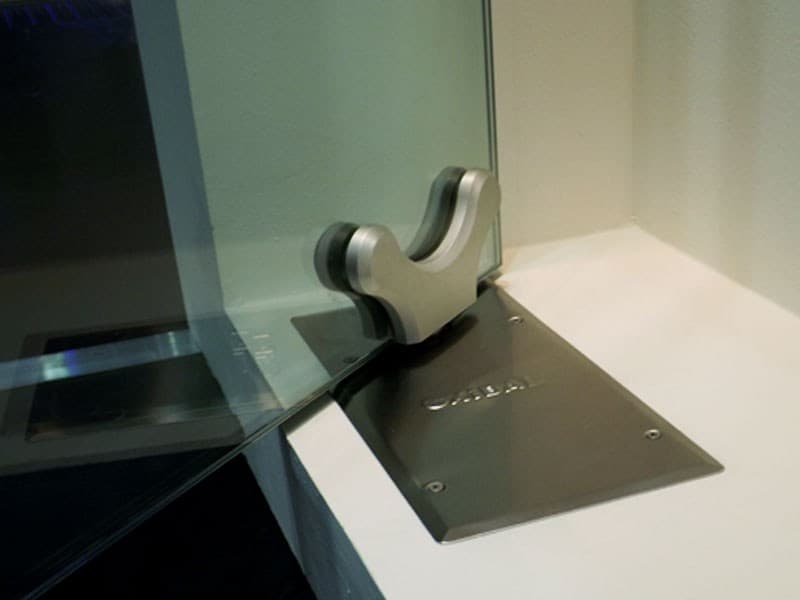
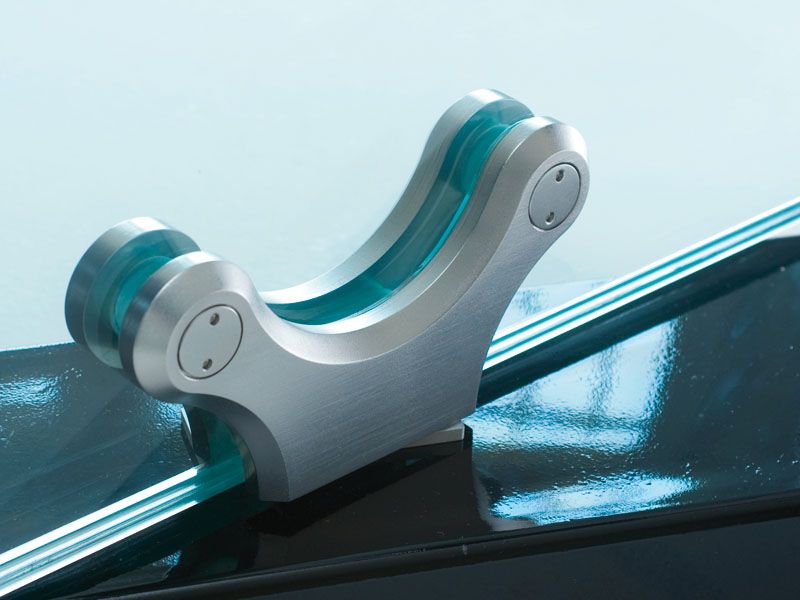
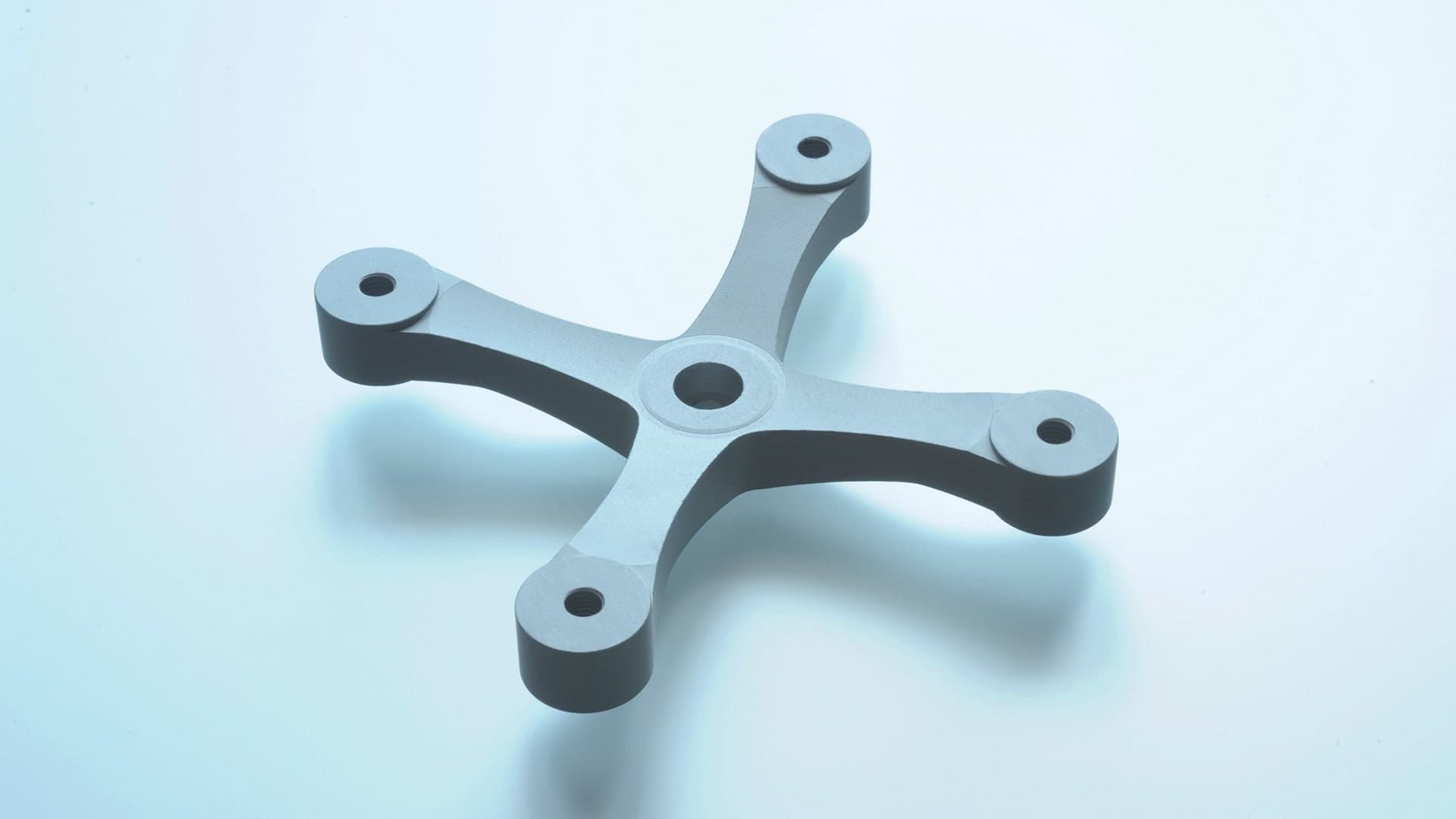
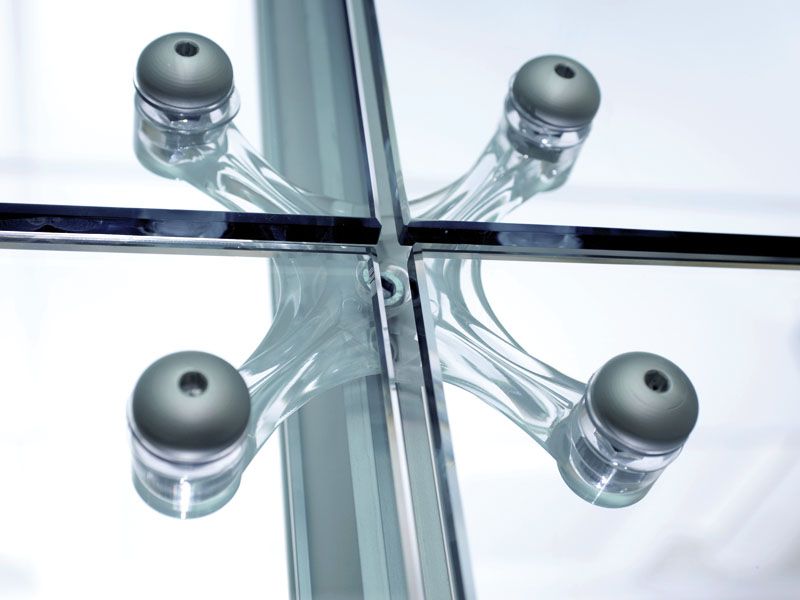
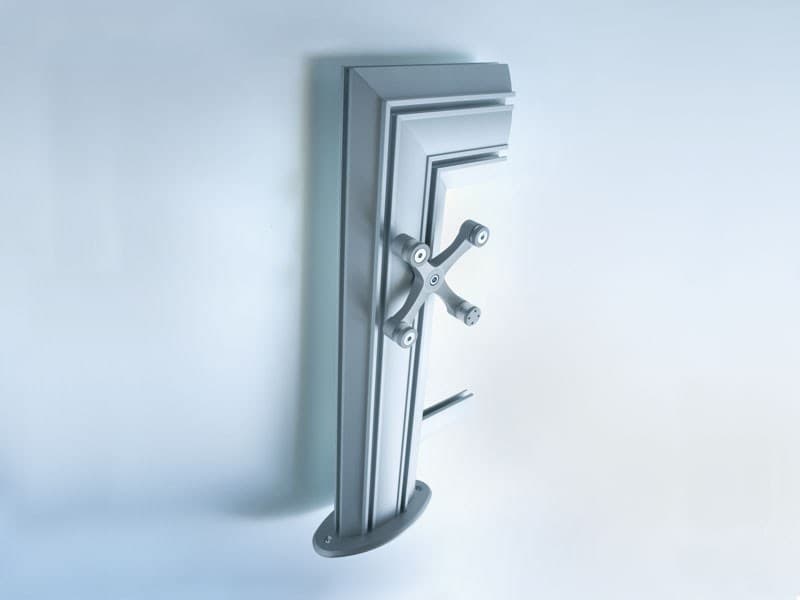
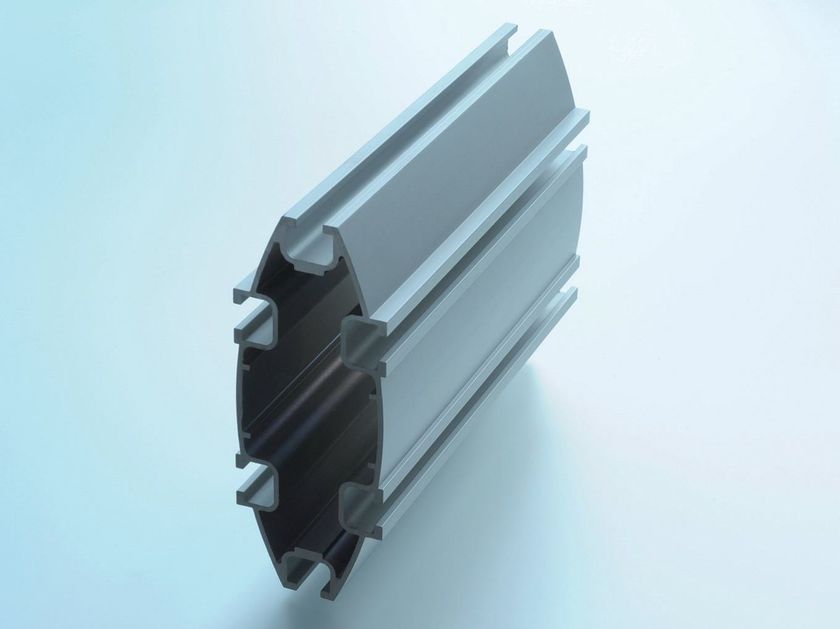
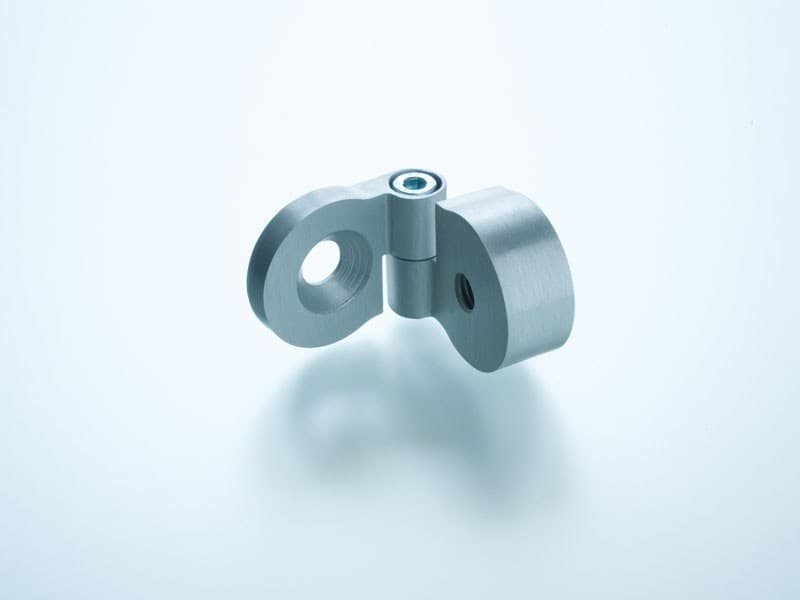
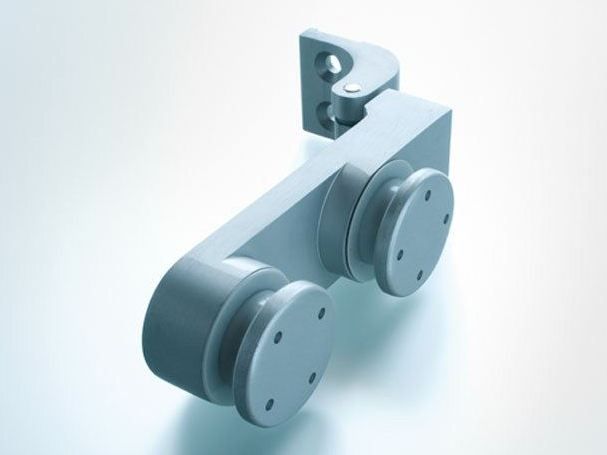
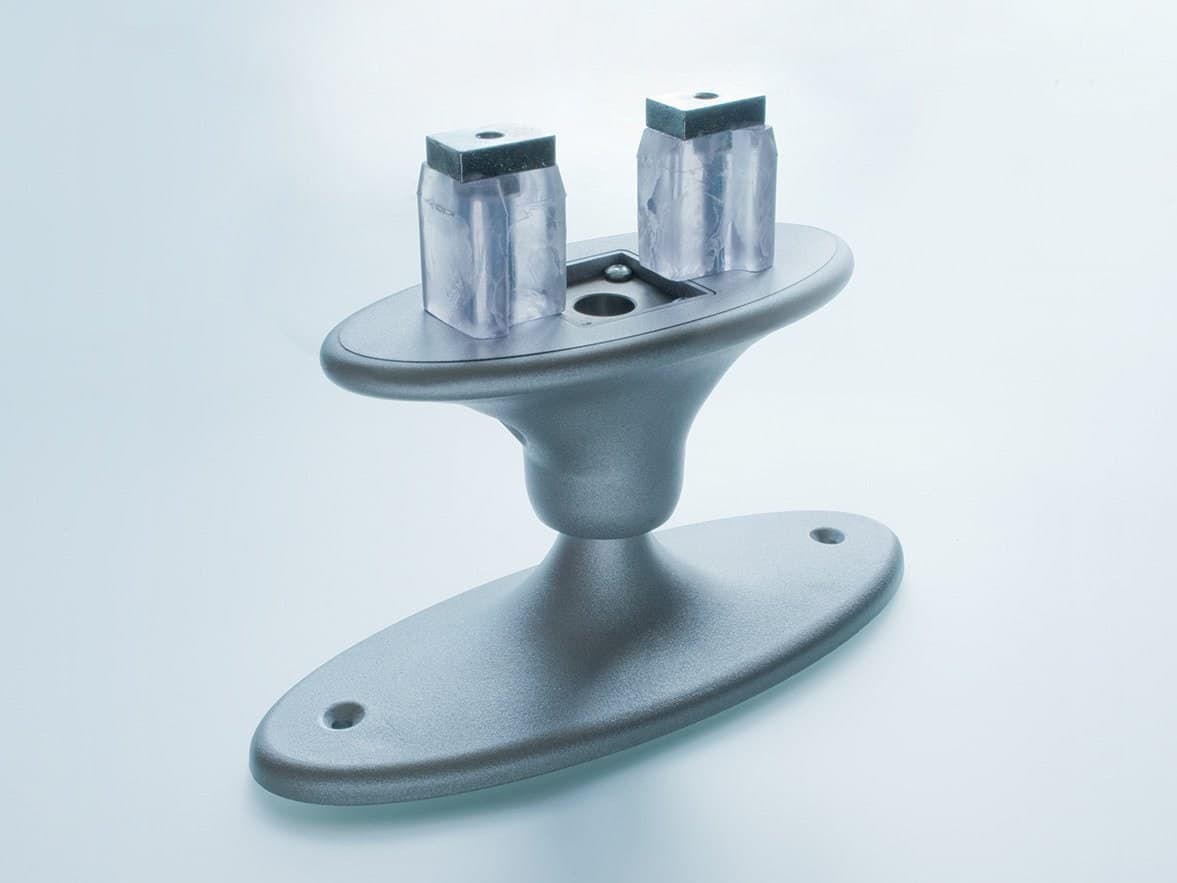
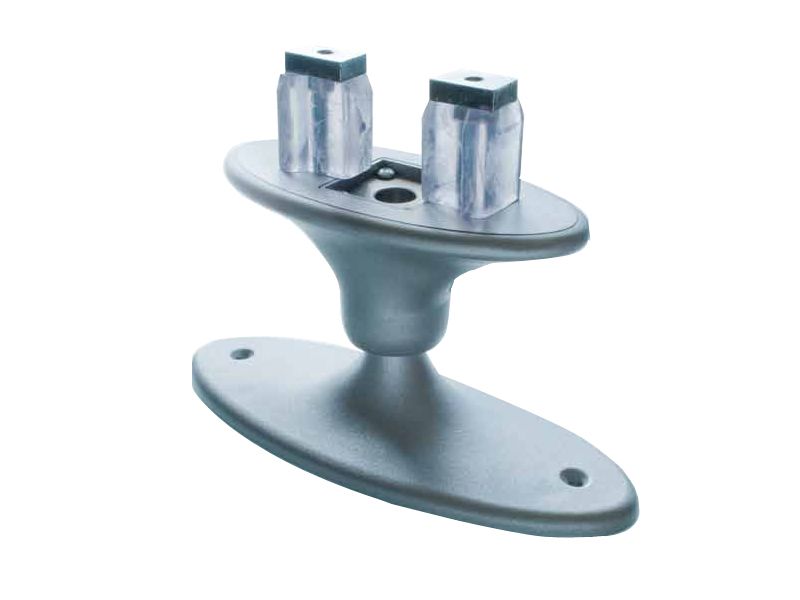
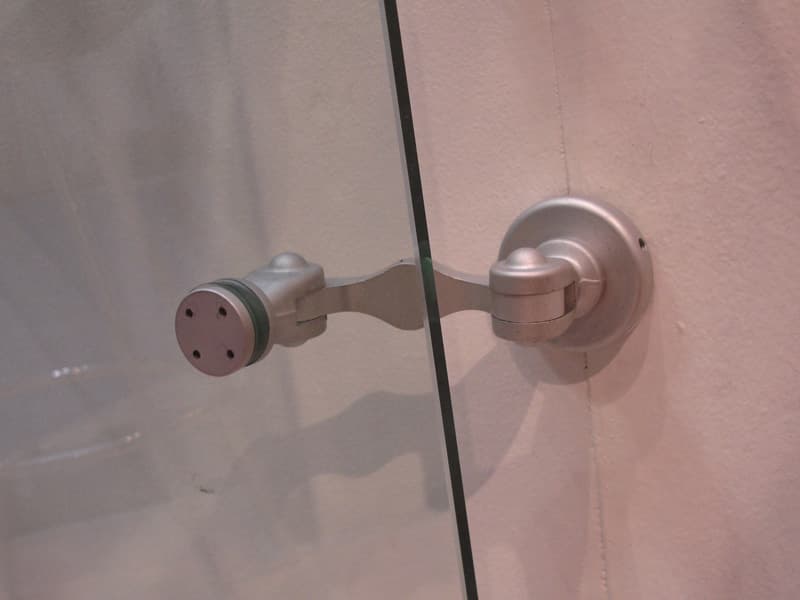
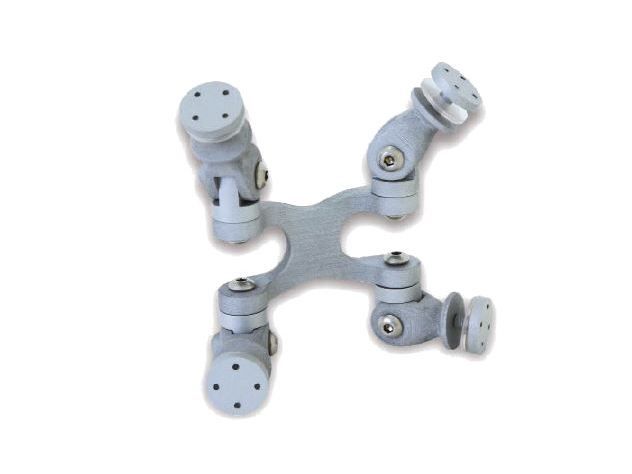
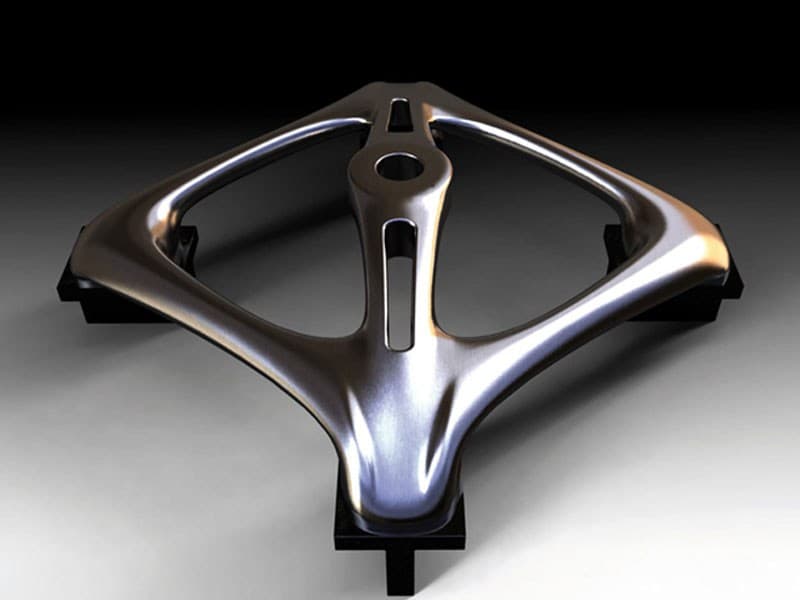
Tensyon EVO is a revolutionary support for point-fixing systems made of glass panels requiring no holes. Tensyon EVO is a less specialized component of Tensyon System: it no longer allows for the fixing of steel wires, but acquires new lightness and functionality, becoming a versatile solution for any requirement, from facades to coverings, from canopies to marquees. Its «smart» design, especially refined in its elegant and streamlined shape, makes it ideal for interiors and furnishings, as well as for exhibition booths or display needs in general. Tensyon EVO’s greatest innovation is its system of studs in composite materials, featuring top mechanical resistance and REI certified for fire resistance. This feature allows for the setting up of glass panels in direct contact, avoiding the complication of gaskets and fillers. Glass is ensured all necessary mechanical flexibility to the impact of wind and thermic variations through a device integrated in the external stud. Like its predecessor, Tensyon EVO is the result of in-depth formal and technological research to guarantee top performance in resistance through cutting-edge FEM analysis techniques. Tensyon Evo is therefore a true breakthrough in supporting systems for bearing structures, and further proofs Oxidal’s commitment to the research of innovative and top-performing solutions to meet even the most complex project demands
It is an innovative punctual glass support system without perforation that can be used with panes composed of monolithic, laminated and chamber glass. Tensyon 's greatest innovation lies in its innovative stud system made of composite materials with high mechanical strength and REI fire resistance certification. Their use allows the glass to be installed directly in contact without the need for gaskets or interlayers, which are always difficult to install. The interposition of these special studs also makes it possible to absorb the movements induced by the glass as a result of the stresses acting on the façade. Thus, the application principle of fixing by means of articulated 'rotules' screws, which keeps the panes free to move both axially and in rotation, is maintained, eliminating the inconveniences caused by drilling and then tempering. The result is a considerable reduction in the cost of processing the slabs, which allows a punctual façade to be achieved with a much reduced budget. The lack of drilling also eliminates one of the major limitations of point fixing: the difficult use of double-glazing, which in the ever-increasing responsible attention to the energy efficiency of the building construction makes its use unavoidable.
The same problem of drilling and space requirements is also eliminated with regard to the use of photovoltaic surfaces and the integration of components within the glass panel.
Through a project that began with the use of accurate finite element structural simulations and with the performance tables required by the market clearly in mind, we have achieved very high levels of strength of the various components: each support is able to withstand loads in the order of 2000N with minimal deformations and a high safety factor.
These results go along with the current trend of designers to increase the size of glass panels in search of increasingly borderline transparency, while at the same time accommodating the mature demands for rational energy performance.
424
0