Декоративные краскиOltremateria#Oltremateria#Paints and varnishes#Construction#Paint Additives#Paint and varnish
Oltremateria PLANT DYES Vegetable colors
Plant Dyes is a project to promote and support new sensitivities and create connections between the past and the present, between culture and manufacturing, and between the economy and the environment.
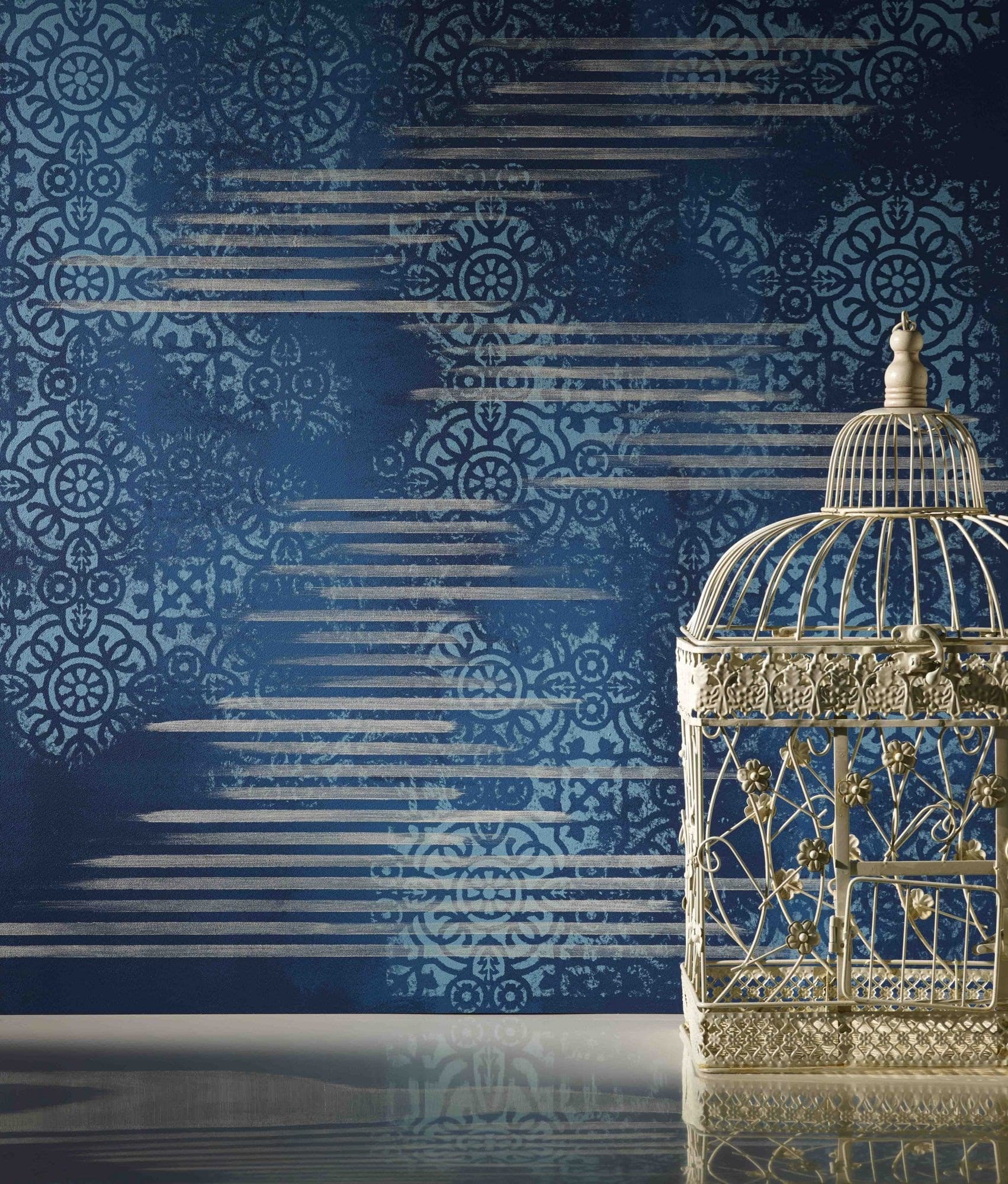
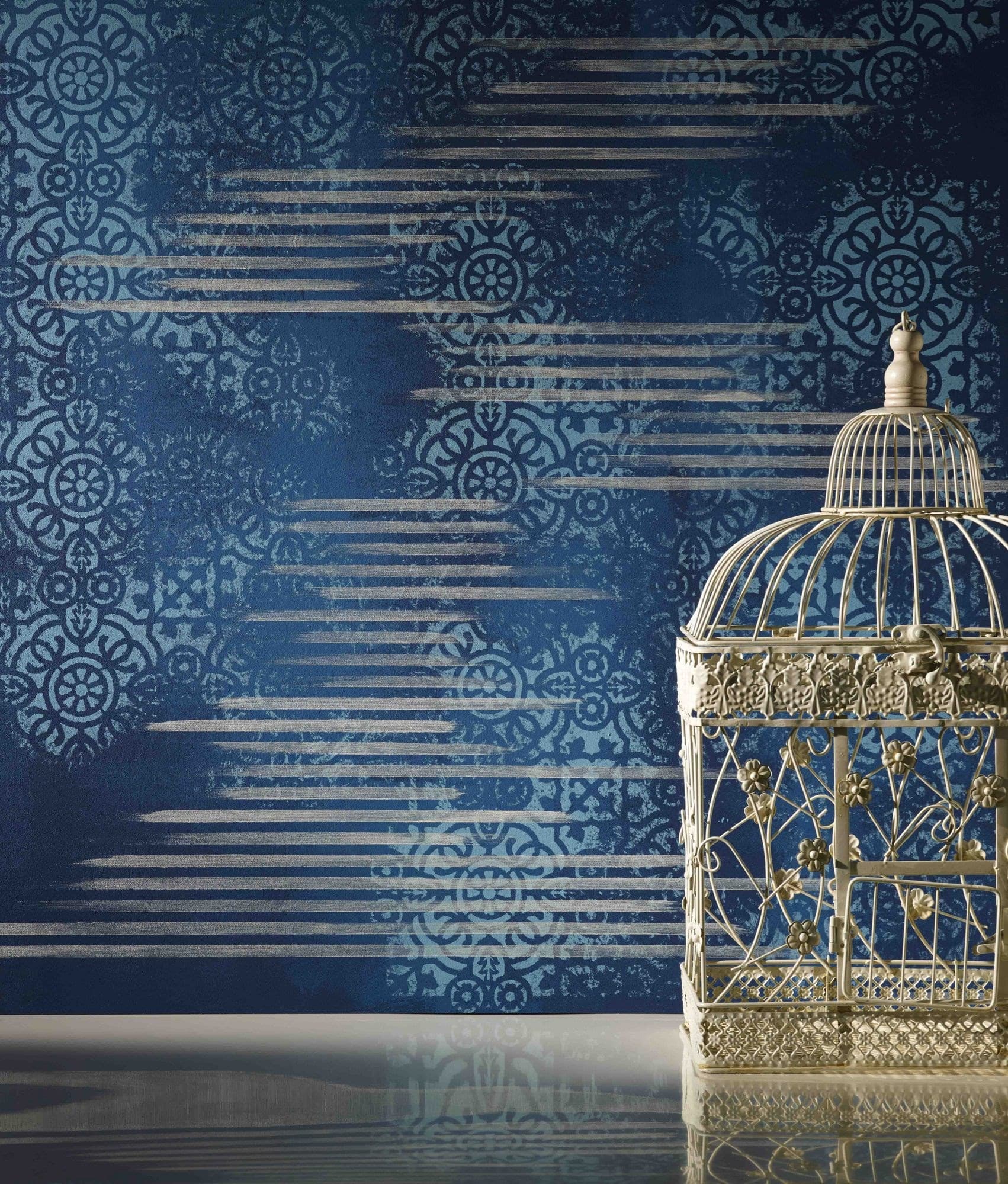
Oltremateria® offers you new experiences and modern research and applications with plant dyes, colours and paints, telling a story of the design of surfaces and sustainable architecture.
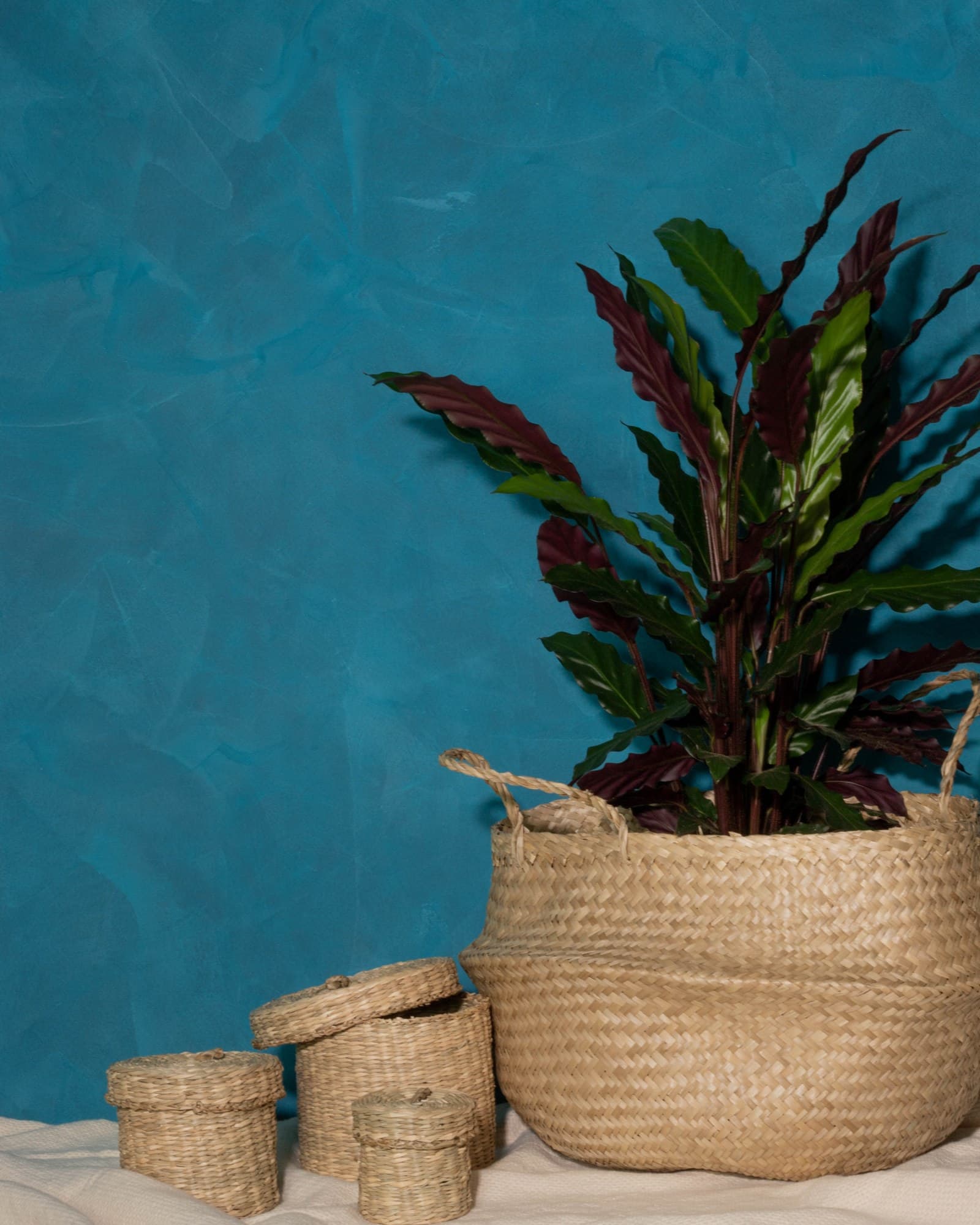
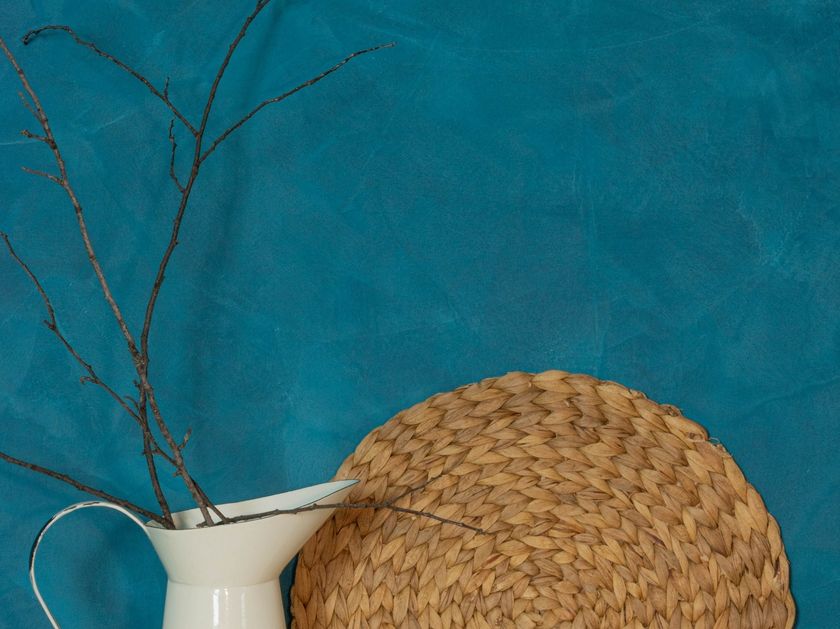
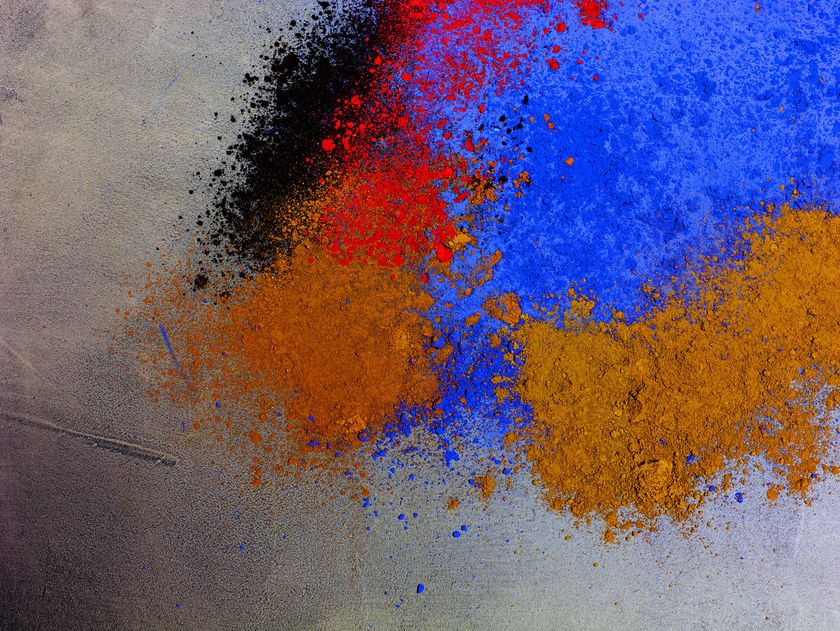
Oltremateria® brings life to a new and extraordinary collection of 10 natural colours, originating from a collaboration with important research and development laboratories on the extraction of pigments from herb and plant material processing, recycling and recovery, and on their colour and various applications.
Plant colours are light and vibrant, transmitting harmony, balance, sensations and pure emotions.
Plant dyes have played a fundamental role in the great Italian traditions of art textiles and painting, and, today, with new experiences that are the fruit of lengthy research and development, they return to use in the contemporary collection signed by Oltremateria®, and supported by an authentic, exclusive, modern and quality manufacturing system in harmony with the local territory, communities and culture.
Since ancient times, our civilization has developed dyeing techniques using the plant varieties found in the local area. In Europe, until the 19th century, weld, madder and woad were the plants from which were extracted the three main colours used in dyeing: yellow, red and blue. However, a multitude of other herbal extracts were used for dyeing purposes, such as smoketree, saffron, broom, safflower and nettle.
Among all these plants, woad (Isatis tinctoria) took on a particular importance, representing a considerable source of wealth for areas that cultivated it, so much so that became known as “blue gold”. This was because it was the only dye capable, at the time, of producing a blue shade of high quality, in terms of both colour and resistance to light and wear and tear. It was used not only to dye fabrics and tapestries, but also in painting and the illustration of books.
Italian woad was so important in Europe that, from the mid-1200s onwards, it was the subject of substantial commercial exchanges and exports. Just as woad, other dyes and materials were the subject of this important mercantile trade, such as alum used not only for dyes but above all for soapmaking, which was a major industry in Italy.
The rediscovery of plant dyes and colours, particularly woad, began, for Italy, with the historical studies of Delio Bischi, who investigated the remains of woad millstones, and of Corrado Leonardi, who investigated 14th century altar paintings with blue bands. These studies led to further research on the extraction and application of plant dyes and colours, involving companies and public bodies in recovering the entire supply chain for the use of plant dyes.
The values that drove Oltremateria® to dedicate itself to natural colours were, on the other hand, originally those of an environmental and cultural nature, aimed at the safeguarding of biodiversity, botanical heritage, history and tradition.
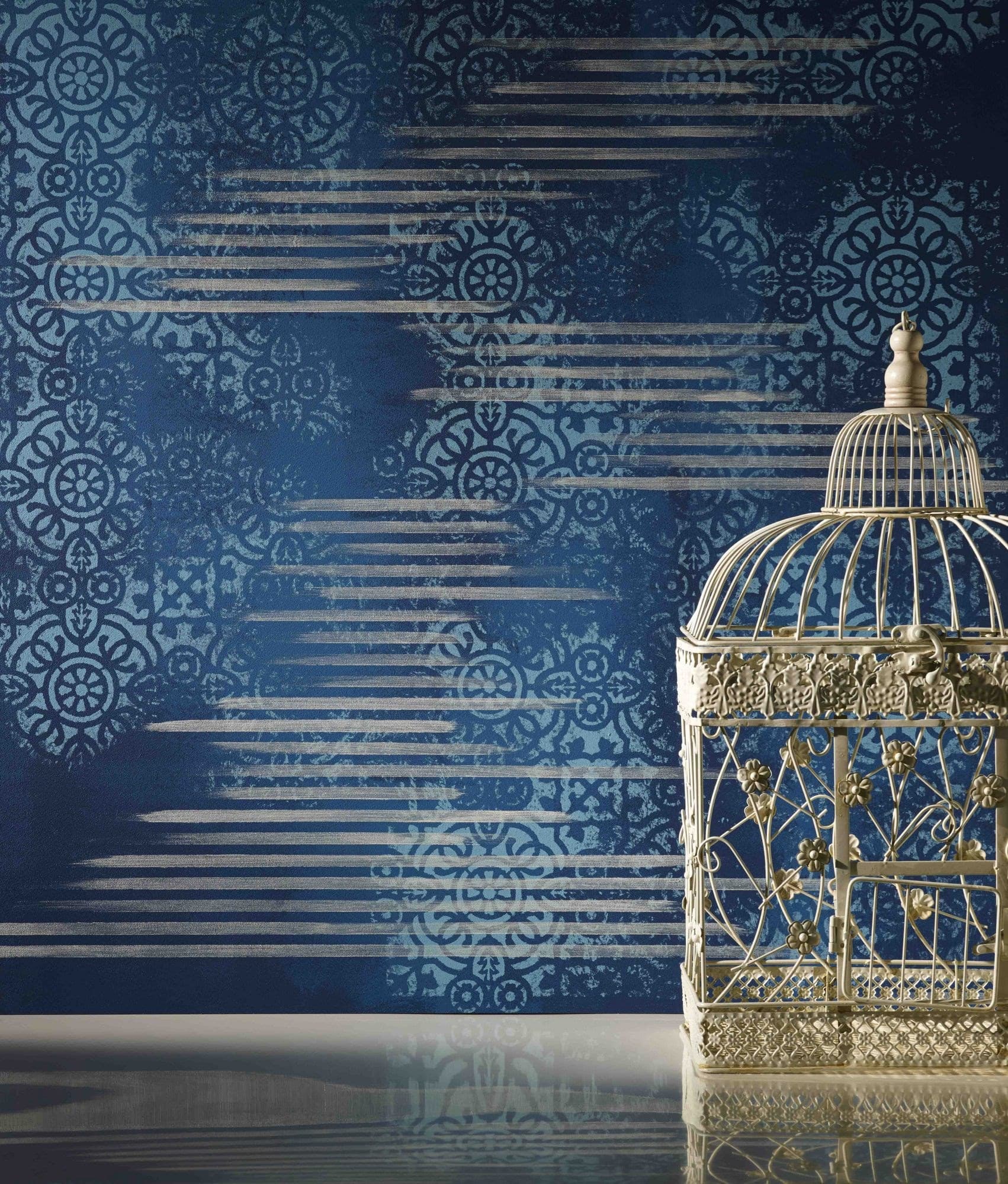
Woad blue (Isatis tinctoria) is rediscovered after 4 centuries and now returns to use.
0
0