ZYPHO
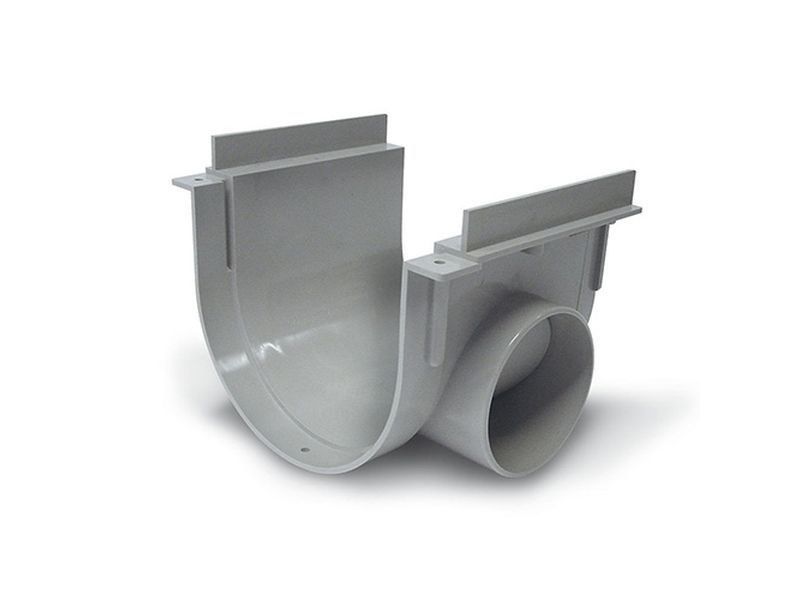
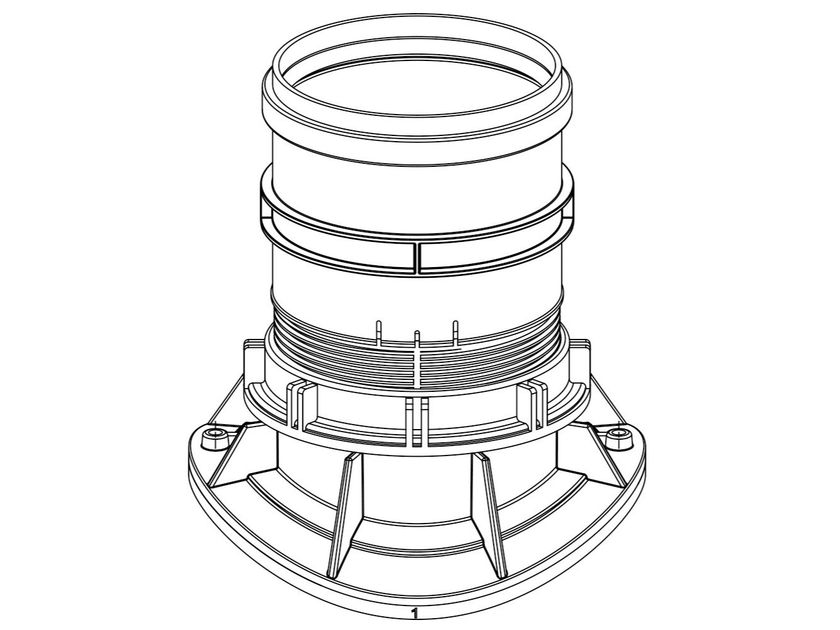
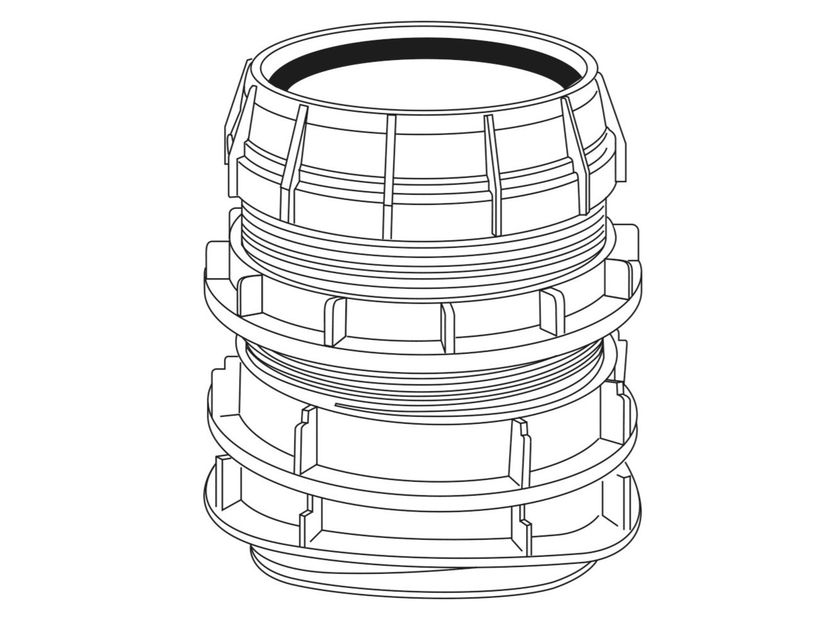
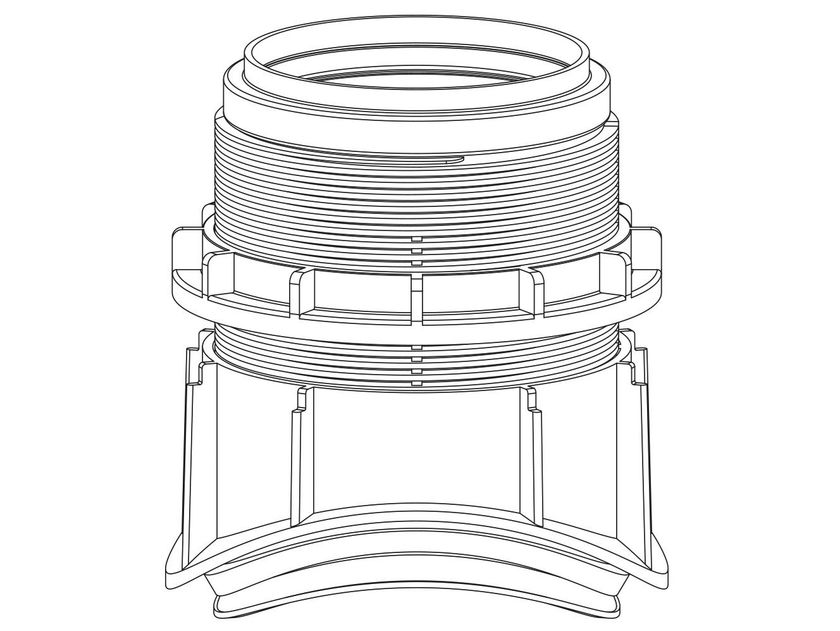
ZYPHO is a heat recovery unit for domestic hot water drains.
ZYPHO reduces energy consumption for hot water production by up to 20 per cent and contributes to the energy classification of the building.
The recent European directive on green homes, approved last March, includes constraints on new buildings, both public and private, which from 2030, and from 2028 for public buildings, must be zero-emission. Less binding will be the targets on existing buildings where energy consumption will have to be reduced by 16% for those with the worst energy performance, again by 2030, and by 20-22% by 2035.
The European Union member states will then be obliged to transpose this directive with the due characterisations at national level for the protection of cultural heritage and the necessary modifications for historical buildings on which our Superintendence of Cultural and Artistic Heritage places constraints that cannot be crossed.
The interventions that contribute most to the energy improvement of a building focus on reducing the building's thermal dispersion and on the use of high-efficiency energy production systems, both for heating and for the production of domestic hot water, that are powered by renewable sources (our legislation currently sets this constraint at 60% of the total energy required).
A recent study commissioned by the European Union on energy recovery opportunities for residential buildings 1, highlighted as a priority, for Italy, the use of systems linked to the recovery of heat from the hot water of sanitary discharges.
In light of these indications, Aliaxis has introduced in its new Building 2024 catalogue the Zypho range: heat recovery systems from shower drains, for both horizontal and vertical installations.
In particular, the range for horizontal installations features two models:
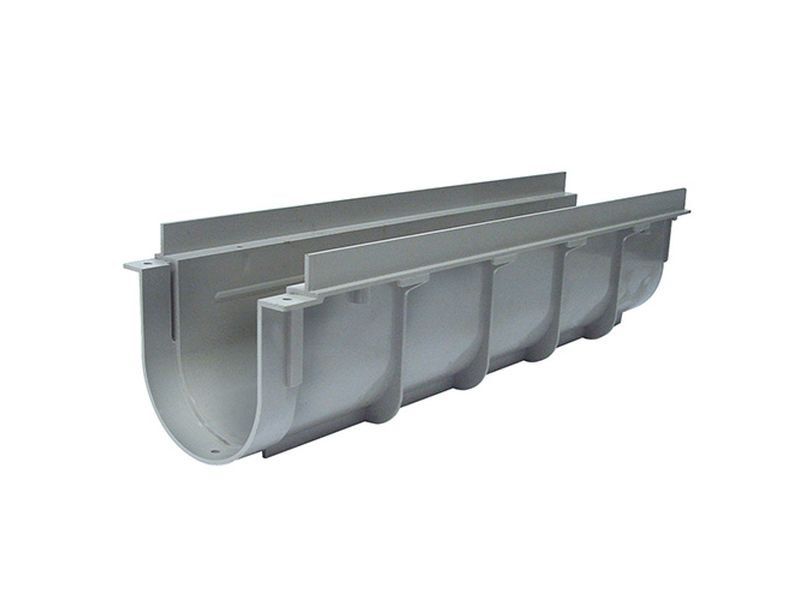
iZi 30
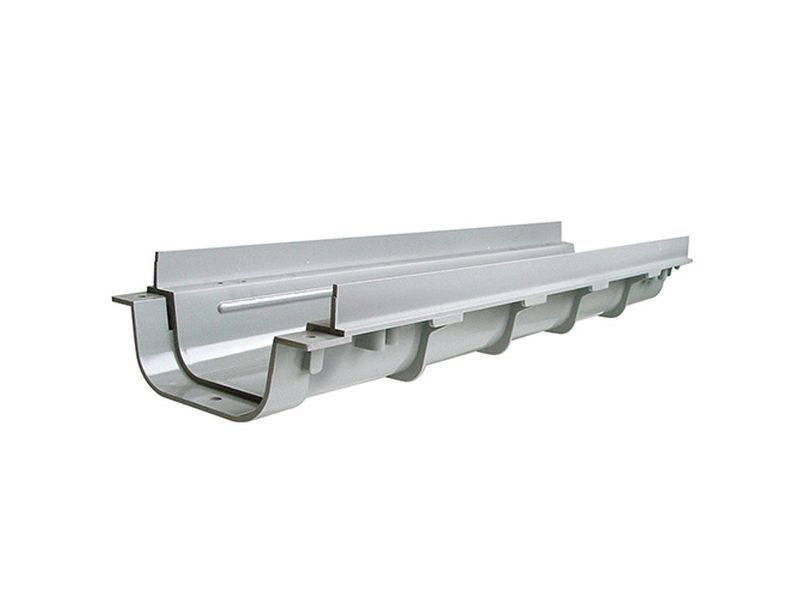
Slim 50
The operating principle of these products is very simple: inside Zypho, which connects to the shower drain with its own siphon, there is a heat exchanger, made entirely of double-walled copper, which during the use of the shower allows the recovery of the heat of the waste water, otherwise dispersed, by pre-heating the cold water which is then brought to the mixer: the exchanger has two inlet and outlet connections, precisely to allow this recovery.
This system, thanks precisely to the double-walled copper heat exchanger, allows this recovery to be carried out in total hygienic safety with no risk of contamination as the two fludges, supply water and shower drain, will never come into contact.
During the tests carried out at the Kiwa laboratories, it was possible to verify that already after the first twenty seconds there is an initial pre-heating of the cold water that can reach, considering the most efficient model, 26°C 2: the values of the recovery efficiency, for the different flow rates of supply/discharge water, were verified during these tests and reported in the respective data sheets.
The installation of Zypho inside the bathroom is also simple: just install Zypho near the shower tray during the installation of the drains and the adduction and then bury it directly in cement mortar, preliminarily verifying the seal for adduction and drainage before laying the screed to cover the systems.
The efficiency of the Zypho system is the fundamental parameter: this value can be used in the calculation foreseen by UNI-TS 11300-2, Appendix E, to determine the primary energy requirement for the production of domestic hot water and preliminarily verify the recovered energy, and consequently the energy saving, for the different building types.
Zypho can therefore contribute, up to even 50%, to the share of renewable energy that must always be guaranteed (60%) for all building interventions of new design or significant renovation allowing, in some cases, even the gain of an energy class.
Aliaxis, always attentive to the search for new solutions for sustainable building and environmental protection, will continue the development of the Zypho range with the aim of having versatile solutions for all building types.
1 European Commission Report - Technical assistance to assess the energy savings potentials at national and European level - Member State Annex Report - August 2021
2 Test carried out with the following parameters: cold water temperature at 10°C, shower temperature at 40°C, waste water temperature at 38°C.
0
0