Фасадные материалыECOSISM#ECOSISM#Structures#Loadbearing masonry#Formwork systems for load-bearing walls#Structural reinforcements, joints and dissipators
ECOSISM GENIALE CAPPOTTO SISMICO®
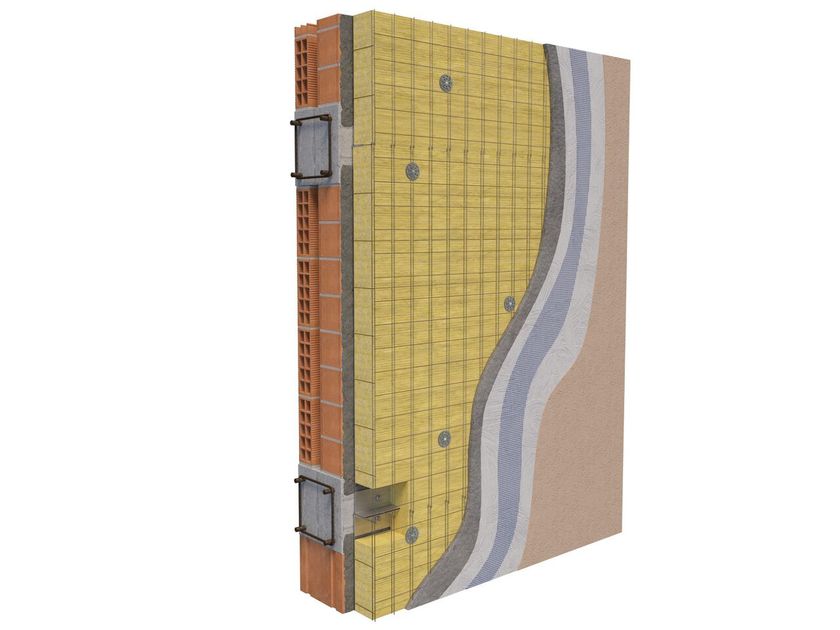
The ECOSISM® Seismic Coat is an innovative technological solution that, with a combined intervention that maximises the benefit/cost ratio, allows the seismic safety and energy efficiency of existing buildings according to current regulations.
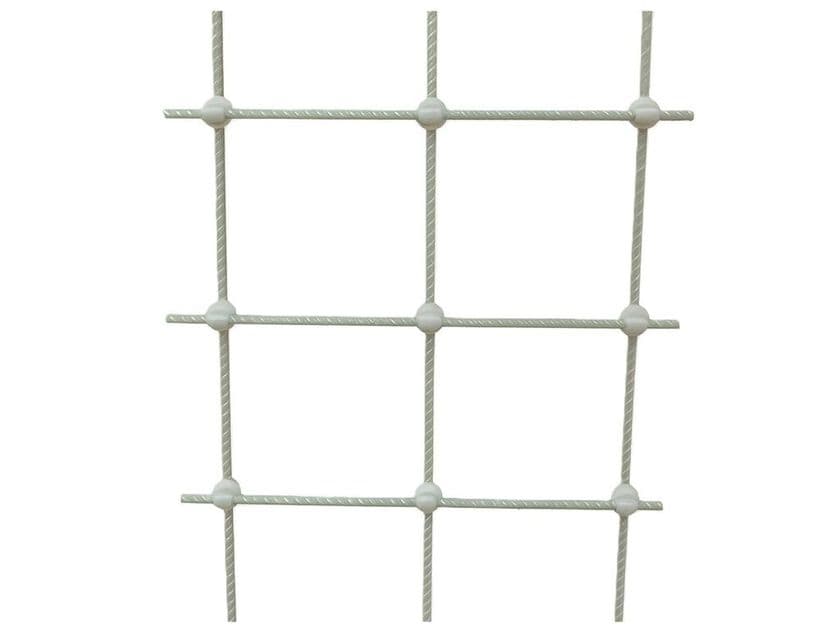
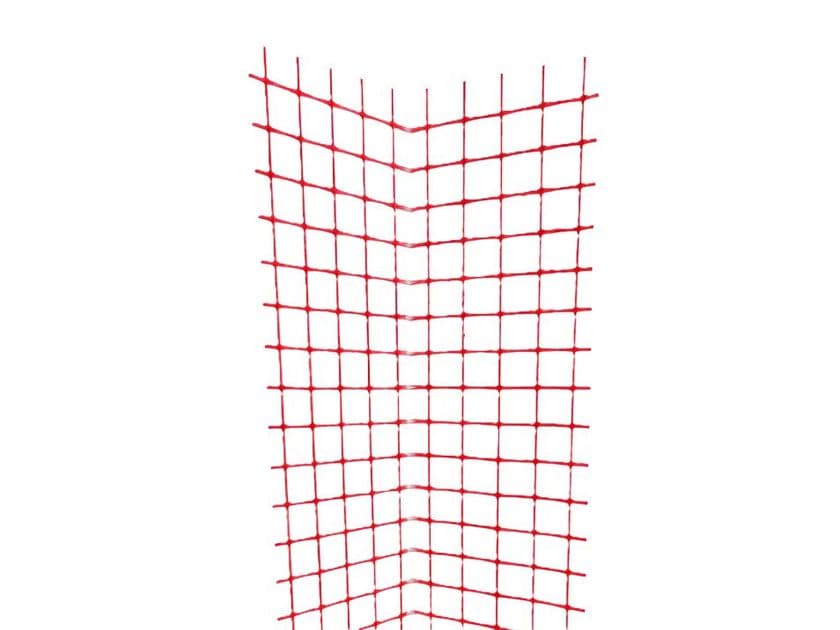
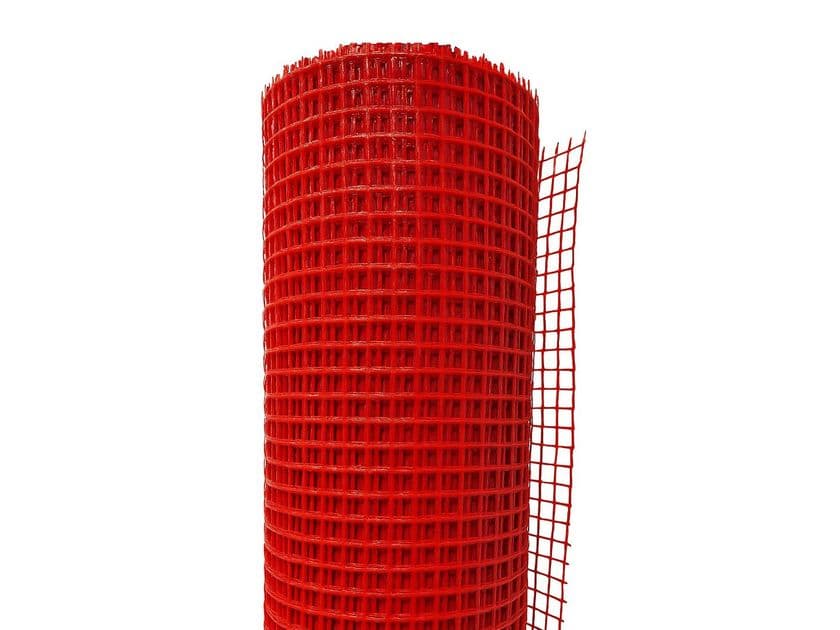
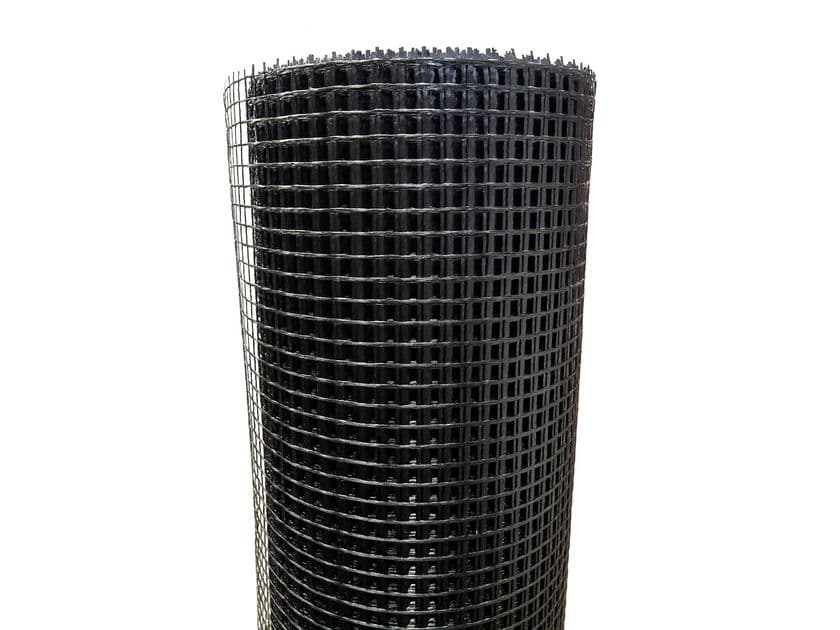
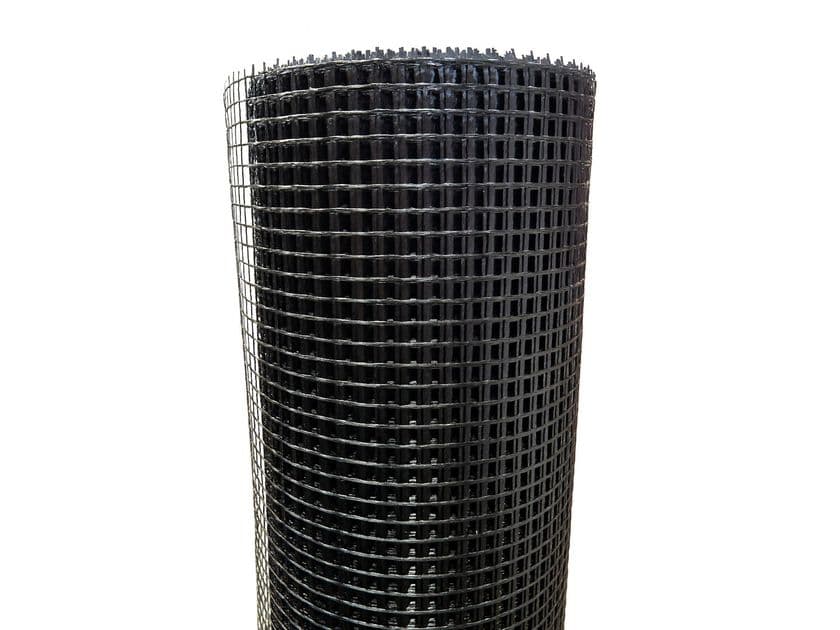
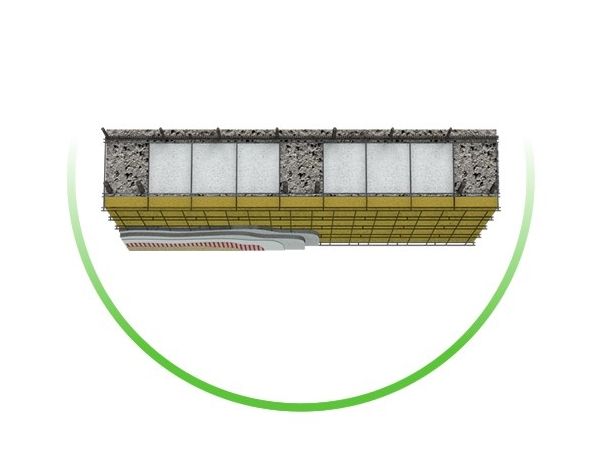
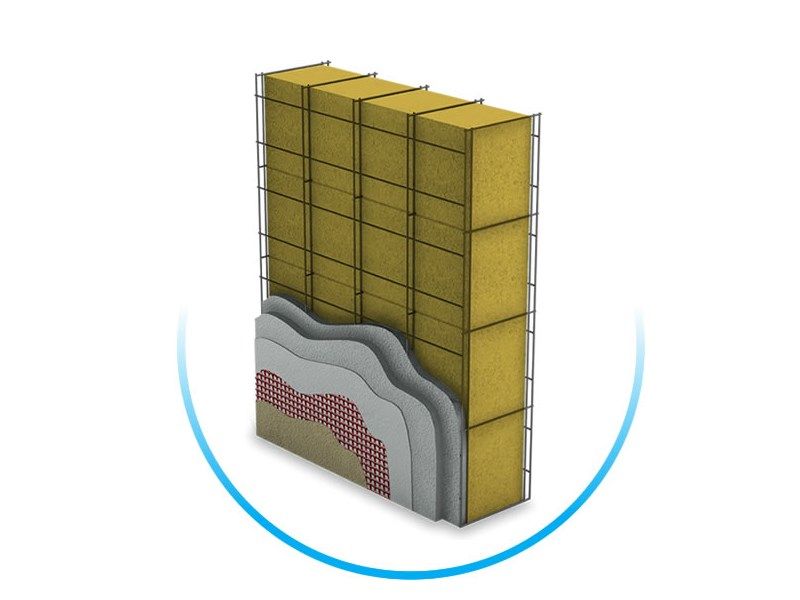
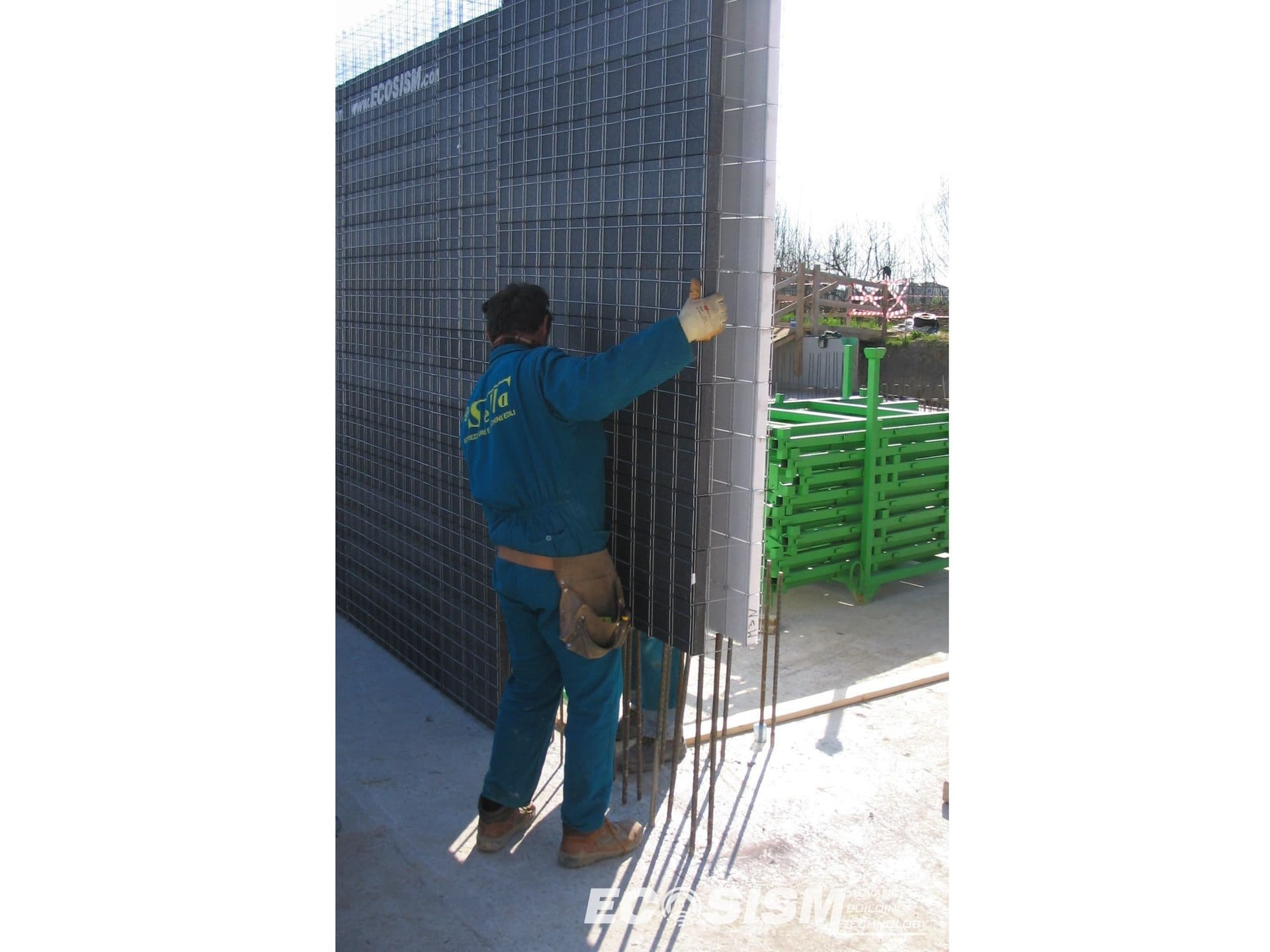
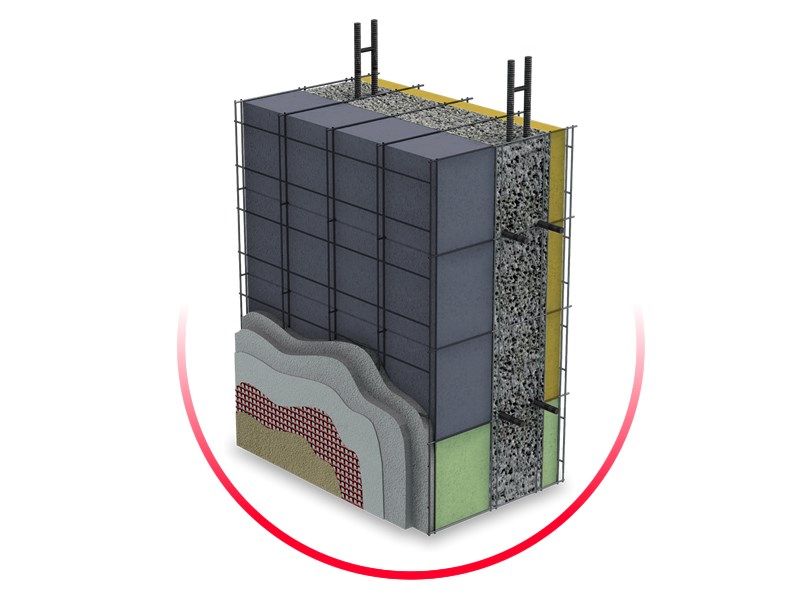
As its name suggests, the Seismic Coat, applied to the exterior of the building to create a new seismic-resistant 'skin', consists of a thin slab of reinforced concrete cast on site inside two layers of customisable insulating material. The casting, appropriately sized during the design phase, is made integral with the existing structure through the insertion of appropriate anchors which, placed at the level of the foundations and floor curbs, guarantee maximum collaboration between the new system and the structure itself. Thanks to the use of the galvanised steel mesh characteristic of ECOSISM®, the system is supplied with the insulation pre-assembled and with all the guides for the correct installation of the structural reinforcements, minimising site operations and waste. Furthermore, to improve the slab's bending behaviour and reduce the risk of out-of-plane instability, appropriate horizontal and vertical ribbing can be provided. Finally, as far as the external finish is concerned, thanks to the special conformation of the galvanised steel metal mesh, it is possible to create a particularly solid layer of traditional plaster that guarantees maximum protection of the insulating material against shocks and weather events.
The Seismic Coat can be designed for different levels of increased seismic and energy performance, depending on the thicknesses and materials used. Furthermore, by adopting specific products, such as rock wool, it is possible to guarantee an increase in the building's fire resistance.
The patent, validated through cyclic tests on full-scale samples, was conceived and developed in collaboration with the University of Padua.
0
0