Напольные покрытияMardegan Legno#Mardegan Legno#SOS School of Sustainability Foundation#Carlo Caire#SOSxMardegan Legno#Floor covering
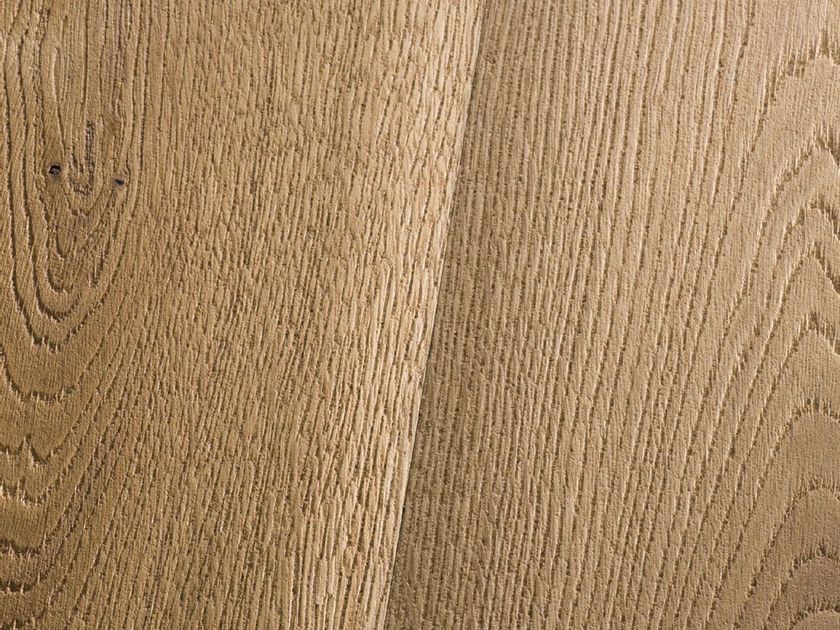
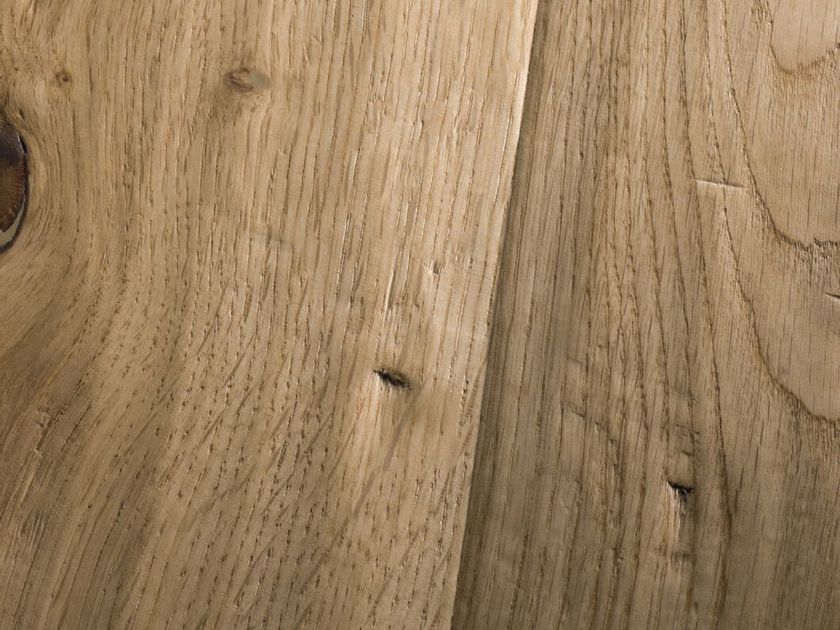
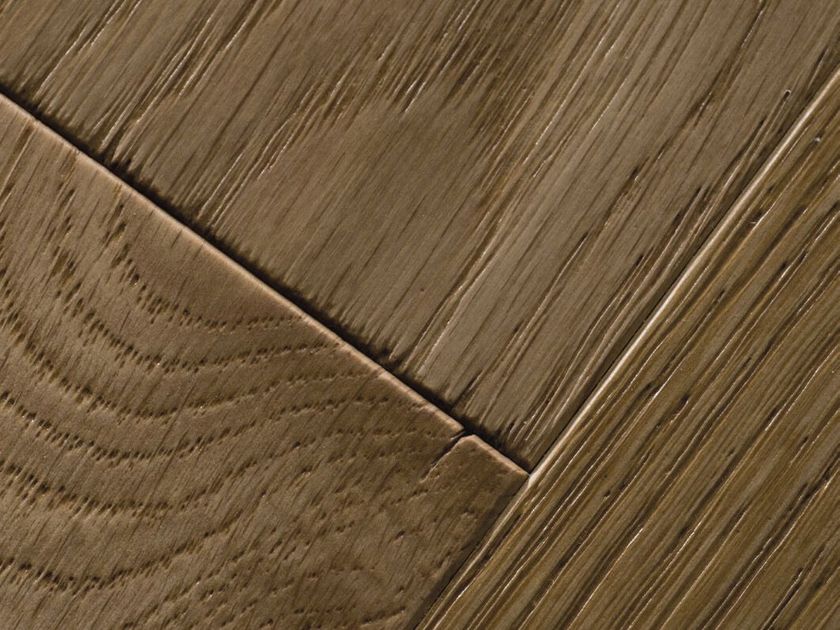
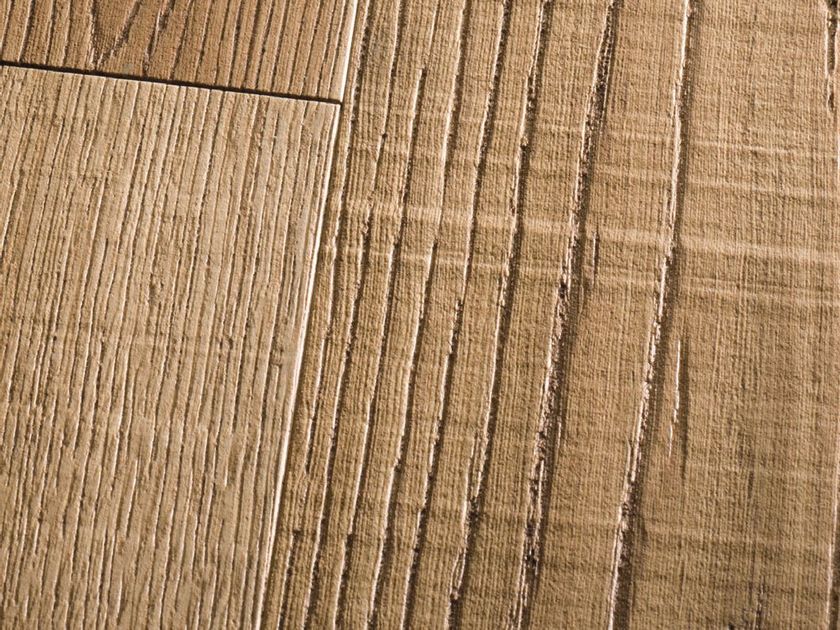
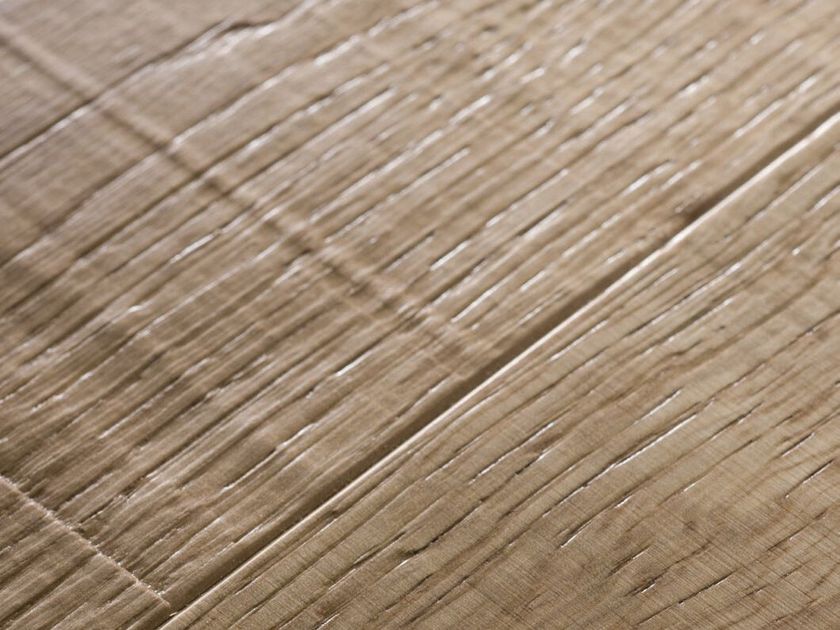
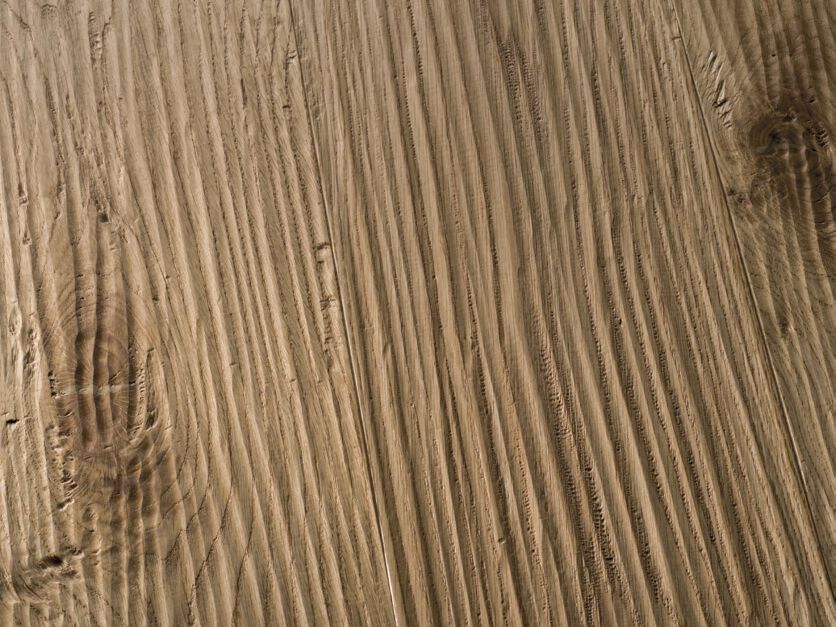
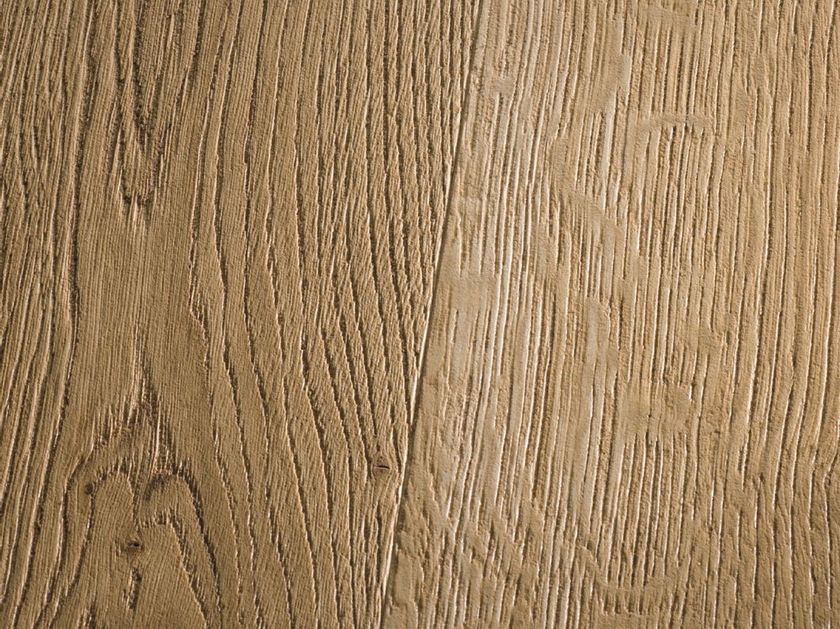
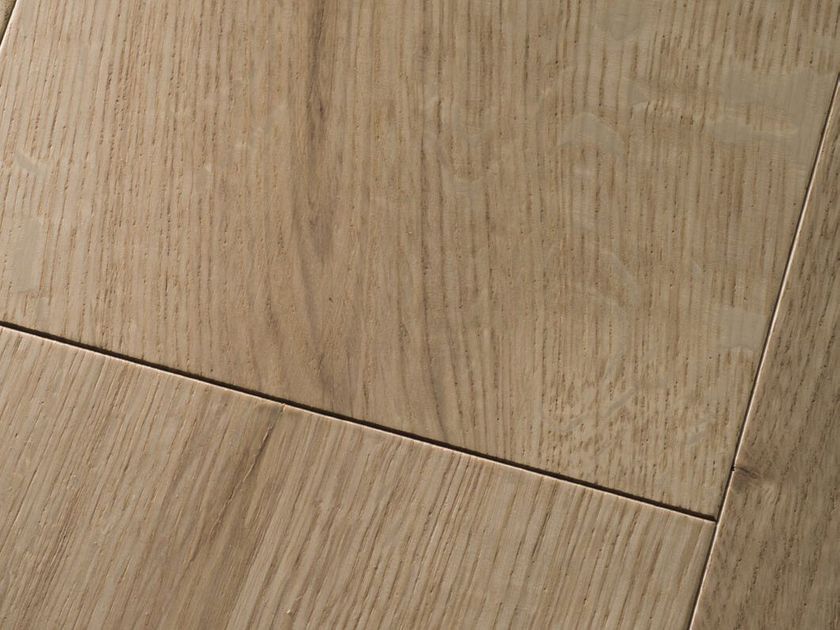
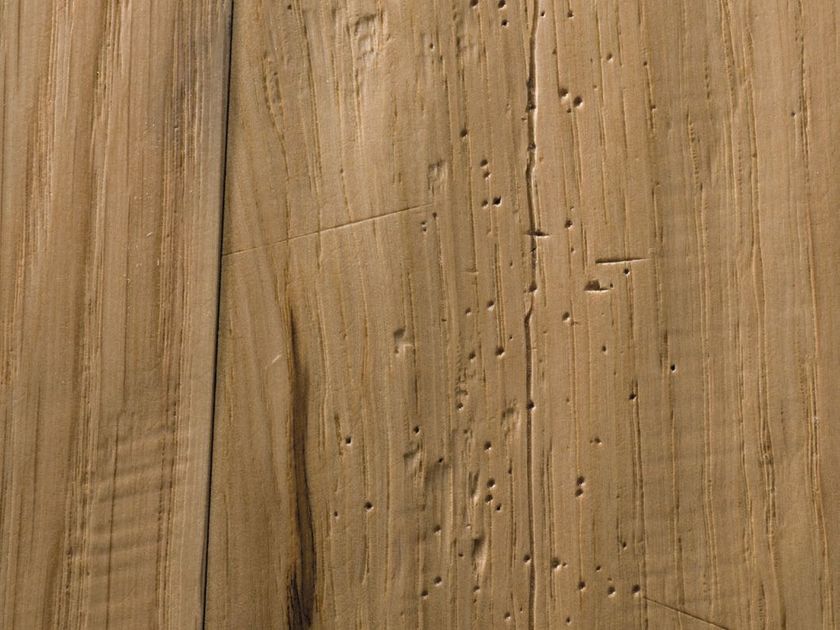
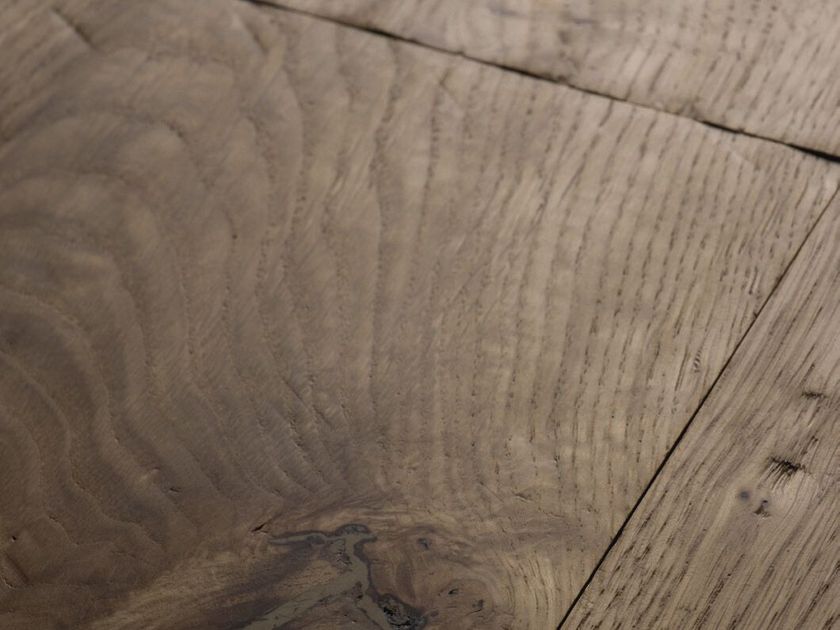
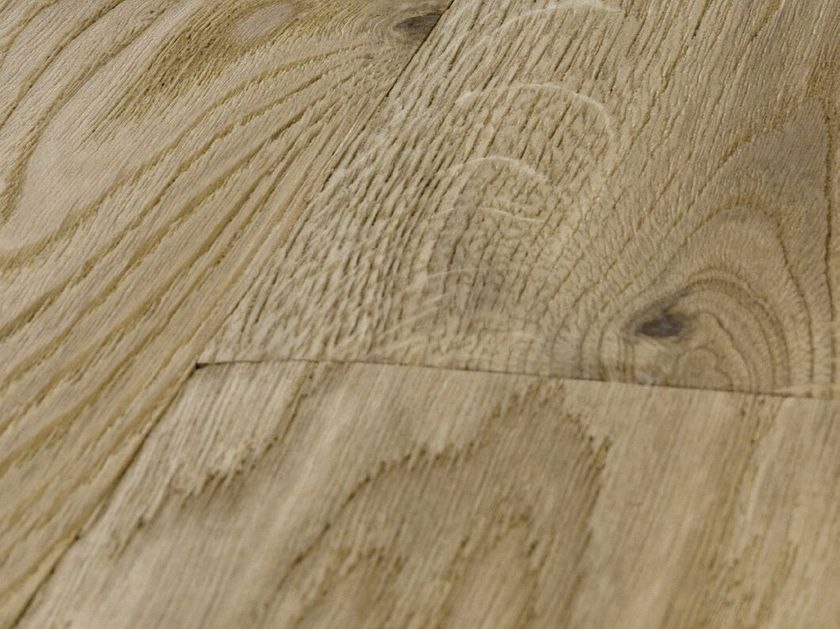
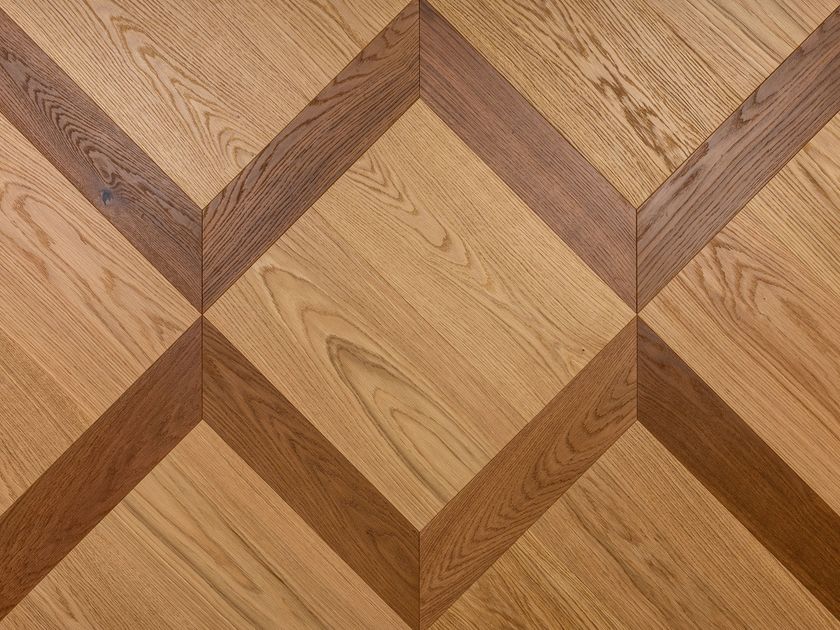
Mardegan Legno STRAMPELLI Wooden parquet
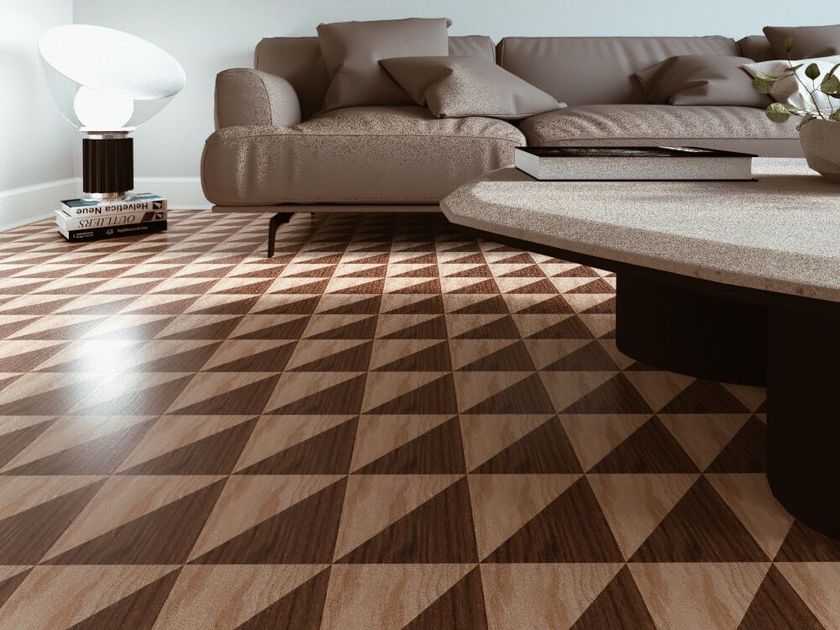
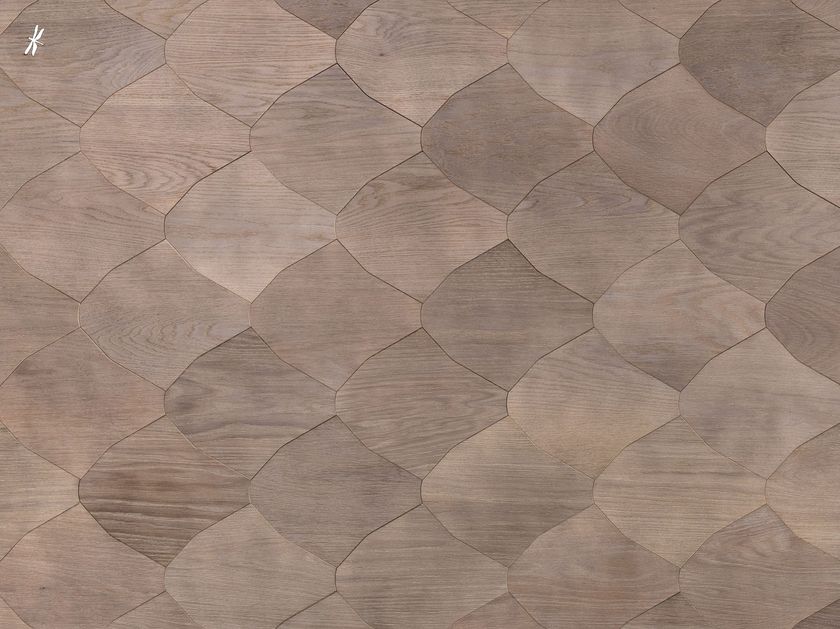
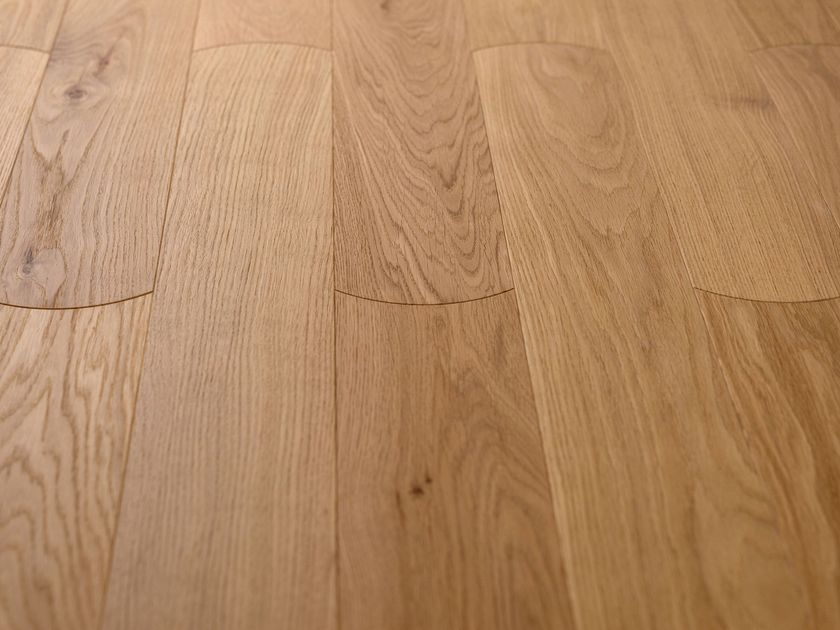
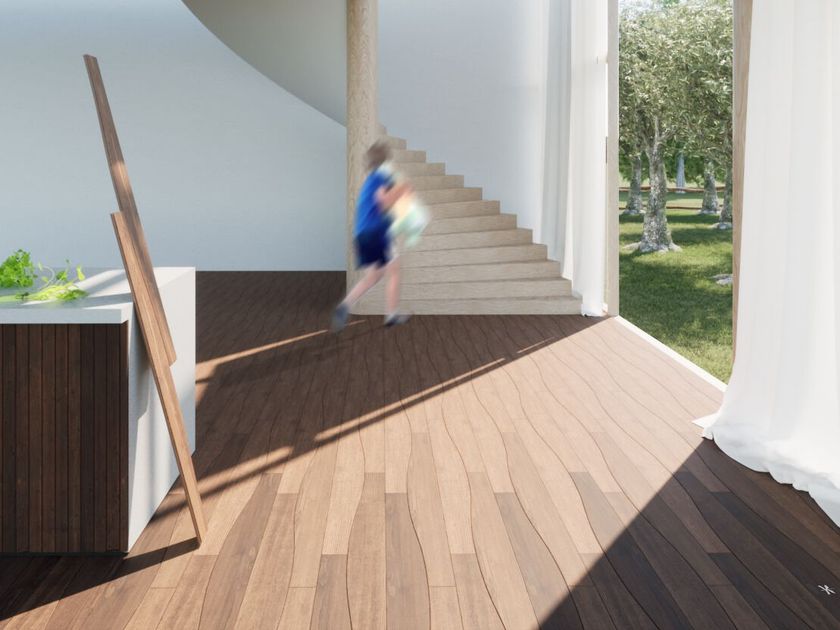
Strampelli by Carlo Caire is a wooden parquet by Mardegan Legno in collaboration with SOS School of Sustainability.
Within the sphere of agricultural production in the Veneto region, large crops have always played a prominent role, both economically and culturally.
The Strampelli Collection aims to highlight the importance of agriculture and natural materials, emphasizing how
experimentation and the combination of different characteristics are fundamental to creating a better product. The name of the Collection takes its cue from Professor Nazareno Strampelli, an expert agronomist and geneticist who, by combining different varieties of wheat, succeeded in creating new and better ones, increasing yields and making them more resistant to adverse weather conditions.
The Strampelli Collection combines wood and stone, two classic and natural materials, historically used in agriculture and beyond.
Their combination gives rise to a frame with a design inspired by ancient millstones.
An ECOTONE frame, a composite and recycled material by Qartzforms, encloses the 8 wooden sections, rotated 45° with respect to each other and positioned around the central stone, which generates a rotating effect of the wooden parts, alternating sensations of warmth and freshness
and giving unique tactile experiences.
The Strampelli Collection aims to give a sense of harmony and solidity to the room, enhancing its appearance and creating an atmosphere of luxury that does not, however, forget the importance of tradition and materials found in nature.
The idea of working together with SOS School of Sustainability, a post-graduate school founded in 2015 by Arch. Mario Cucinella, born from the desire of Mardegan Legno, to develop new collections that have as primary focus sustainability and environmental protection.
The collaboration marks an important moment in the research of Mardegan Legno, which combines creativity, innovation, craftsmanship and environmental sustainability in a highly professional educational and educational context.
The result are 10 different collections, developed by young emerging designers who combine the most modern design trends with the careful and conscious use of raw materials, a unique opportunity to combine creativity and innovation with environmental sustainability.
0
0