ТеплоизоляцияNeopor® by BASF#Neopor® by BASF#Insulation#Loose insulating materials#Loose polymer insulation#Construction
Neopor® от BASF
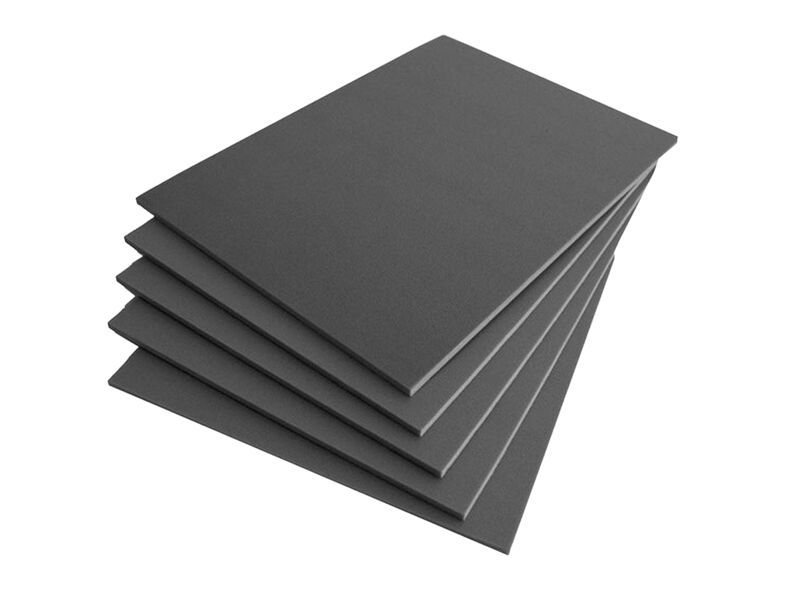
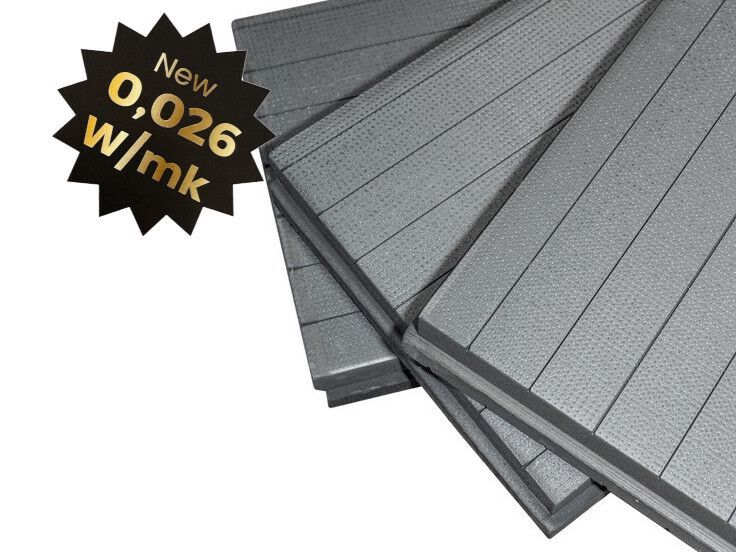
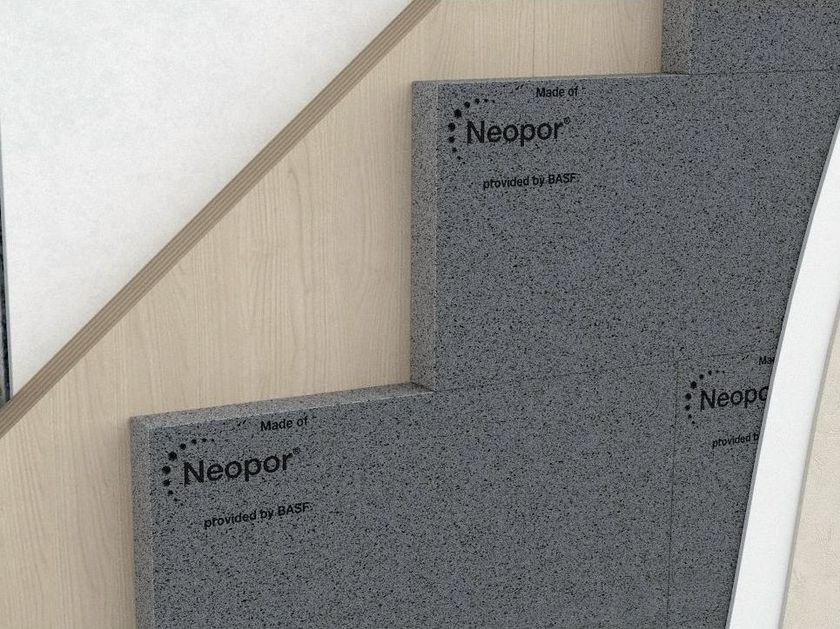
Neopor® is the latest generation of expandable polystyrene produced by BASF for the production of insulation materials with multiple applications, guaranteeing high performance, maximum energy saving and excellent living comfort.
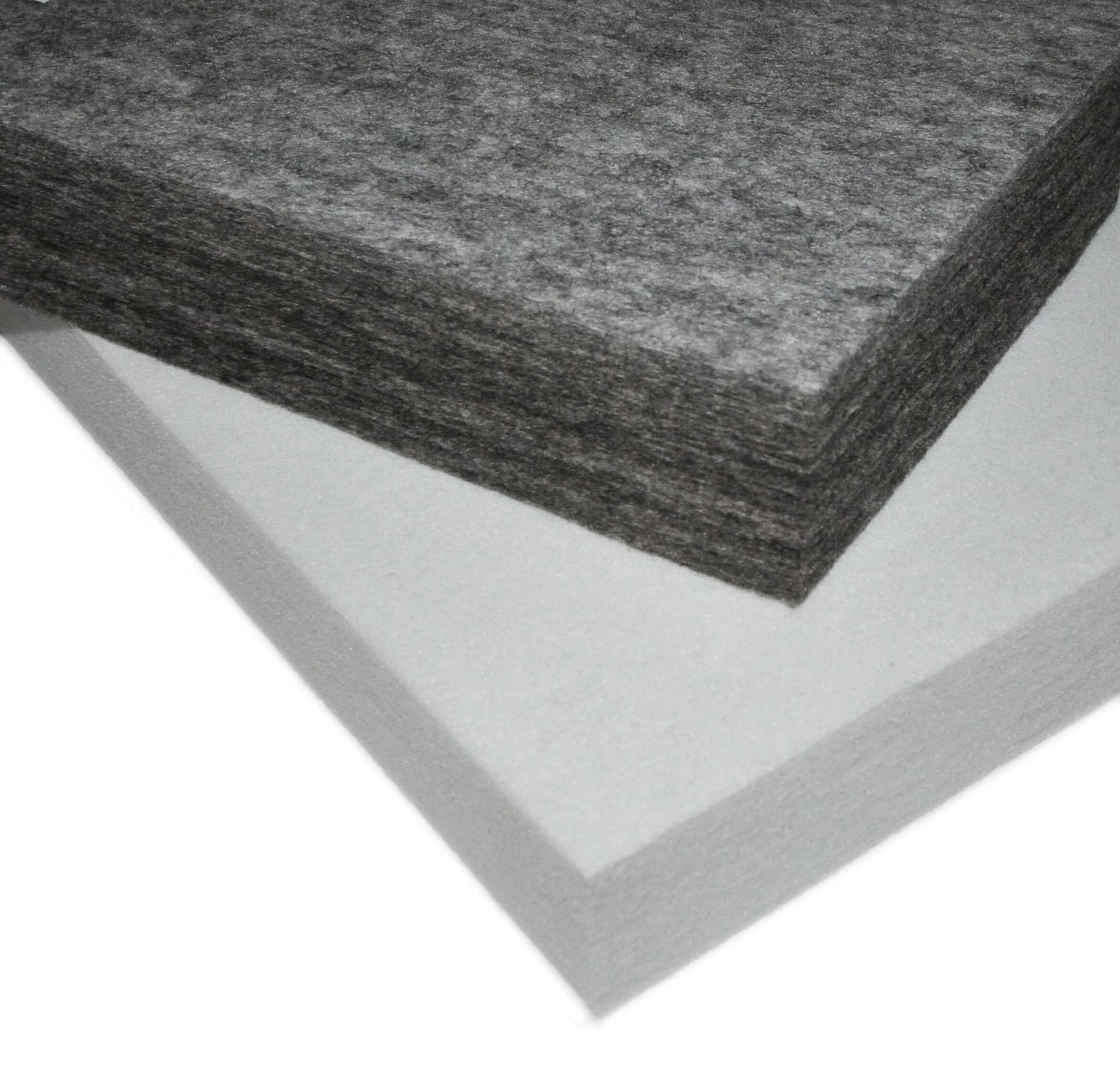
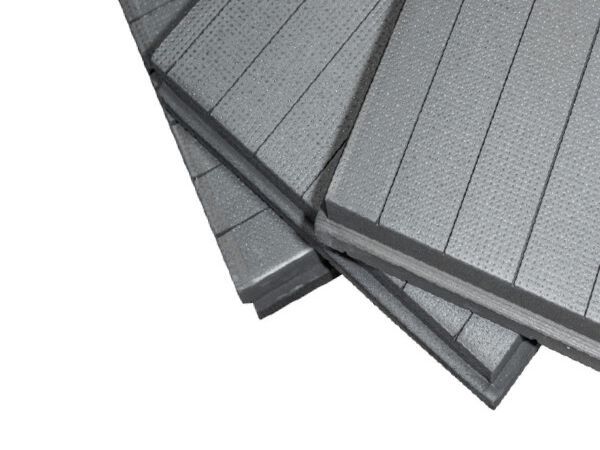
Thanks to the presence of graphite particles - which give it its characteristic silver-grey colour - the raw material Neopor® guarantees exceptional thermal insulation values, offering an insulating capacity that is almost 20% better than traditional EPS.
These particles make it possible to absorb and reflect infrared rays, neutralising the effect of heat radiation that would negatively affect thermal conductivity.
NEOPOR® PEARLS ARE PROCESSED BY PARTNER TRANSFORMERS TO BECOME USABLE INSULATING PRODUCTS FOR ALL TYPES OF INSULATION REQUIRED BY A BUILDING.
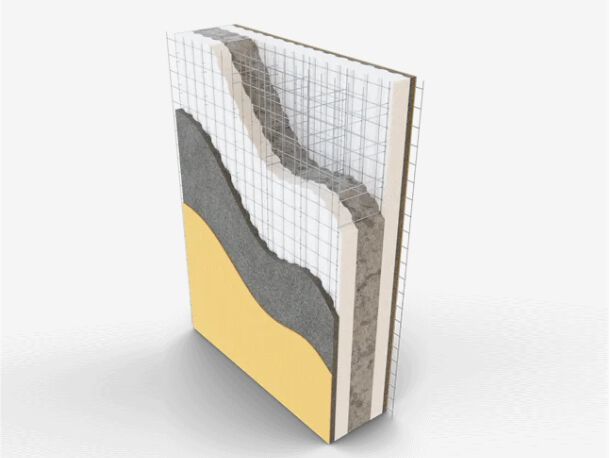
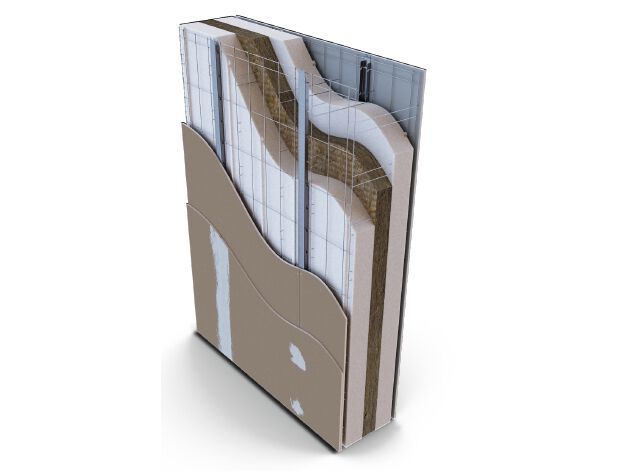
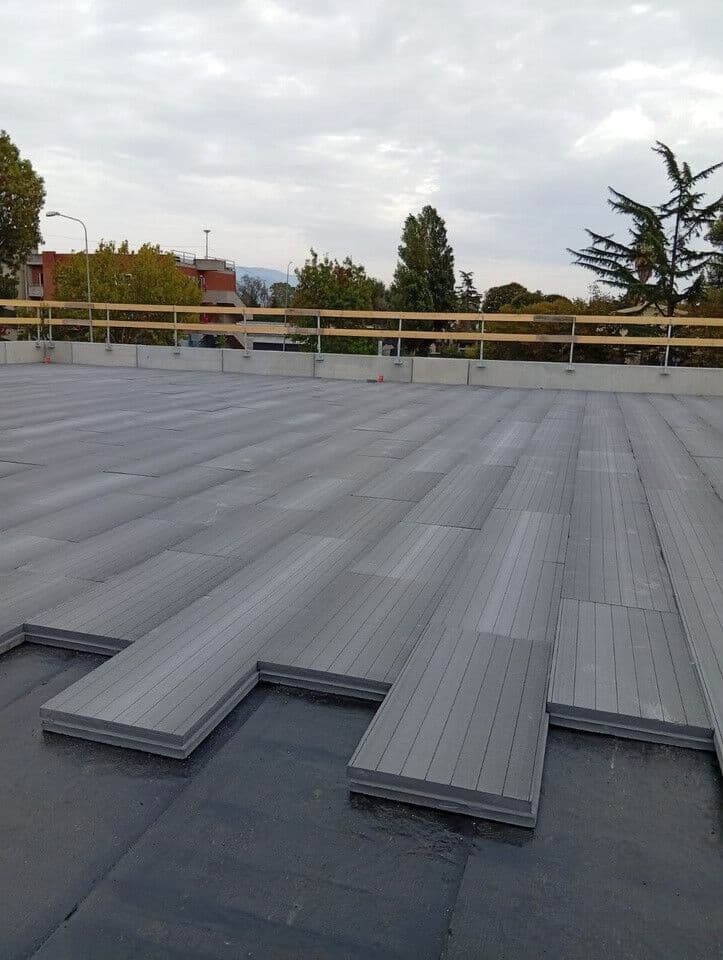
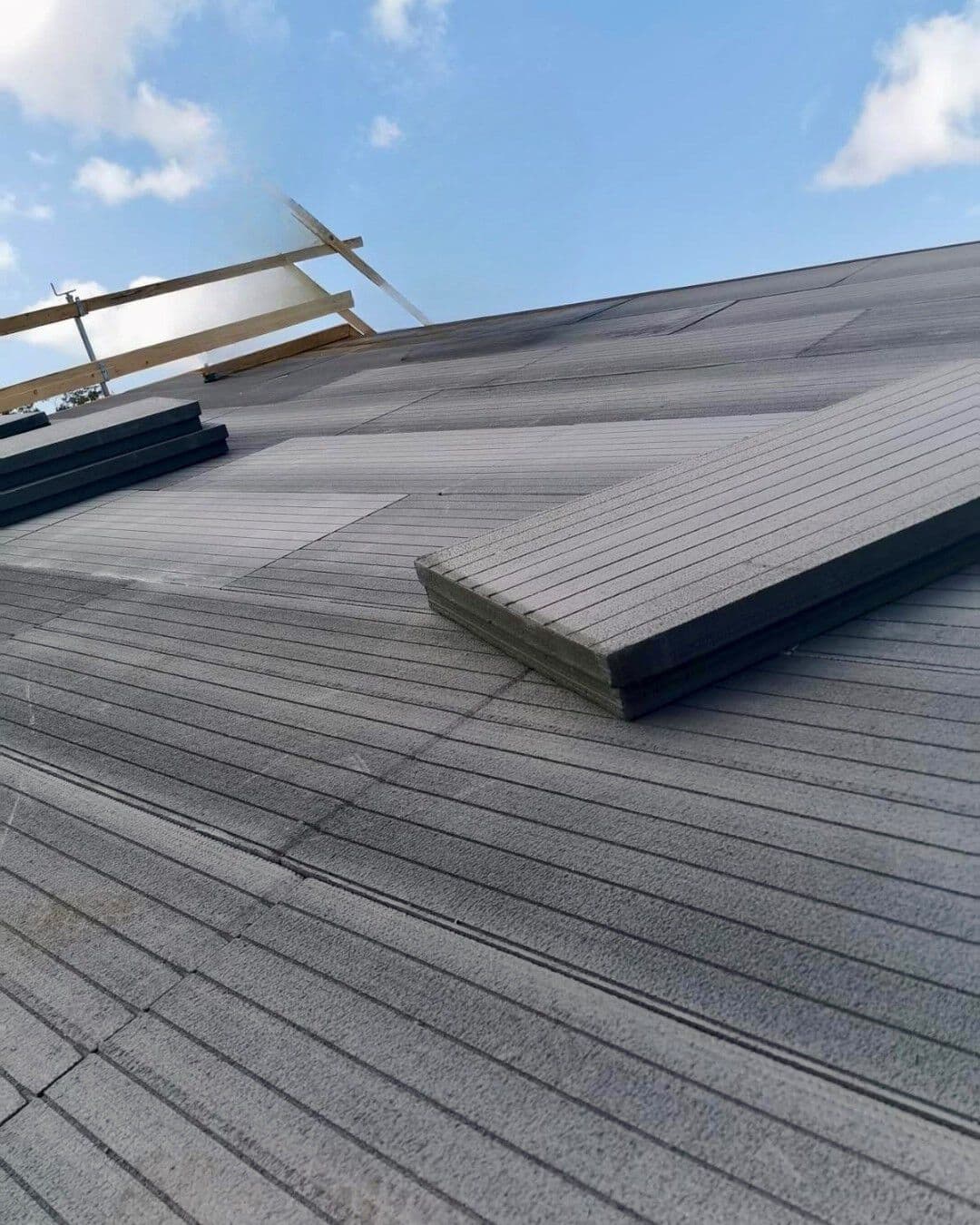
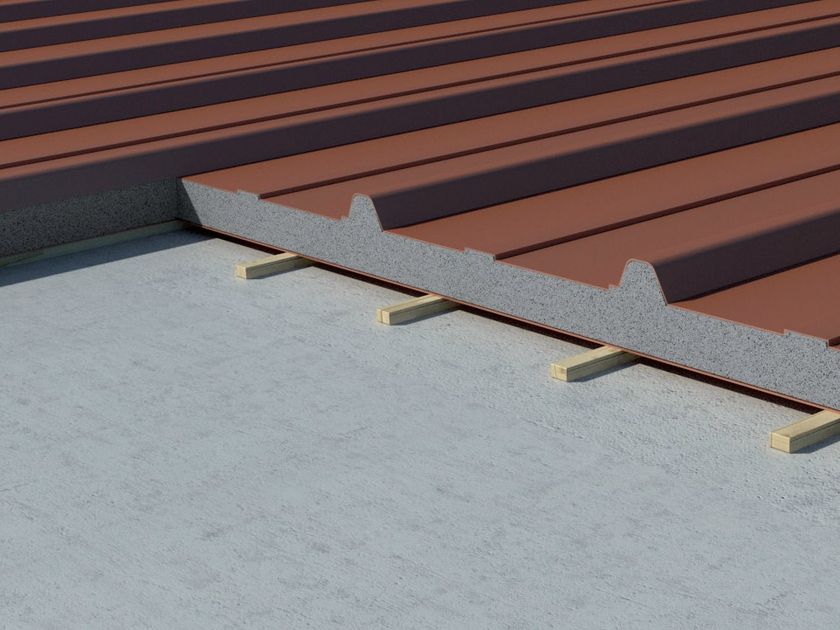
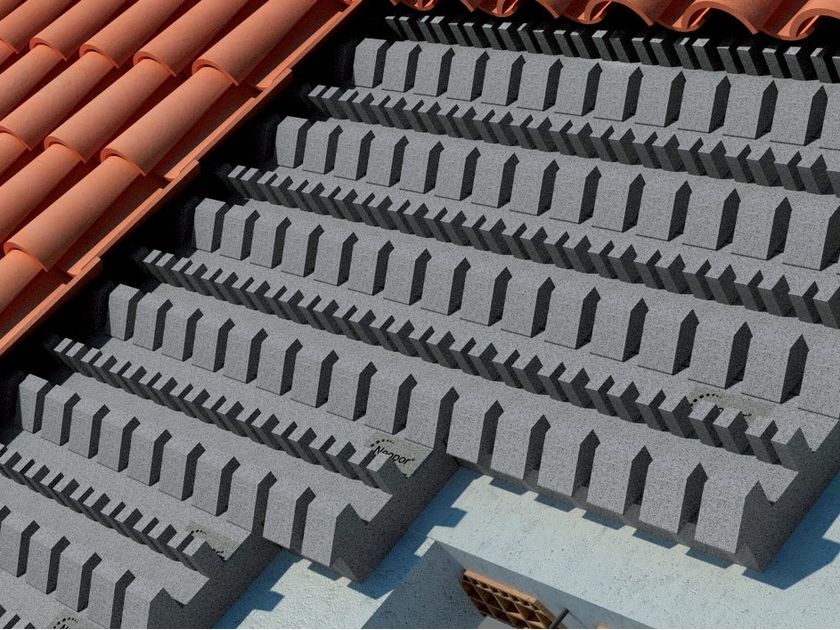
Versatility and their own characteristics make Neopor® products ideal thermal insulators in all building sectors: external wall insulation (cladding); cavity insulation; roof insulation; internal wall insulation (counter-laminating).
A flexibility that, combined with careful and judicious design, allows for high thermal protection and the achievement of new goals, all the way to 'Energy House 0'.
In new construction and redevelopment projects, Neopor® insulation materials can be used to achieve a level of thermal insulation that increases and improves the sustainability of the building and consolidates its economic value for a long time to come.
PHYSICAL CHARACTERISTICS
The thermal conductivity of the Neopor® sheet - with a density of 15 kg/m3 - is almost 20% better than that of a traditional EPS sheet.
The advantages of low conductivity values are many and immediately evident: less thickness for the same insulating performance, less consumption of raw materials, less waste of resources.
All in favour of energy saving, economic savings and environmental sustainability.
THE LCA (LIFE CYCLE ASSESSMENT) SHOWS THAT NEOPOR® THERMAL INSULATION COMBINES HIGH THERMAL PERFORMANCE WITH LOW ENVIRONMENTAL IMPACT.
Neopor® products are characterised by a very low use of energy for production and consumption of environmental resources, especially in comparison with other insulation materials of different origin.
This is possible because it is not the consumption of raw materials that determines the highest environmental impact, but rather the production process, logistics and end-of-life phase.
Two of the most important phases included in the LCA are:
Production phase:
the energy used is substantially derived from non-renewable raw materials.
The amount of energy used in the production of Neopor® is negligible compared to that consumed in industrial processes for the production of any other type of insulation.
Recovery phase:
Neopor® can be fully recovered and up to 100% recycled. Waste-to-energy allows the recovery of large amounts of energy and reduces harmful emissions potentially resulting from alternative energy production.
LCA analysis for Neopor® sheets - values per unit volume (m3)
Source: Environmental Product Declaration, (ISO 14025), EUMEPS 2011
ADVANTAGES IN CONSTRUCTION
IN ADDITION TO THEIR HIGH THERMAL PERFORMANCE, NEOPOR® PRODUCTS OFFER MULTIPLE BENEFITS.
Versatility
For all those situations where buildings need to be insulated with limited thicknesses, such as the renovation of existing buildings, Neopor® sheets with thinner thicknesses can be used, equalling the same insulating performance offered by traditional EPS with greater thicknesses.
Durability
Resistance to ageing and rotting phenomena makes Neopor® insulation products stable, durable and capable of maintaining their properties.
Vapour permeability
Neopor® products are vapour permeable and provide high breathability.
Manageability
Neopor® insulation boards are lightweight and easy to handle and install.
Workability
Neopor® products are easy to cut and shape and do not cause annoying glare when exposed to sunlight.
No dispersion of residues
The processing of Neopor® products and their use does not cause the release of dust or fibrous particles that are harmful to health.
Reaction to fire
Neopor® insulation materials are produced in accordance with the requirements of the European standard UNI EN 13163 and are in fire reaction class E according to DIN EN 13501-1.
Environmentally friendly
The production of Neopor® products requires less raw material with clear advantages in terms of reduced environmental impact and eco-efficiency.
Recyclability
Neopor® materials can be fully recovered and up to 100% recycled.
Further info from manufacturer on Neopor® Neopor® by BASF
68
0