Phantom Hands FOLDING SCREEN Teak and linen Screen
In the late 1950s, Pierre Jeanneret designed a number of furniture pieces for the University of Punjab, as well as for various administrative buildings in Chandigarh. One of these pieces was a three-panel folding screen in teak, which, depending on the setting and the materials available, Jeanneret had panelled in leather, linen, or moleskin. Though the screen mirrored the grid structure seen in many of Chandigarh’s public buildings, the frames have a hint of the trapezoidal ‘compass-leg’ shape seen in Jeanneret’s Chandigarh suite of chairs and tables.
This re-edition of the three-panel FOLDING SCREEN is made of teak and 100% linen, with brass railway hinges. The subtly textured linen panels in two shades of grey add a sense of depth to the piece. The fabrics seen in this piece are from our Amkunj collection by Zanav, but can also be customised with any fabrics from within the Andaman or Amkunj family (see below for colour options), or with COM (Customer’s Own Fabric).
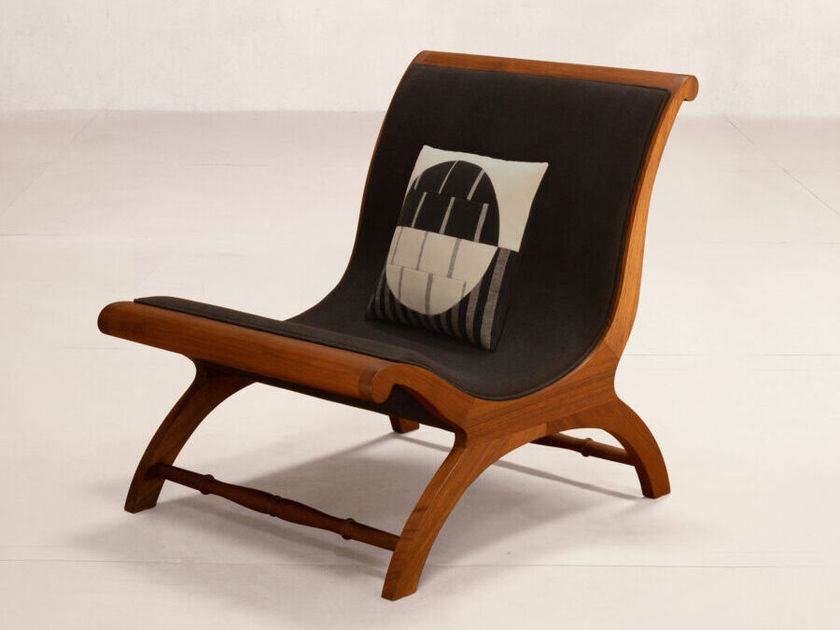
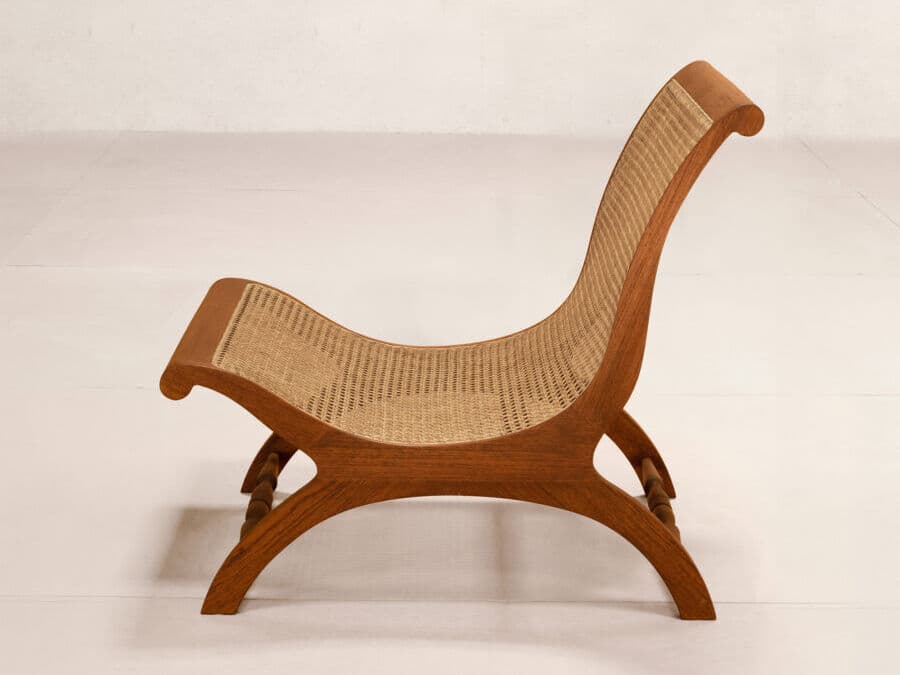
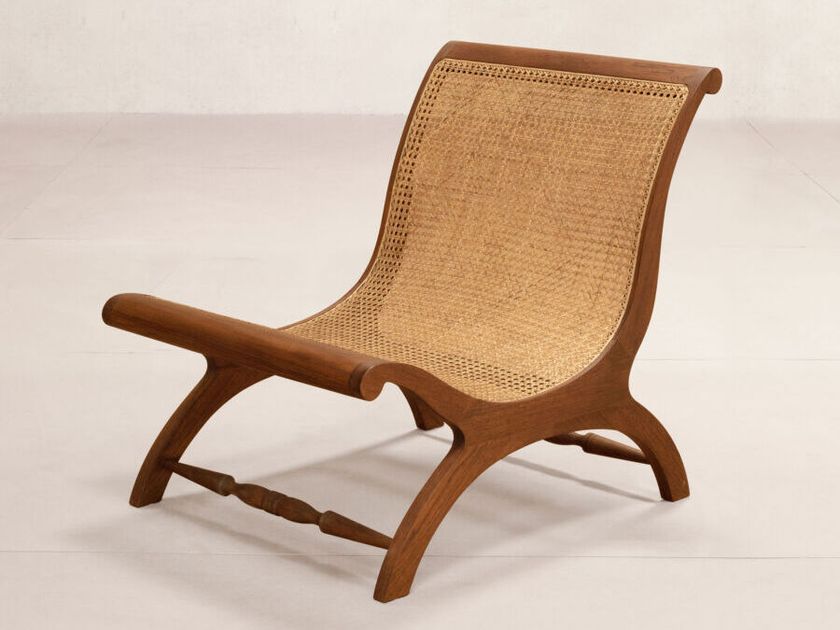
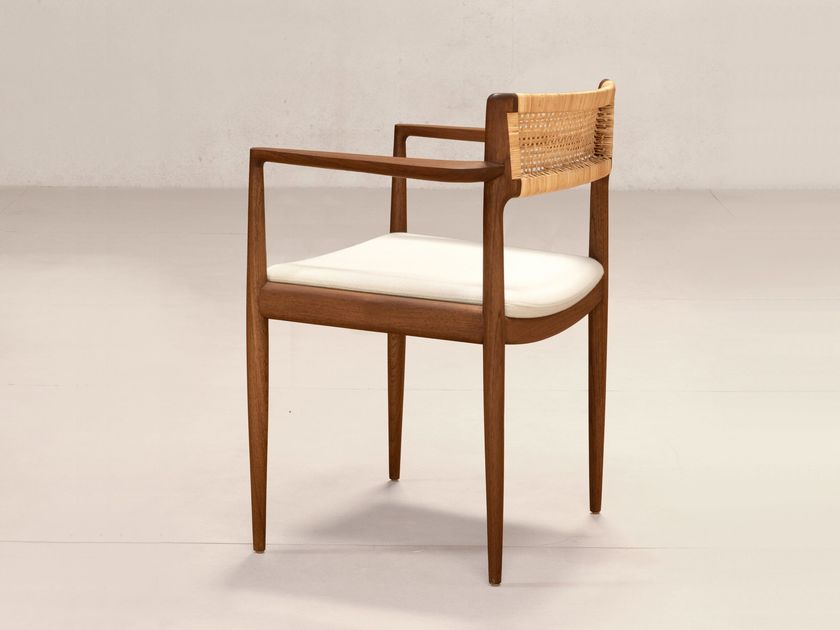
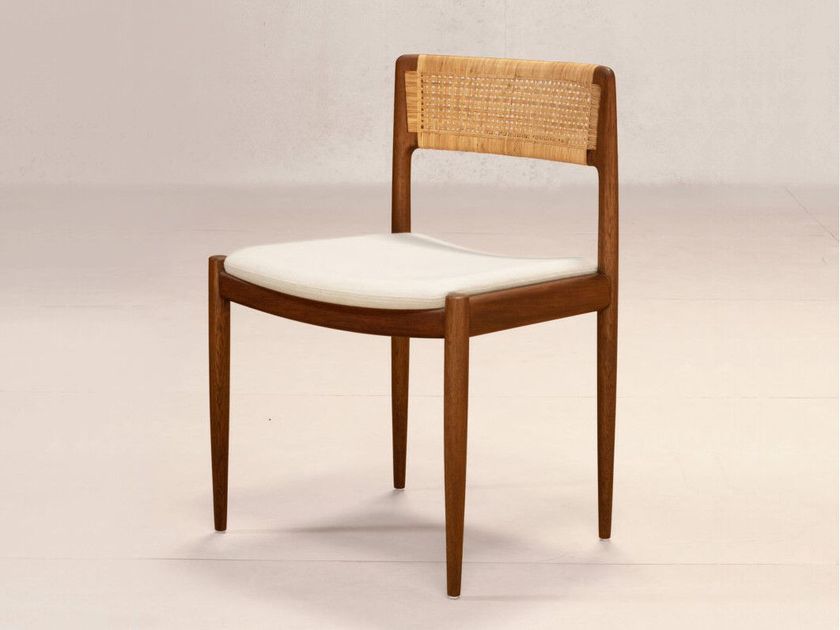
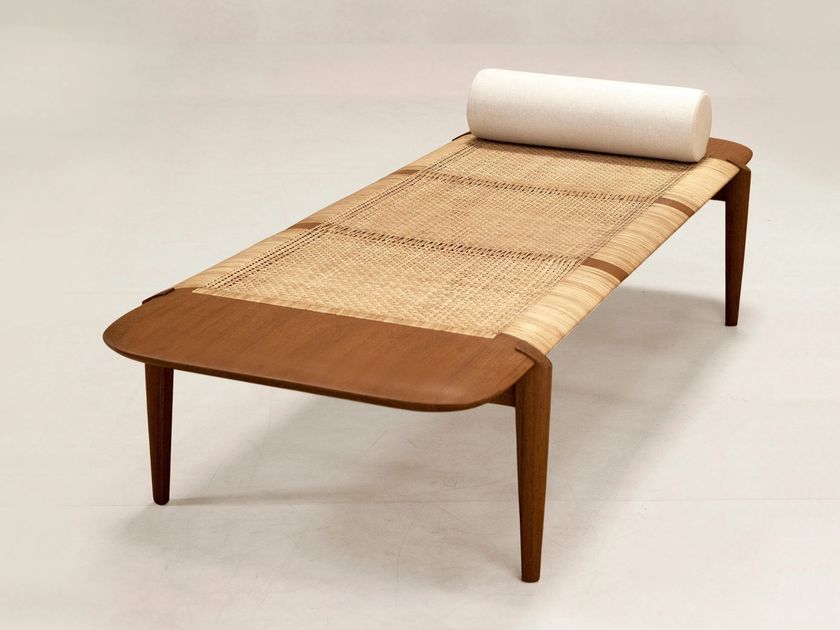
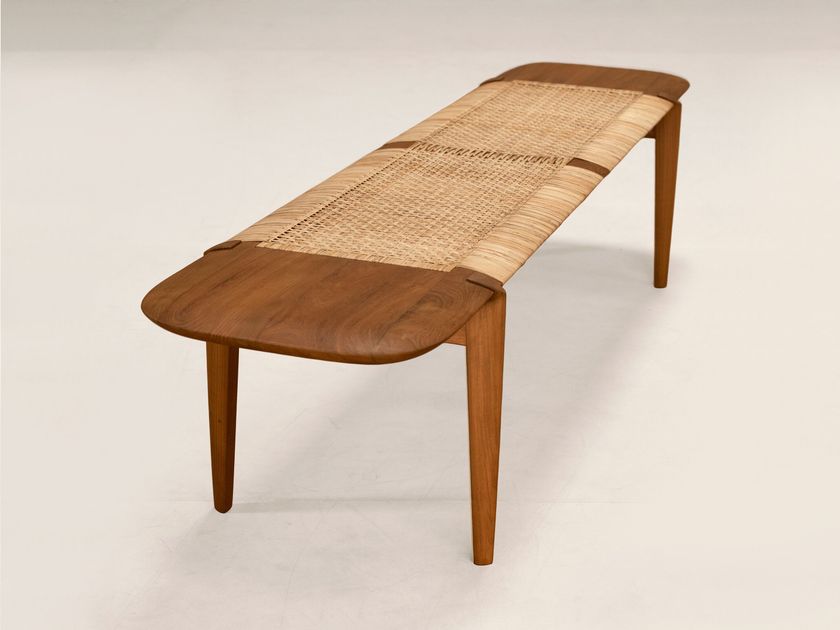
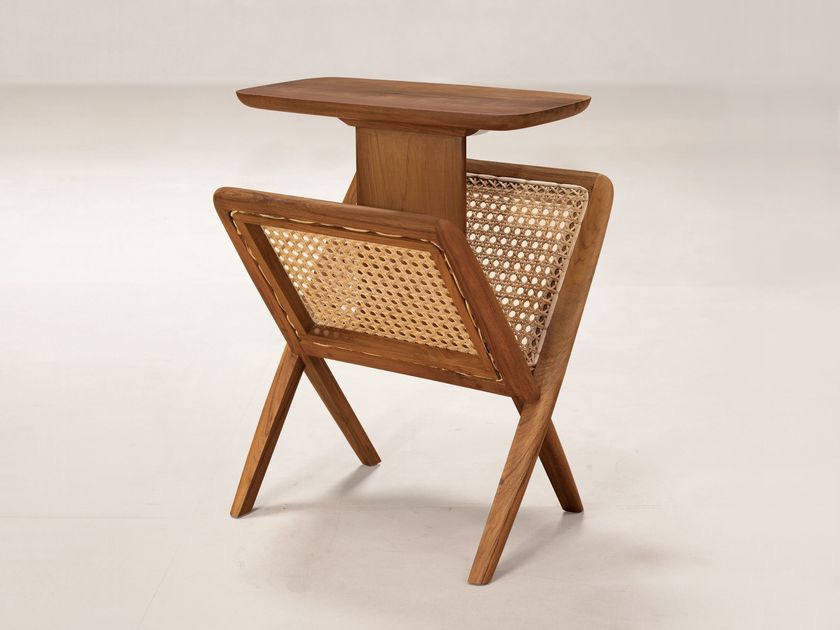
Project Chandigarh is our homage to Indian Modernism, a style and philosophy of making that manifested in Chandigarh in the 1950s. Our re-editions's of these mid-century designs use the same craftsmanship and philosophy of making that was used for three decades in Chandigarh. The nuances and details that make these designs special – finger joints, curvatures, grooves – are retained while improving the pieces structurally and materially. The natural rattan cane used for the seats and backs are peeled and woven by hand, by highly skilled weavers just like in the vintage pieces.
Further info from manufacturer on FOLDING SCREEN Phantom Hands
1
0