PILKINGTON ITALIA#PILKINGTON ITALIA#Doors and windows#Architectural glasses#Insulating glass and double glazing#glass
PILKINGTON ITALIA Pilkington Optitherm™ S3 Insulated low-e glass with magnetron coating
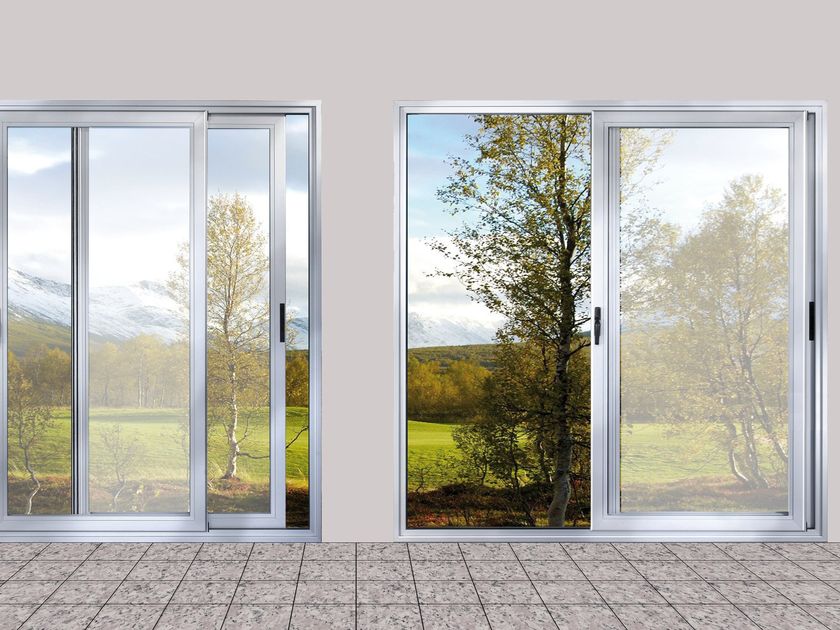
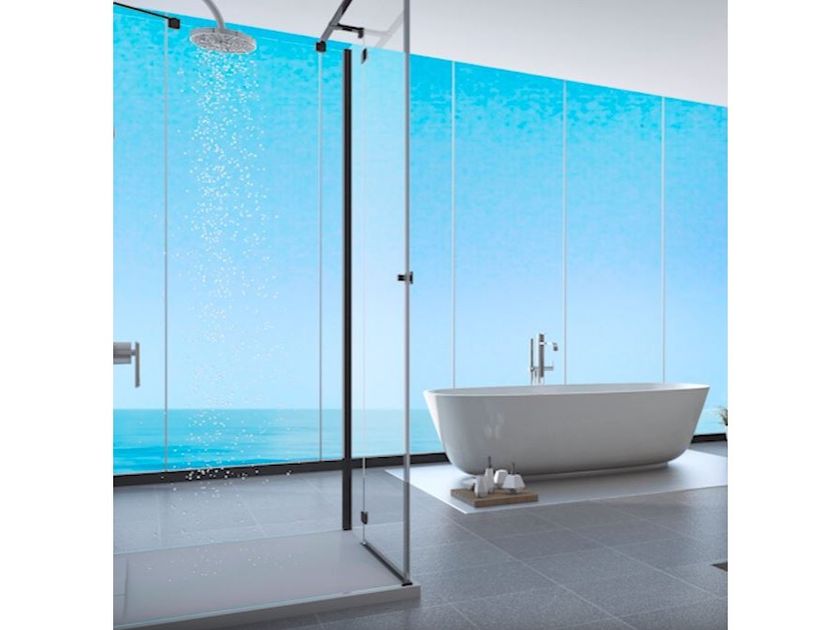
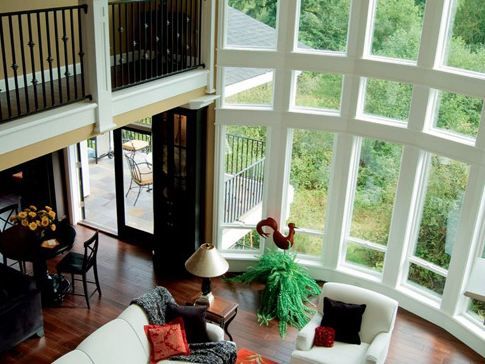
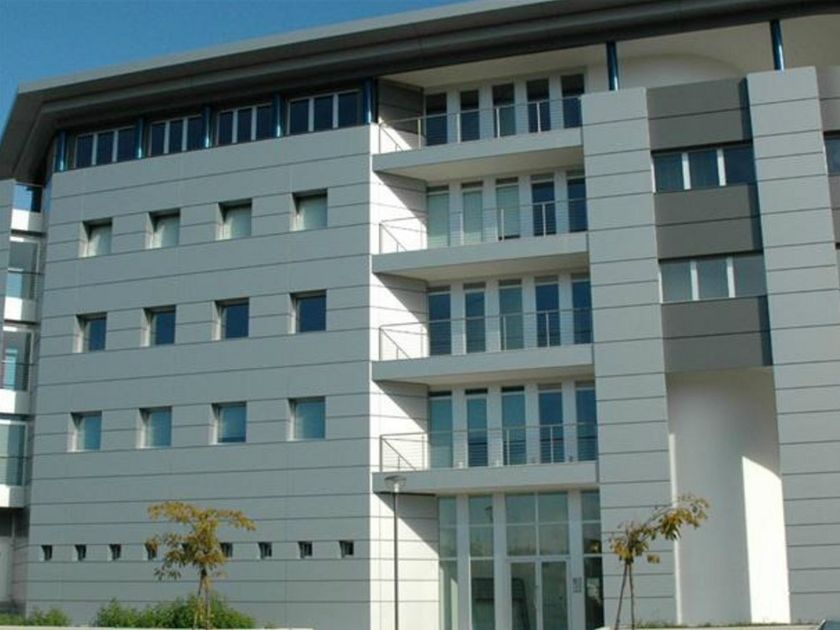
A high performance thermal insulation off-line coated glass with a Ug-value of 1.1 W/m2K when incorporated in a standard Insulating Glass Unit (IGU). It is one of the market's leading super neutral low-emissivity glass products due to its very high light transmittance, low light reflectance and high level of colour neutrality making it ideal for large glazing areas with demanding design.
Pilkington Optitherm™ S3 is always supplied as part of an Insulating Glass Unit. For applications requiring impact safety, we offer Pilkington Optitherm™ S3 Pro T which must be toughened and is colour matched to Pilkington Optitherm™ S3 after toughening.
Pilkington Optitherm™ S3 is available in combination with Pilkington Optilam™, Pilkington Optiphon™ or Pilkington Activ™ to offer additional benefits such as impact resistance, increased security, improved noise reduction or additional self-cleaning properties.
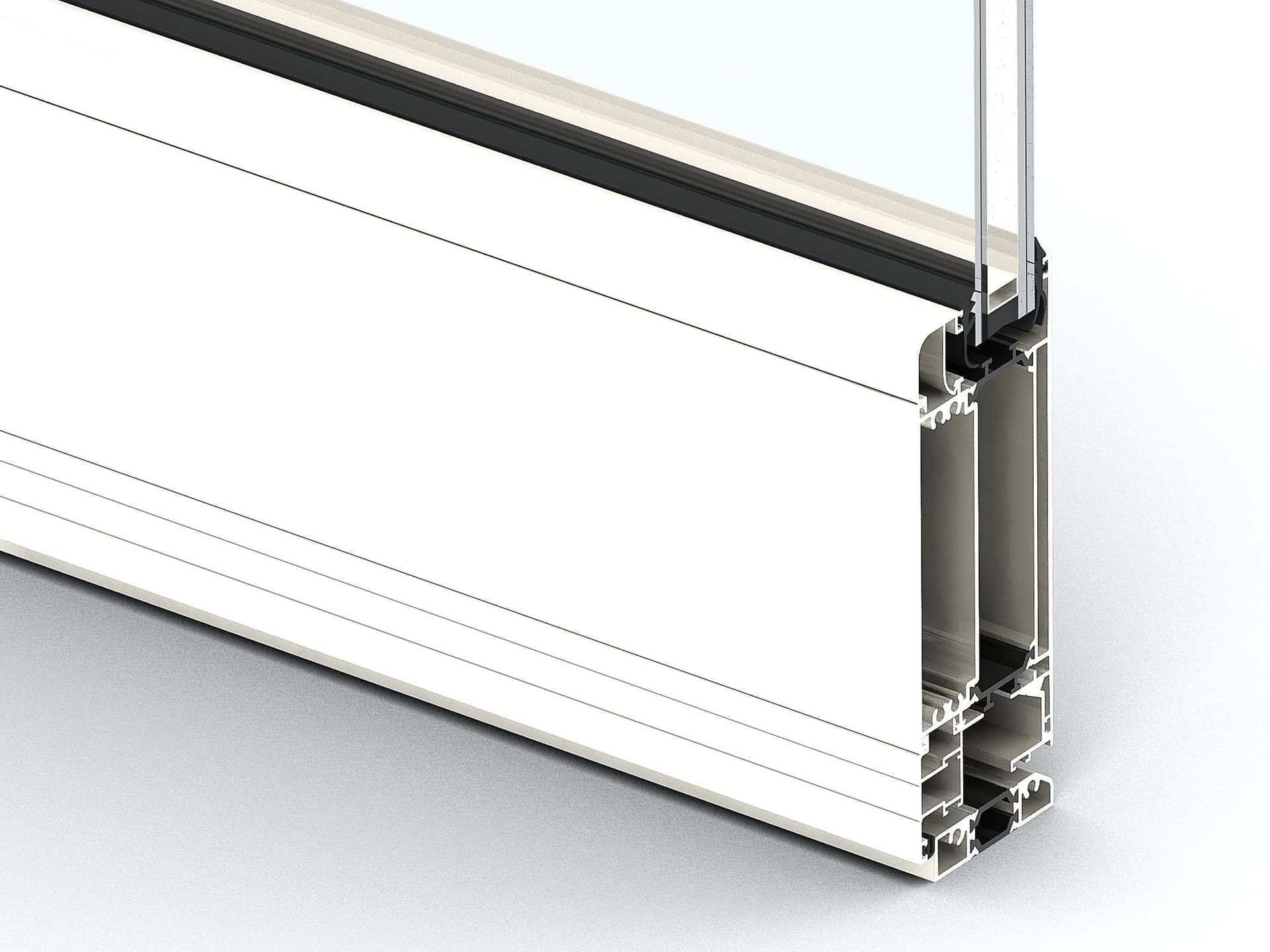
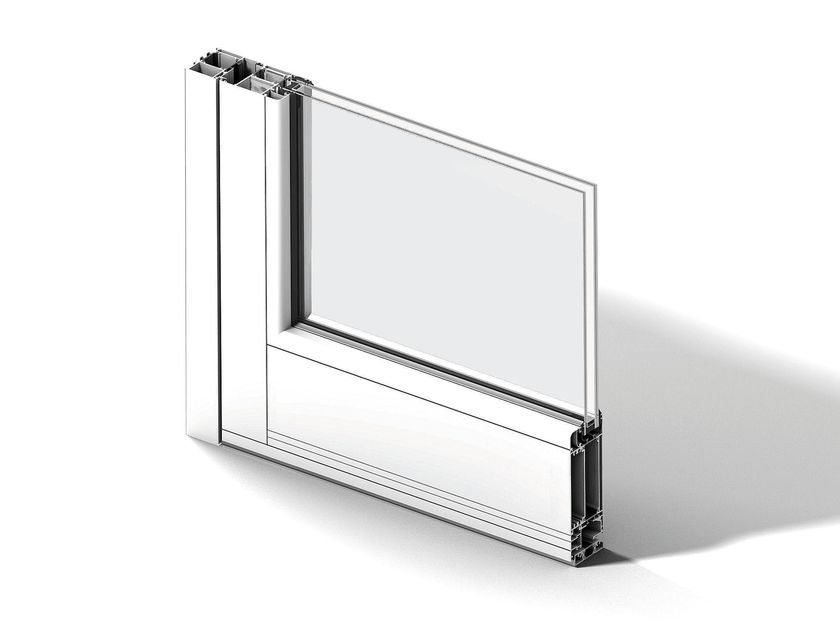
Glass from the Pilkington Optitherm™ range is designed to be assembled into insulating glazing. The low emissivity coating deposited off-line on the glass gives the Pilkington Optitherm™ range very high thermal insulation performance combined with excellent colour neutrality.
Solar energy enters the building mainly as short wave radiation but, once inside, is reflected from objects back to the glass as long wave radiation. Low-emission glass has a coating that effectively counteracts heat loss, allowing solar heat to enter and preventing the energy emitted from the interior radiating bodies from escaping. Heat loss is generally expressed as a U-value, which corresponds to the heat loss in Watts per square metre for each degree Kelvin of temperature difference between the interior and exterior (expressed as W/m2K); the lower the U-value, the better the insulation guaranteed by the product.
Basically, low-E glass reflects energy back into the room, with a significantly reduced heat loss compared to normal float glass. In addition, various types of low-e glass allow for passive solar gain of varying degrees, which helps reduce heating needs and costs, especially in the colder months.
0
0