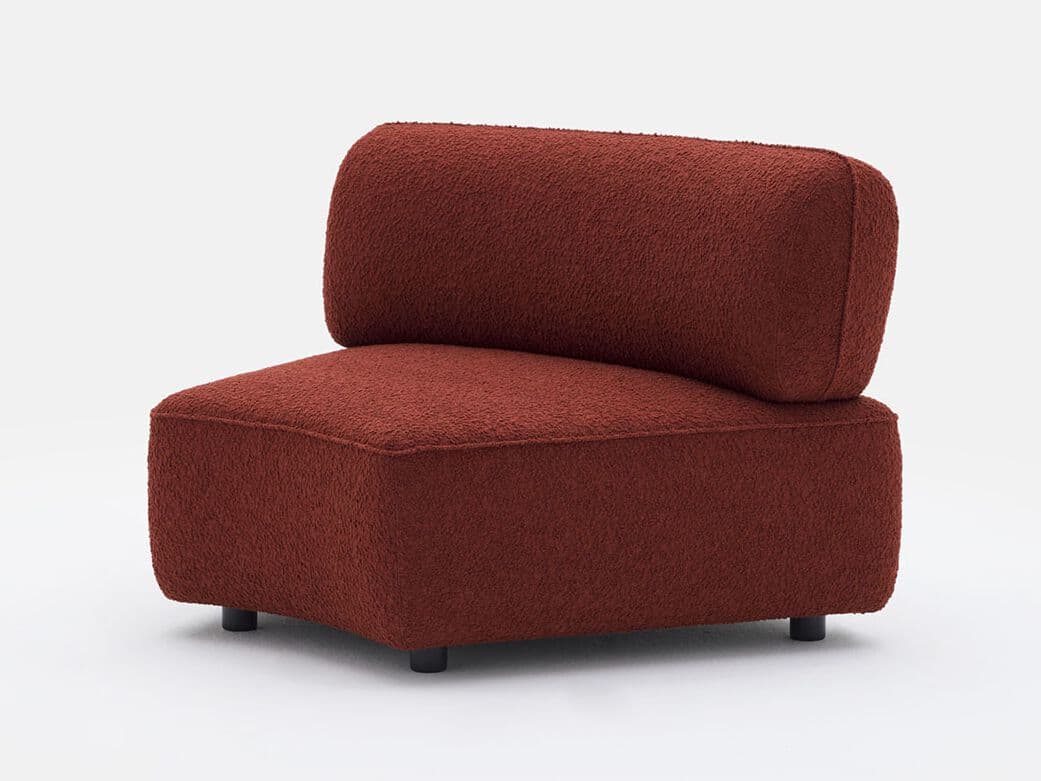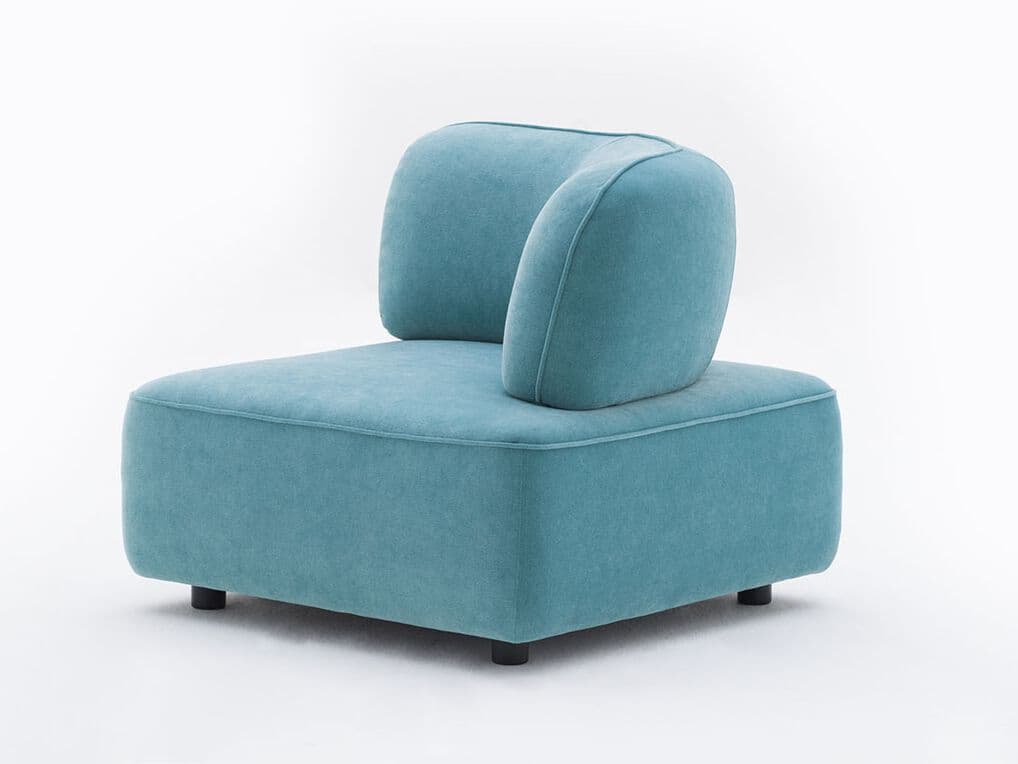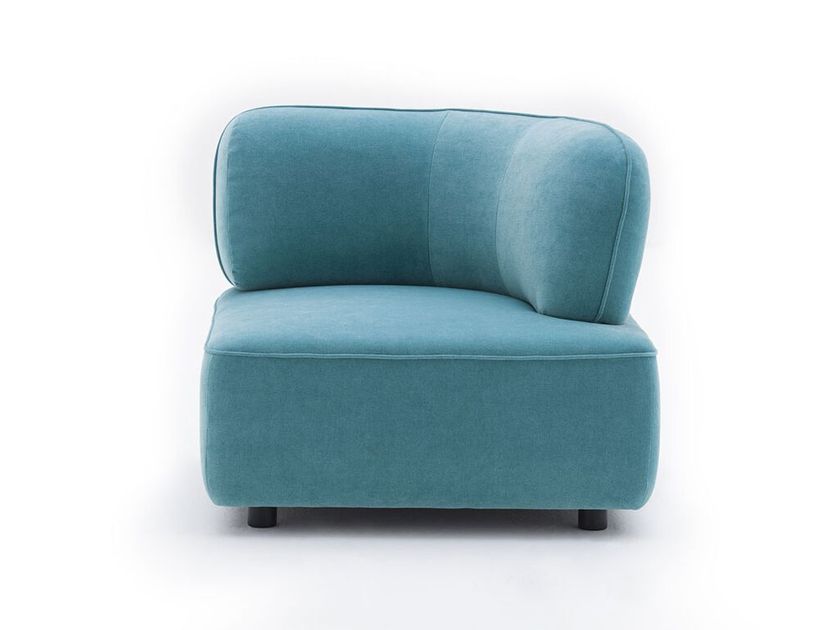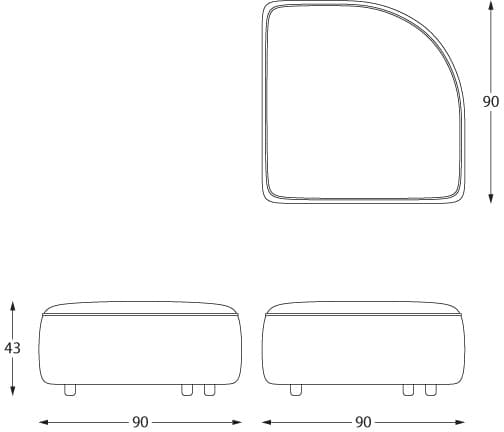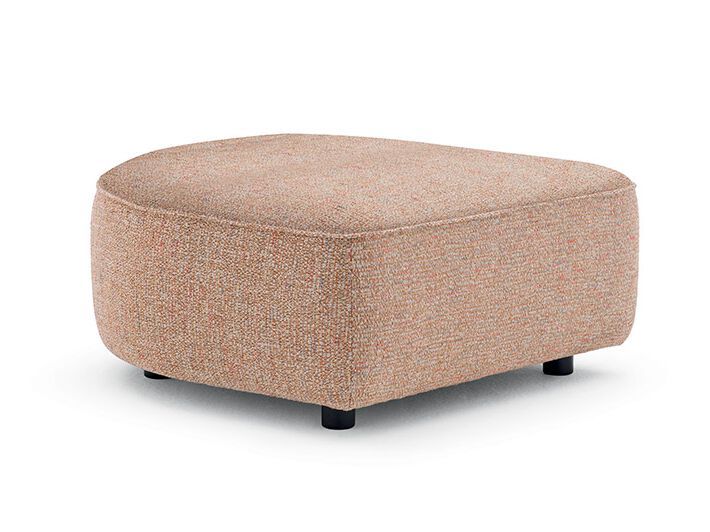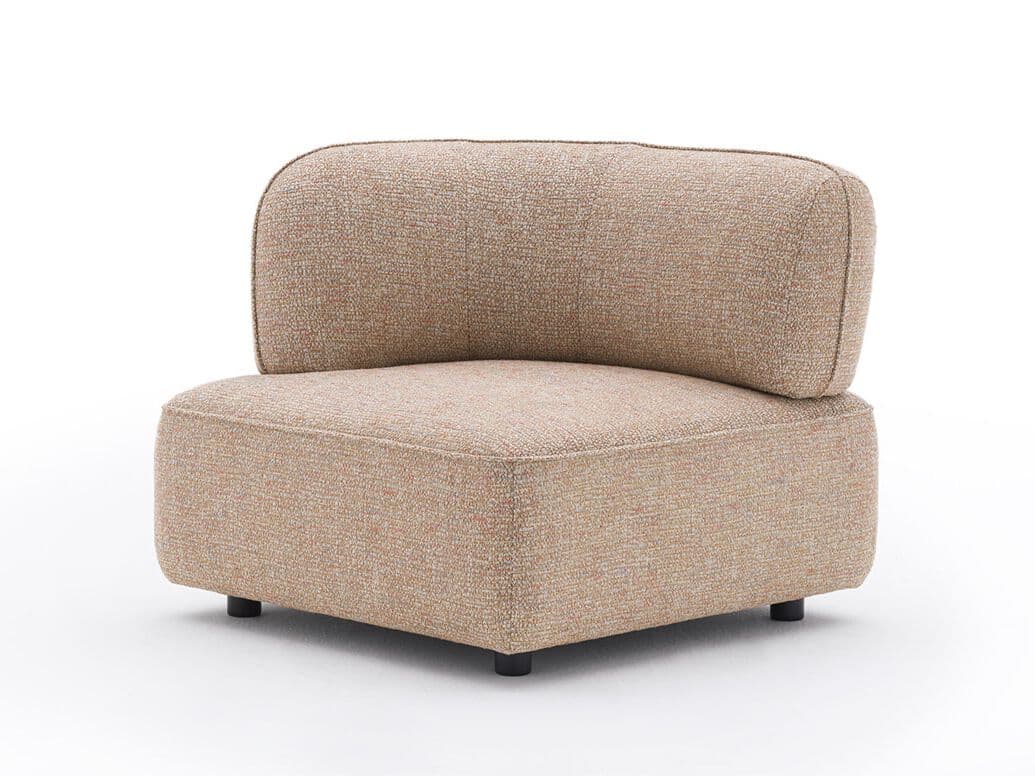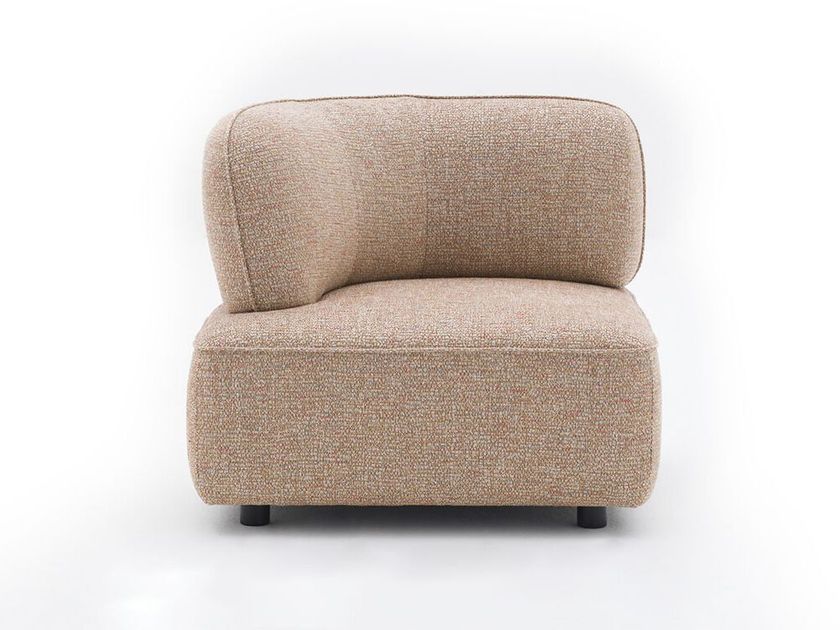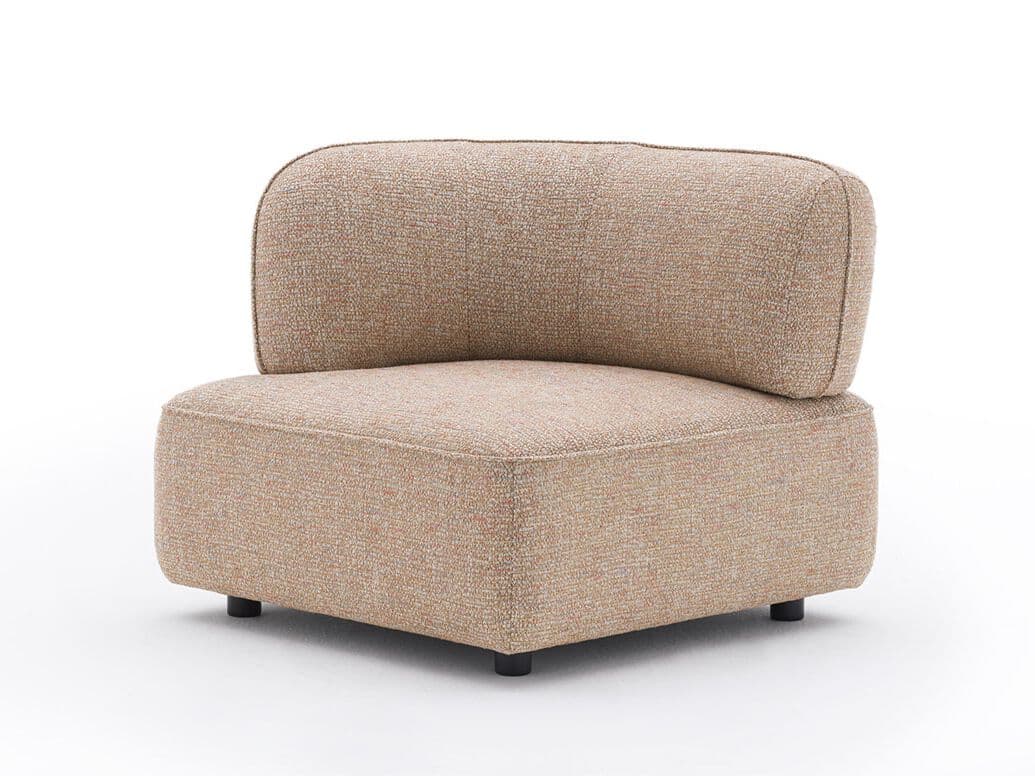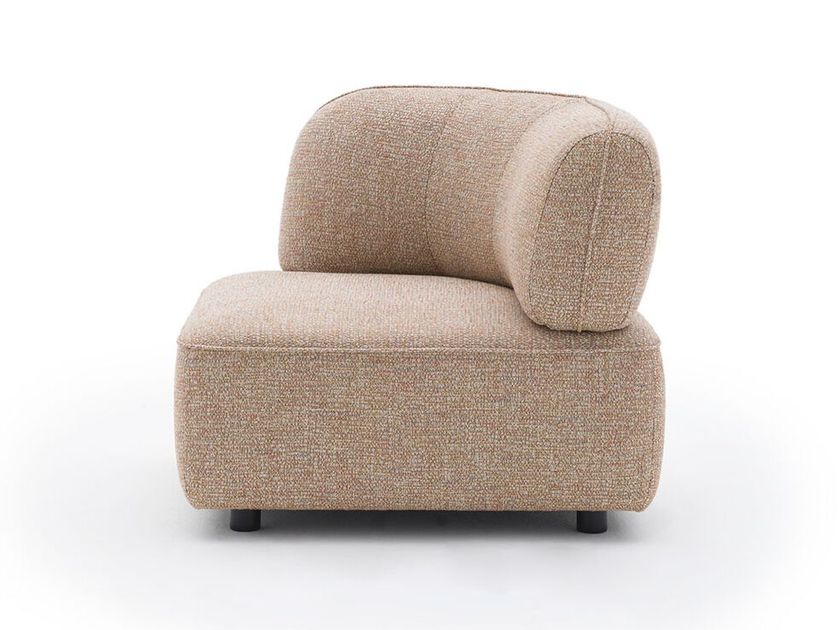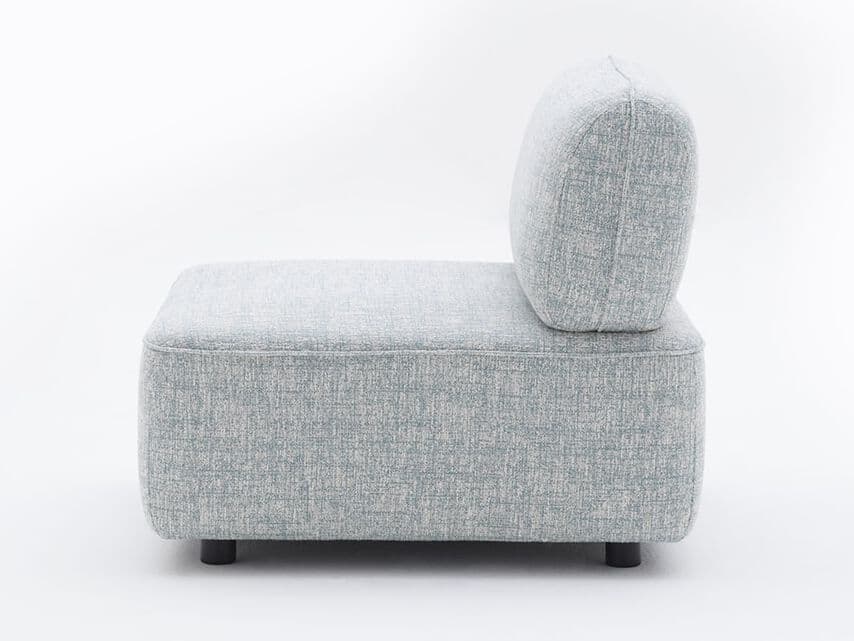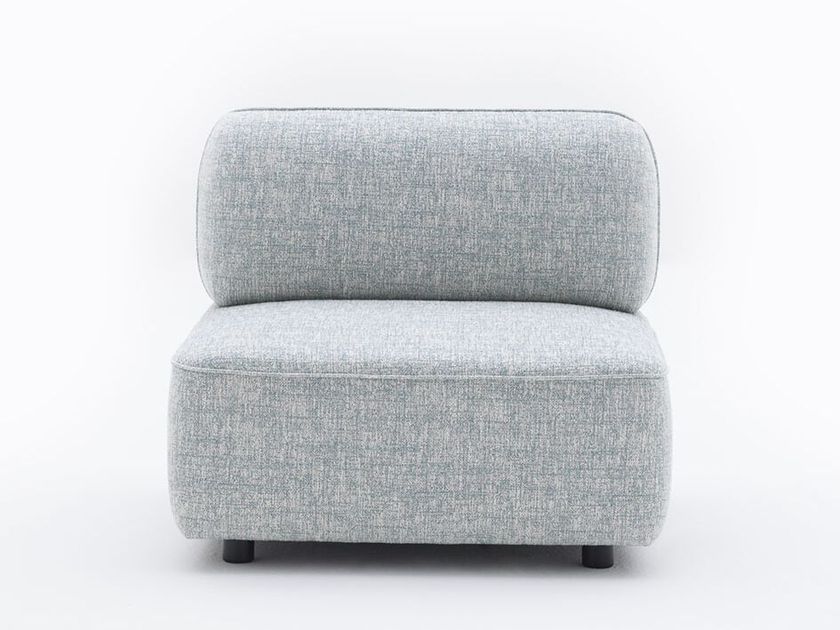


TECTA D1 Armchair with armrests
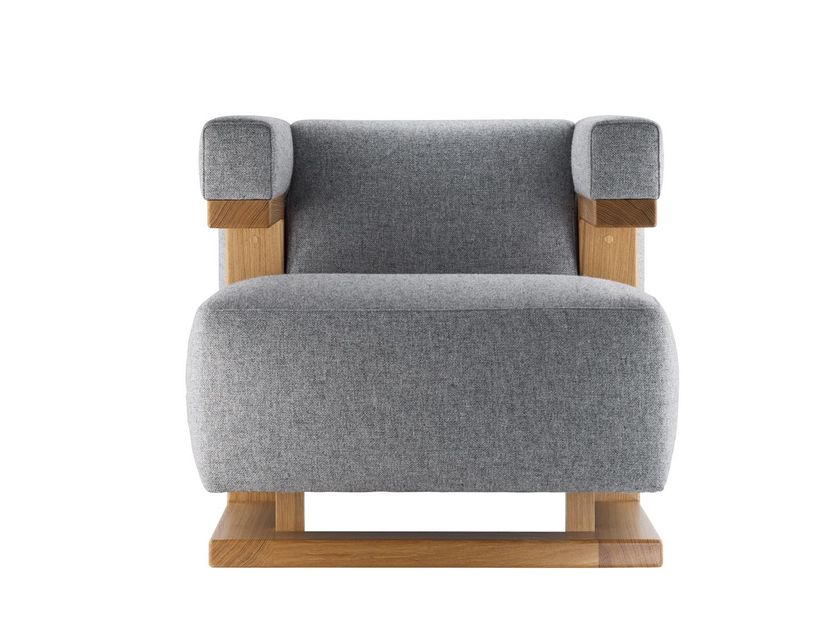
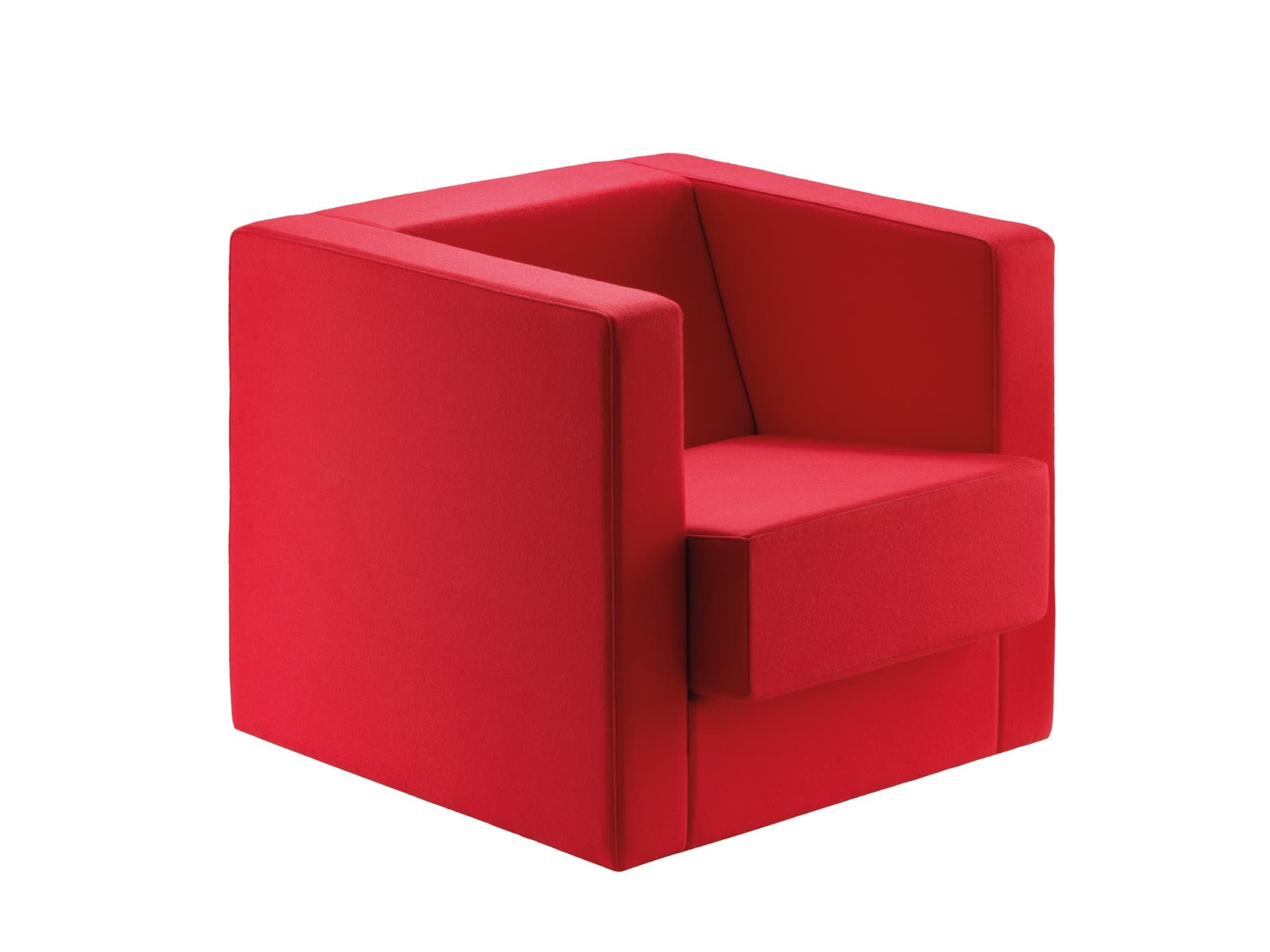
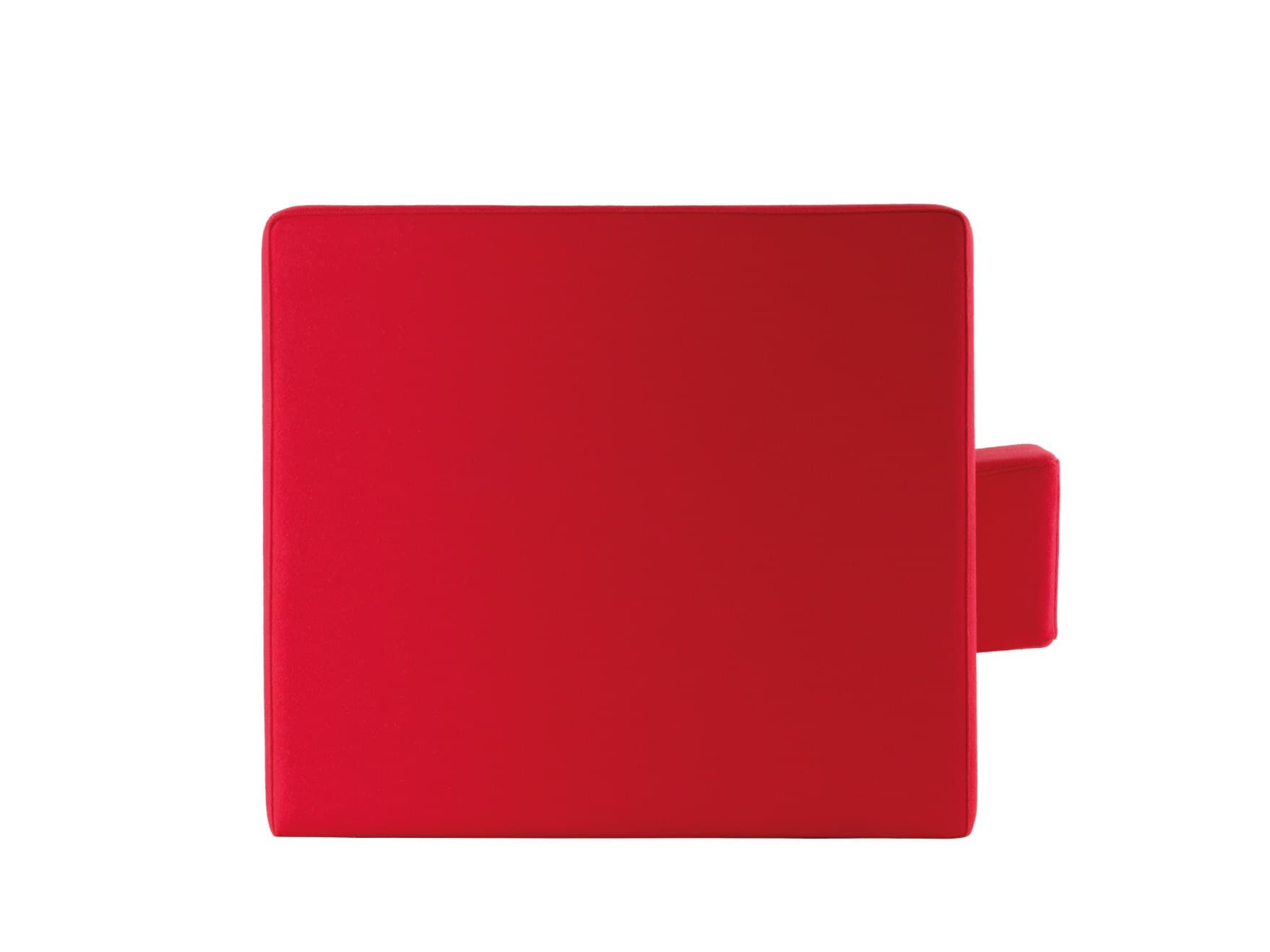
Peter Keler designed the D1 armchair, his "red cube", in 1925 as a prototype at the State Bauhaus School in Weimar. Keler’s object was intended for Farkas Molnar’s single family home "The Red Cube" and addresses the challenge of colour in interior design as perceived at that time. Upholstered in red leather, the original is held in the permanent collection at the Cantilever Chair Museum / Tecta Archive in Lauenförde.
Frame: wooden frame with castors
Upholstery: fabric or leather, removable cushion
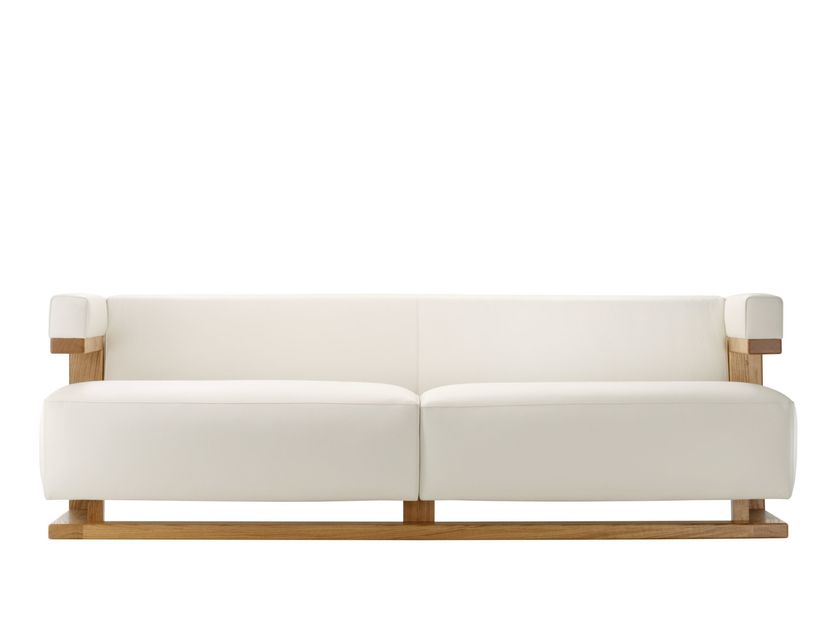
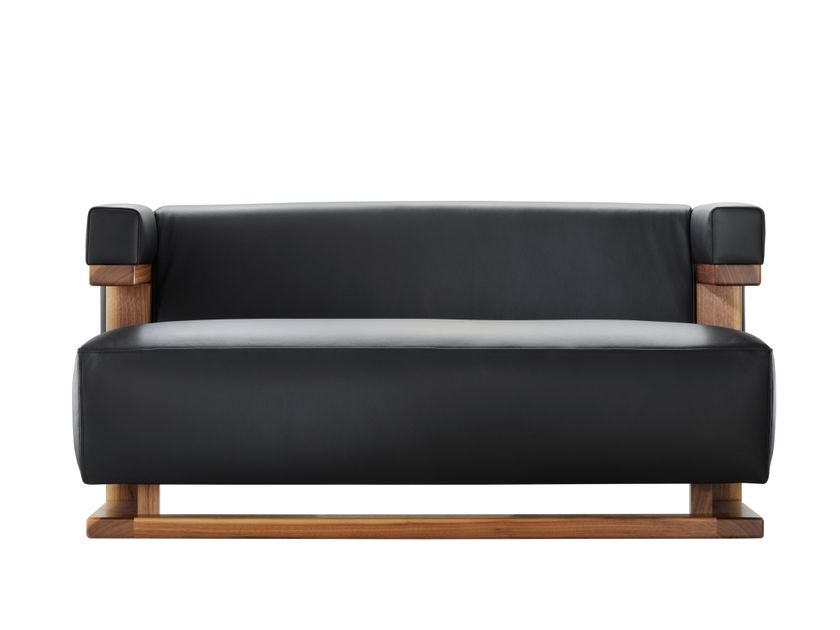
The D1 chair, produced by Tecta according to Peter Keler’s original design, was one of the most radical approaches of its time. Together with Tecta, Keler later developed the two and three-seater sofa (D1-2, D1-3) based on the D1 armchair with its signature cubic shape. Both products embody the same architectural concept of cubic furniture. A concept that would later influence an entire generation of designers, and inspired Le Corbusier to design his LC2 furniture.
The Bauhaus Archive in Berlin only approves true-to-work and licensed reeditions of the original Bauhaus models. These are marked with Oskar Schlemmer’s signet, which he designed for the Weimar State Bauhaus in 1922. Even today, Tecta's Bauhaus models are based exactly on the proportions of the originals.
0
0