COPLAN#COPLAN#RECKLI®#External walls and facades#Blocks and panels for external walls#Matrices for fair faced concrete walls
COPLAN RECKLI® - Матрица для стен из бетона с видимой фактурой
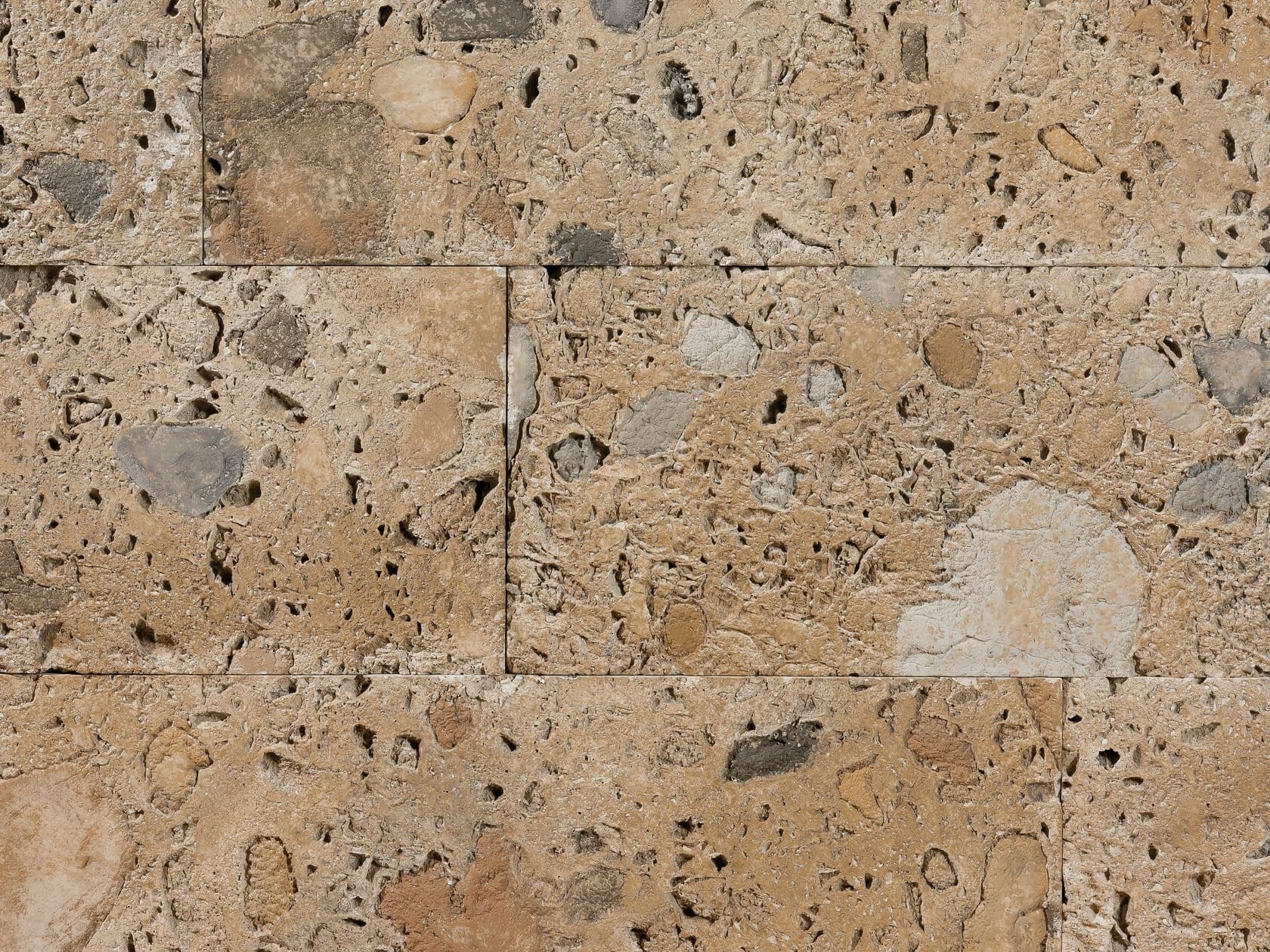
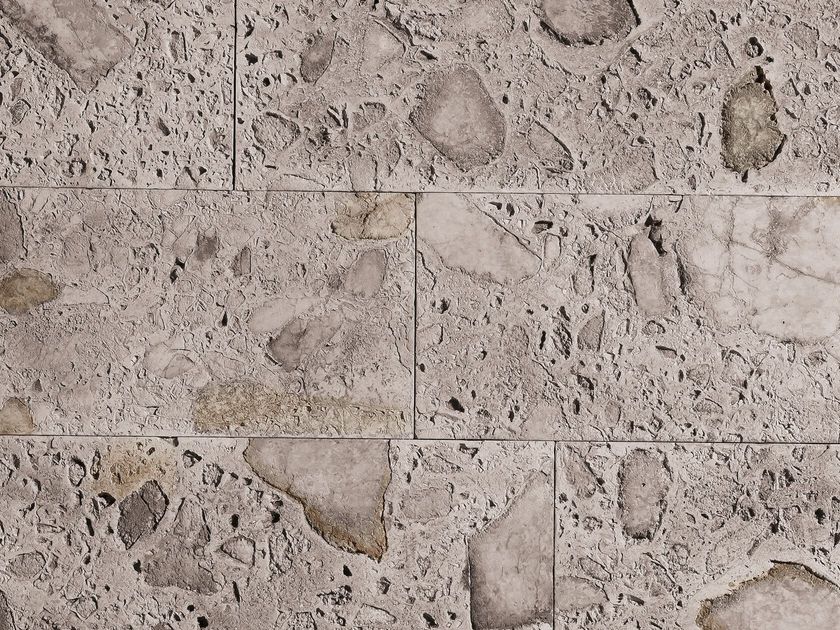
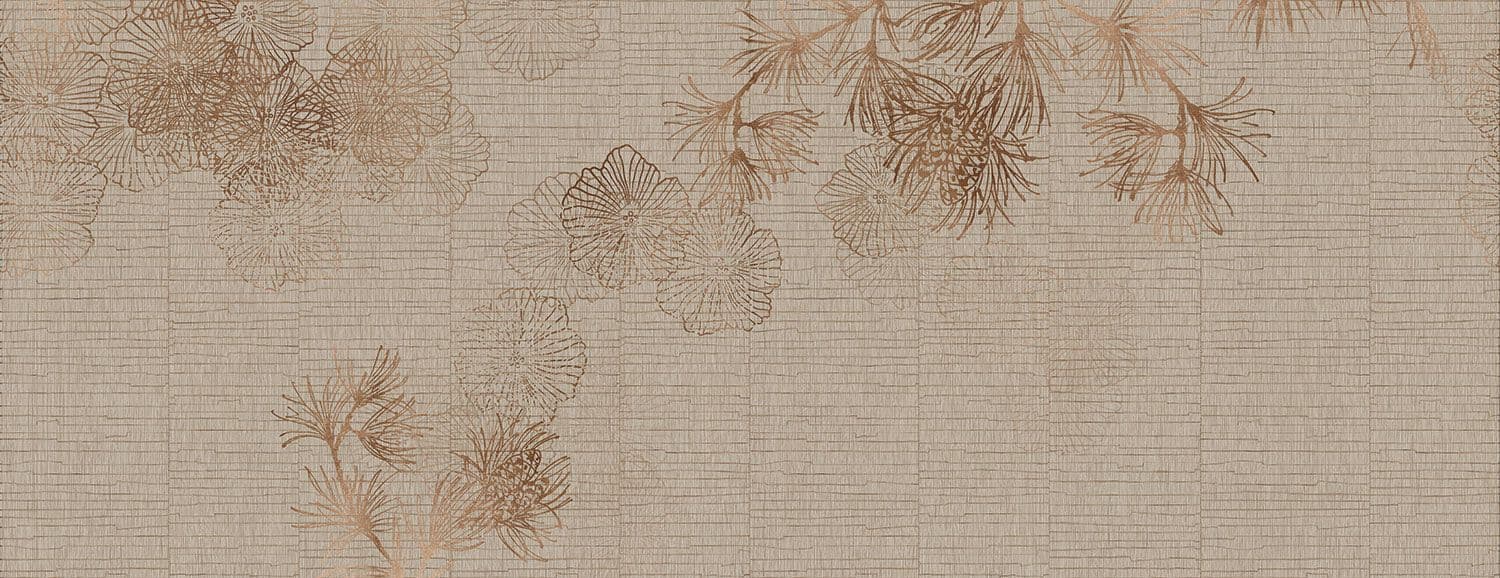
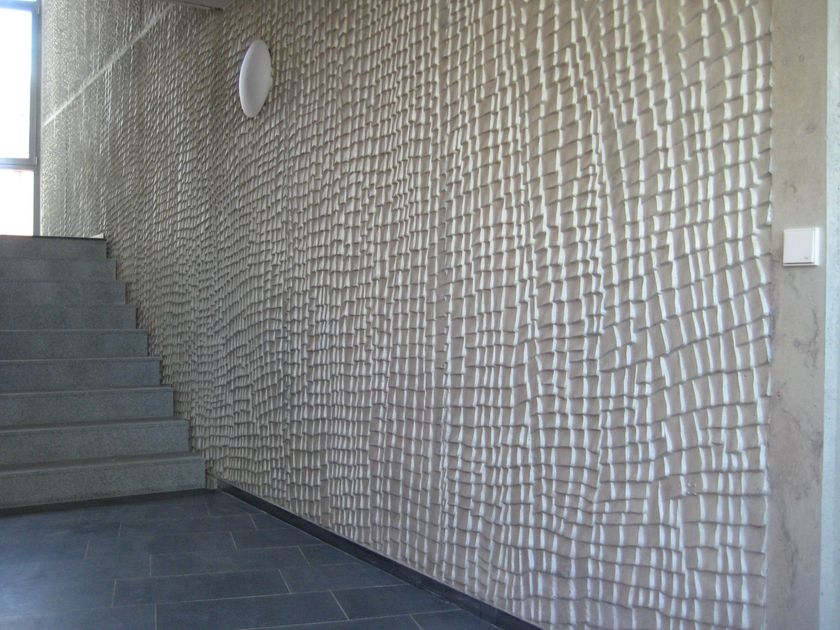
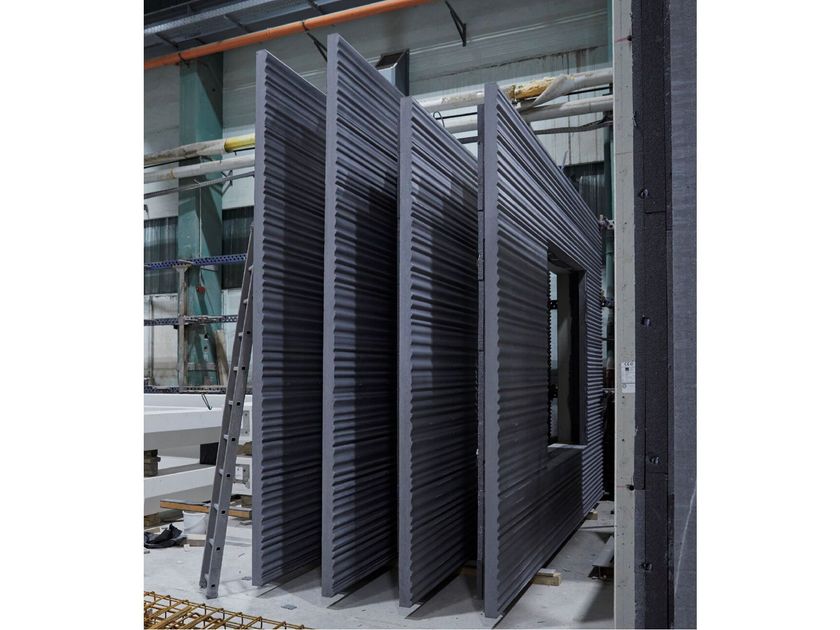
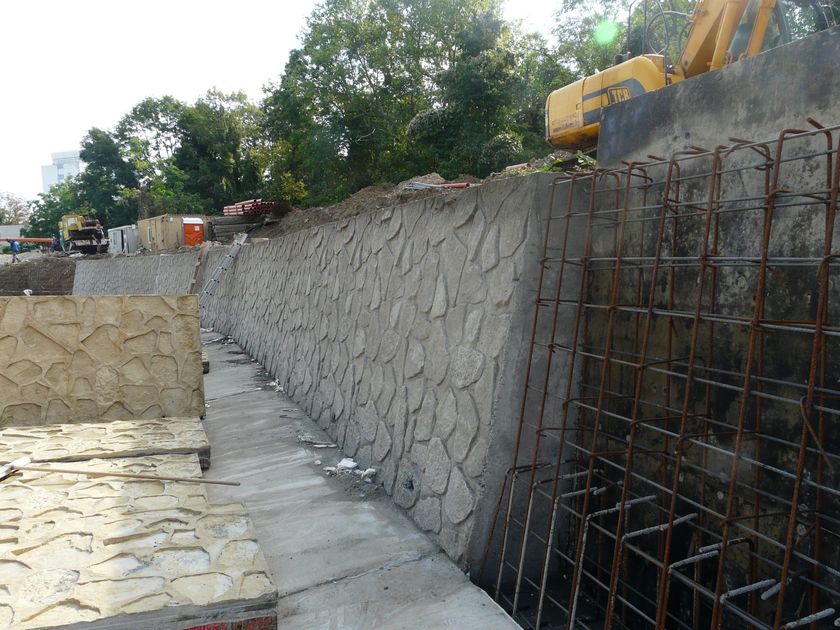
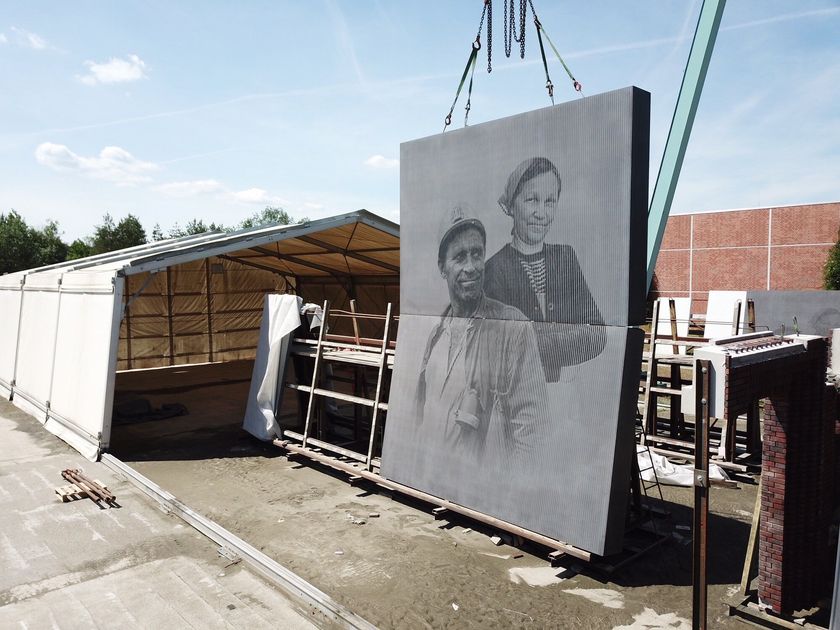
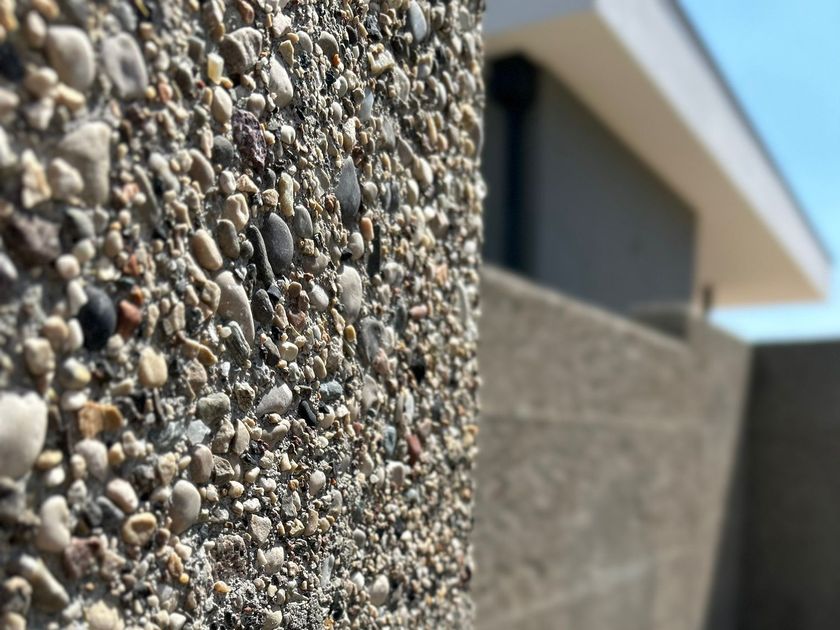
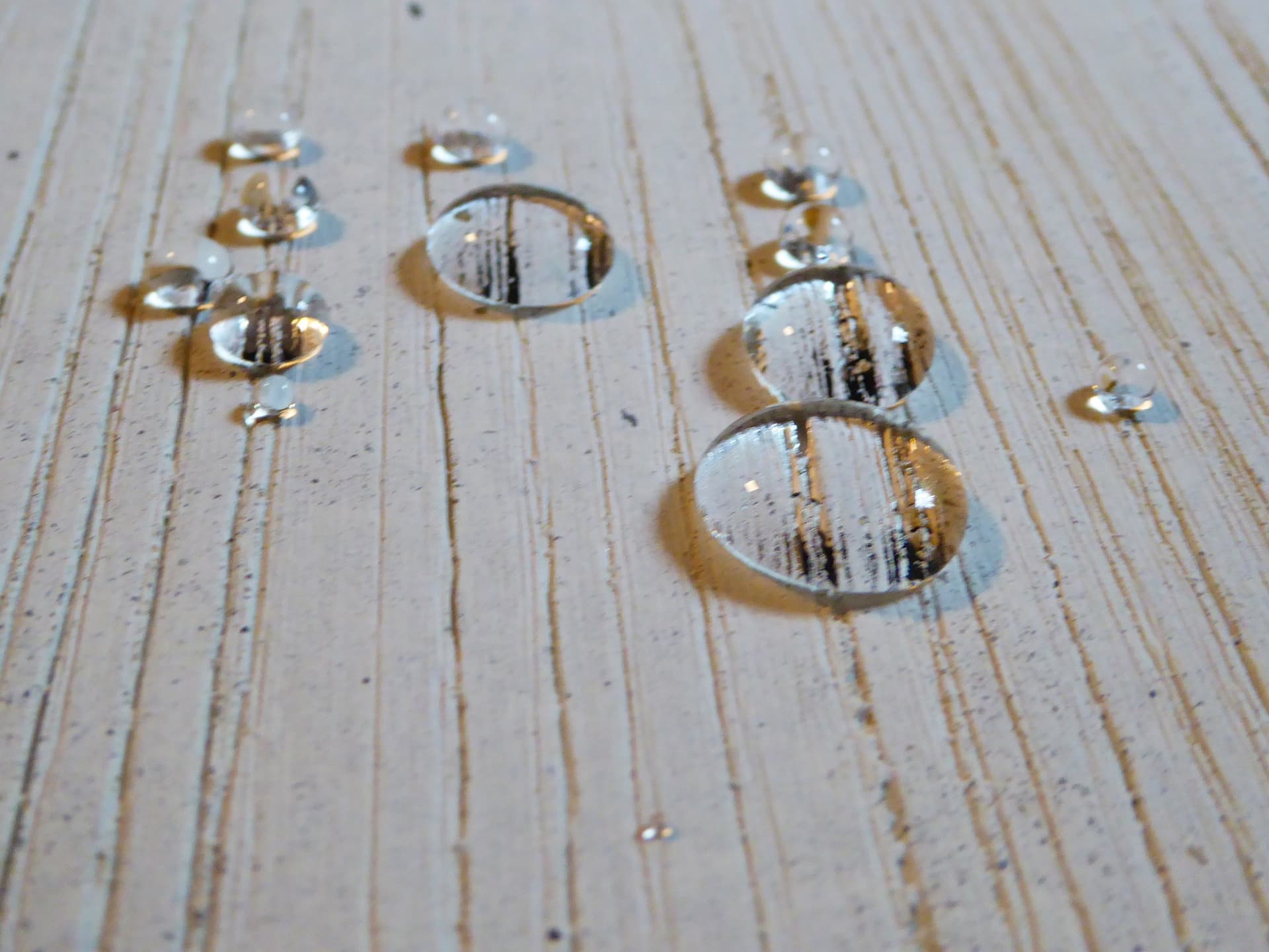
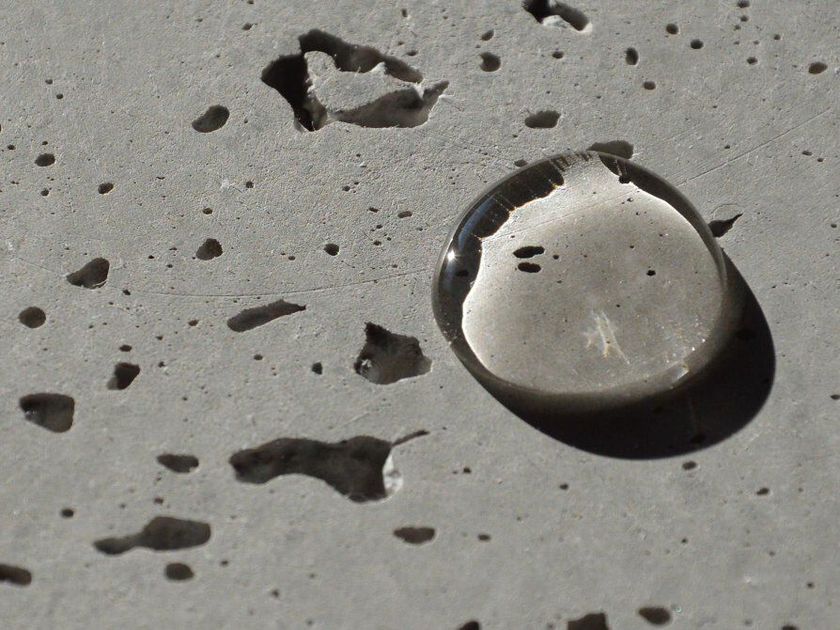
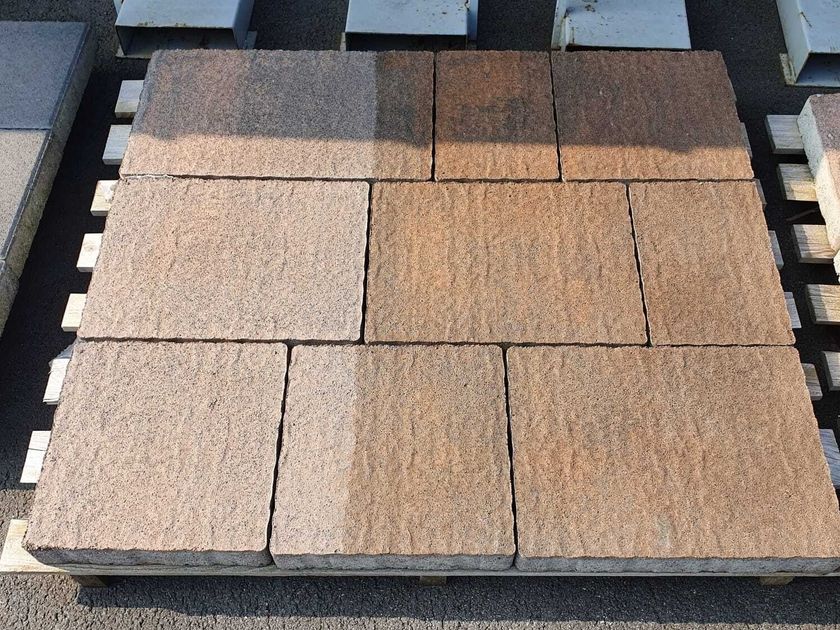
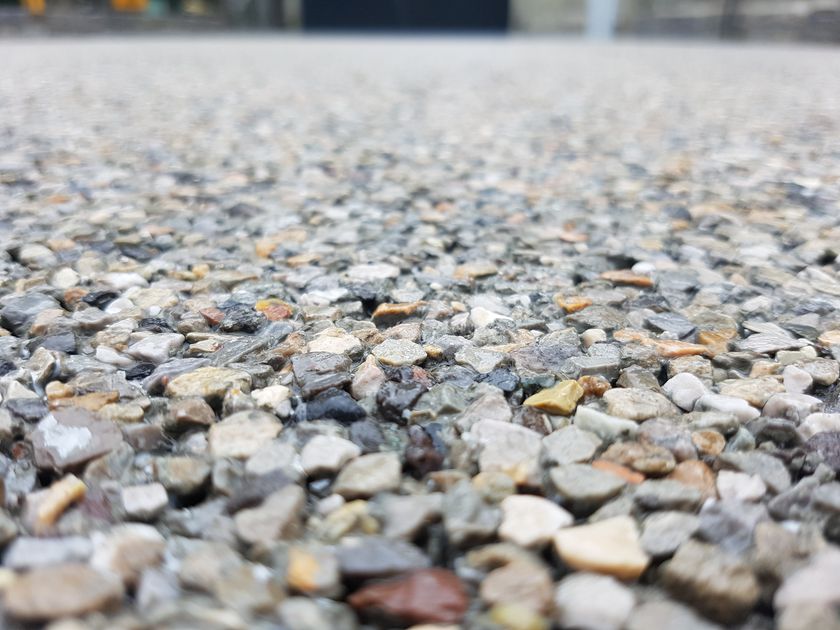
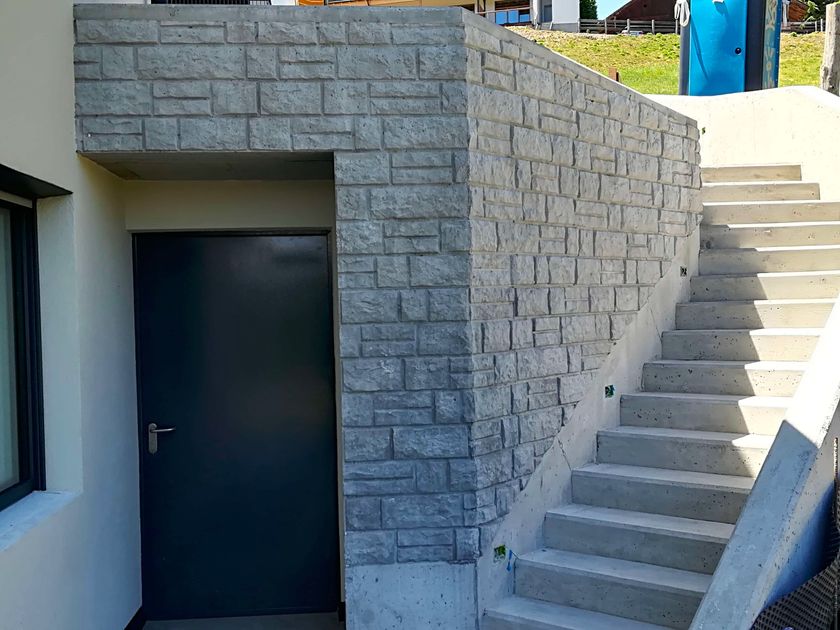
RECKLI MATRIXES are used in precast and in-situ pours to imprint patterns and reliefs on the exposed surface of concrete: available in more than 200 standard textures, they easily and economically embellish the surfaces of walls and artefacts. RECKLI MATRIXES are available in the following versions:
Type C for a minimum of 100 castings
Type A for a minimum of 50 castings
Type E for a minimum of 10 castings
With uncomplicated designs, scrupulous adherence to technical instructions and careful handling, the number of actual castings is much higher. For technical production reasons, some designs are not available in versions for minimum 50 and/or 10 castings.
Advantages
Guaranteed durability
Faithful reproduction of the chosen texture
Suitable for forced curing cycles
ISCC+ certified (certificate of sustainability and CO2 footprint)
Use
RECKLI MATRIXES are either glued to formwork in in-situ pours (multi-layer with a thickness of at least approx. 20 mm) or laid on the bottom of formwork on prefabrication sites. Since moulds that are simply placed at the bottom of the formwork tend to expand cast after cast, we recommend the use of ADHESIVE FOR MATTRICS also in prefabrication. The formwork must be perfectly clean and sanded before gluing. The back of RECKLI MATRIXES must be lightly sanded and cleaned with RECKLI-LIQUID INCOLLAGGIO MATRIXES before laying them on the fresh adhesive.
Once they have been glued or placed on the formwork, RECKLI-DISARMANTE TL release agent must be applied to the matrices before each concrete casting. It is very important that the release agent is evenly distributed and that any excess is removed, otherwise stains may form on the casting. For in-situ pours, for which we recommend the use of the special version DISARMANTE TL-SO, the formwork should be protected with PVC sheeting up to the time of pouring in order to prevent the release agent from disintegrating or dispersing due to rain, dew or other causes. In any case, before casting, it is advisable to ensure that the matrix is sufficiently covered with release agent (especially in correspondence of vertical reliefs), otherwise a second coat is applied. The use of release agents other than those specified in this data sheet may damage the matrices and is at the user's own risk, releasing RECKLI-Chemiewerkstoff GmbH and COPLAN S.r.l. from any liability.
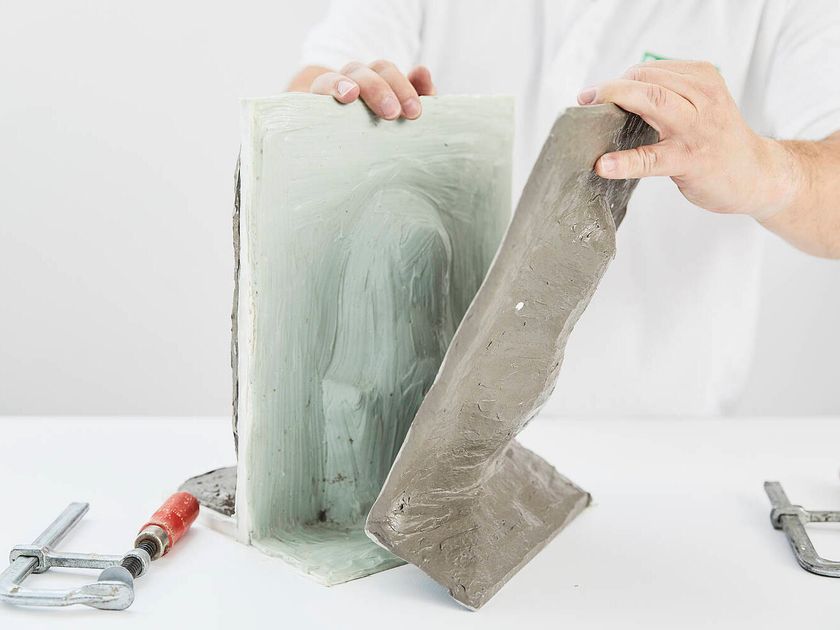
24 hours after pouring, which can be carried out with different types of mixes (ordinary, lightened, coloured, self-compacting, white cement, washed concrete, etc.), dismantling takes place. It is recommended to dismantle as soon as possible, as the prolonged residence time of the concrete on the matrix causes vacuum effects that could make dismantling difficult. If, due to the mass of the concrete, type of cement or other reasons, the temperature in contact with the matrix should exceed +65°C (note, also consider the heat of hydration of the cement), the temperatures must be reduced. For the durability of RECKLI MATRIXES it is very important that the stripping phase takes place slowly and gradually. Under no circumstances should the matrices be bent in on themselves or forcibly torn from the concrete.
Like all elastic/rubbery materials, matrices expand with use; in this case, the edges are trimmed with the appropriate MATRIXING KNIFE. The touching up of joints between several sheets laid side by side and the repair of any anchor holes or minor damage can be carried out with RECKLI - ELASTUCCO mastic.
Preliminary tests
For the selection of the desired finish and to carry out all practical tests regarding temperature, mix composition, stripping procedures, production rates, etc., free samples measuring 50 x 50 cm are available for each type of standard matrix in the catalogue.
Supply and storage
RECKLI MATRIXES are supplied rolled up on cardboard tubes (it is advisable to unroll the matrices as soon as they reach the building site) or placed in special rigid packaging. The maximum sheet sizes are given in the catalogue. RECKLI MATRIXES are supplied a few mm larger than ordered sizes, so that they can be trimmed to size at the place of use. Mat thicknesses may vary, within the same sheet or between sheets of the same production order. Attention: Due to unavoidable tolerance issues, all measurements and thicknesses referred to matrices (in catalogues, offers, order confirmations, etc.) are to be considered indicative. RECKLI MATRIXES must be stored unrolled, in a dry place and protected from the weather. Matrices must be handled without the use of sharp or angular tools.
Jointed dies
The catalogue shows the maximum dimensions for each type of die, corresponding to the size of the production die (model). If required, dies can be supplied spliced together, with a surcharge calculated per linear metre of splice executed. Despite the utmost care and attention, it is possible that the joint line (similar to a scar) is visible on the die, and consequently also on the concrete casting; the visibility of the joint is more pronounced on thinner dies.
Customised matrices
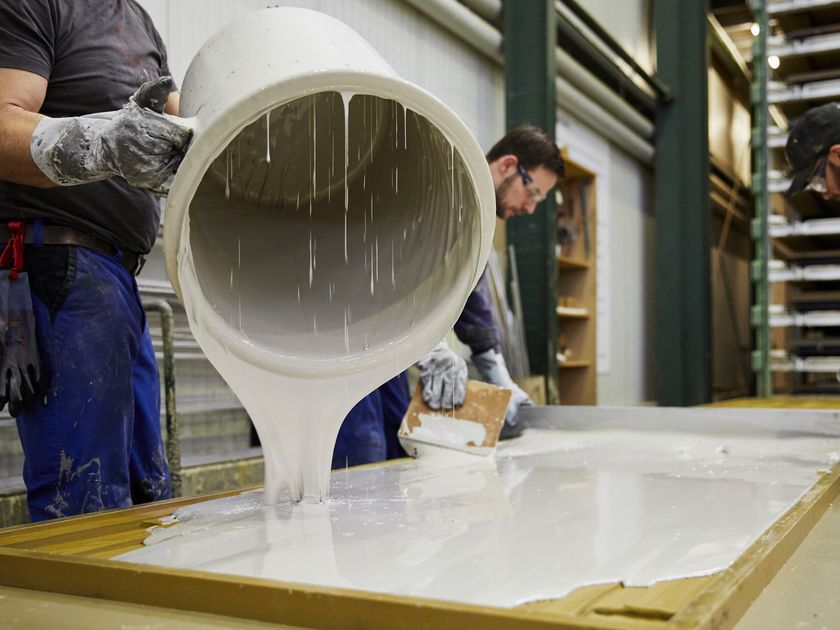
Special matrices not included in our catalogue can be supplied, made to customer drawings: we would also like to point out that with RECKLI - PUR ELASTOMER liquid rubber it is possible to make any type of matrix or elastic mould in-house from an original model in wood, iron, plaster, concrete, stone, etc.
Cleaning and maintenance
For cleaning and maintenance of the surface of the dies (casting side) use a rag soaked in RECKLI - DISARMANTE TL.
Removal of the matrices from the formwork
The purpose of the adhesive is to create a fixed and durable connection between the matrix and the formwork. A great deal of force is therefore required to detach bonded matrices and it is almost impossible not to damage them. It is possible to glue the matrices onto sheet metal or marine plywood panels, which are then fixed to the formwork. To detach the stencils from the formwork, a sharp knife or a multifunctional power tool with a scraper is inserted between the stencil and the formwork, lifting the stencil as soon as it detaches from the formwork. In spite of careful detachment, residues of adhesive and matrix remain on the bottom of the formwork, which can be removed with a belt sander or a solvent to dissolve the adhesive residues.
Disposal of the matrices
The matrices are made of polyurethane elastomer and can be disposed of with EER code 120105.
Jointed dies
The catalogue shows the maximum dimensions for each type of die, corresponding to the size of the production die (model). If required, dies can be supplied spliced together, with a surcharge calculated per linear metre of splice executed. Despite the utmost care and attention, it is possible that the joint line (similar to a scar) is visible on the die, and consequently also on the concrete casting; the visibility of the joint is more pronounced on thinner dies.
Customised matrices
Special matrices not included in our catalogue can be supplied, made to customer drawings: we would also like to point out that with RECKLI - PUR ELASTOMER liquid rubber it is possible to make any type of matrix or elastic mould in-house from an original model in wood, iron, plaster, concrete, stone, etc.
Cleaning and maintenance
For cleaning and maintenance of the surface of the dies (casting side) use a rag soaked in RECKLI - DISARMANTE TL.
Removal of the matrices from the formwork
The purpose of the adhesive is to create a fixed and durable connection between the matrix and the formwork. A great deal of force is therefore required to detach bonded matrices and it is almost impossible not to damage them. It is possible to glue the matrices onto sheet metal or marine plywood panels, which are then fixed to the formwork. To detach the stencils from the formwork, a sharp knife or a multifunctional power tool with a scraper is inserted between the stencil and the formwork, lifting the stencil as soon as it detaches from the formwork. In spite of careful detachment, residues of adhesive and matrix remain on the bottom of the formwork, which can be removed with a belt sander or a solvent to dissolve the adhesive residues.
Disposal of the matrices
The matrices are made of polyurethane elastomer and can be disposed of with EER code 120105.
Sustainability
ISCC (International Sustainability & Carbon Certification) is a global sustainability certification system covering all raw materials and markets. RECKLI matrices are ISCC+ certified, as they are made from up to 90% sustainable raw materials. The ISCC+ certificate is suitable for the representation of positive performance in sustainability reports.
0
0