SOLAVA#SOLAVA#External walls and facades#Blocks and panels for external walls#Facing bricks#Construction materials
SOLAVA - Фасадный кирпич
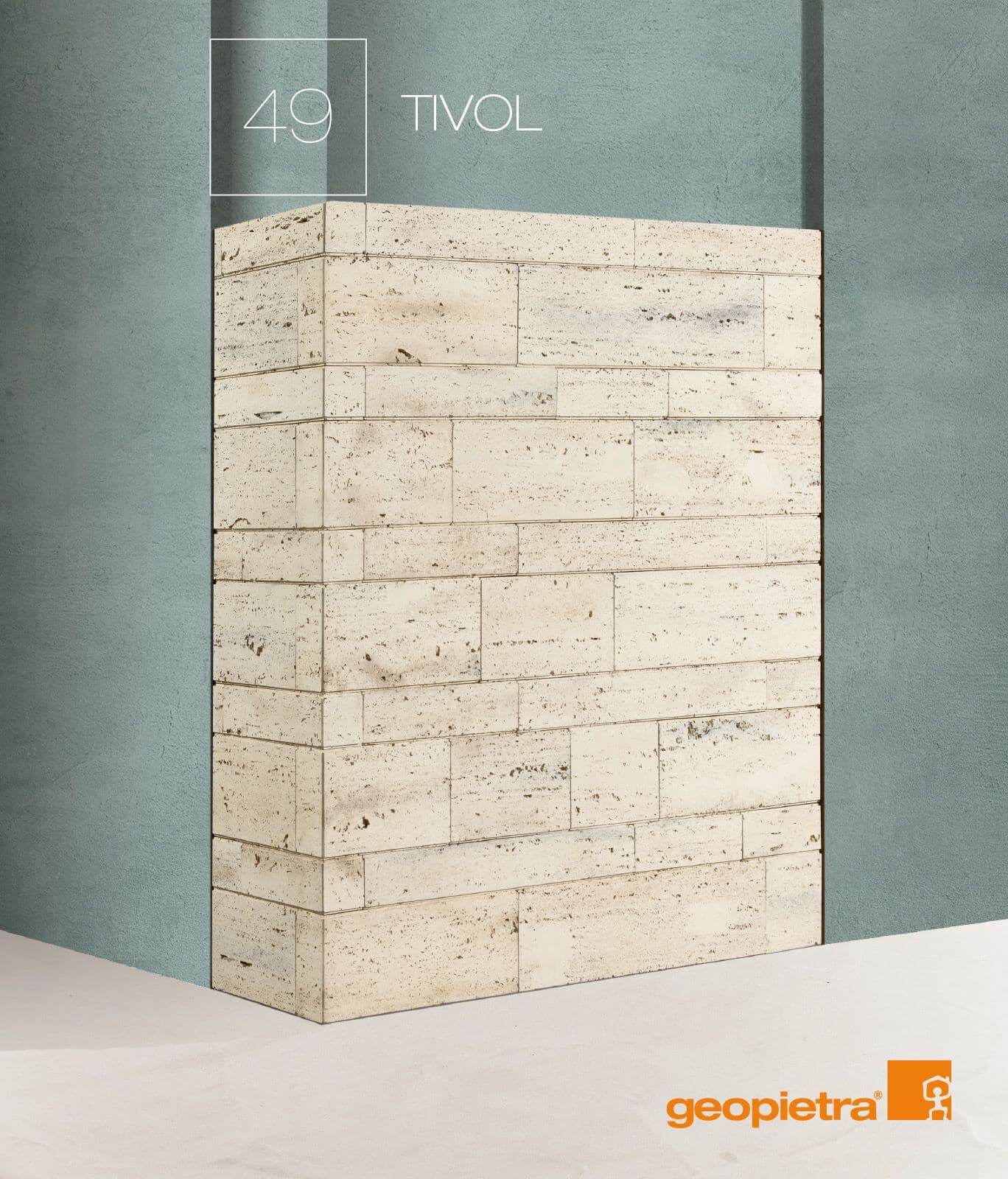
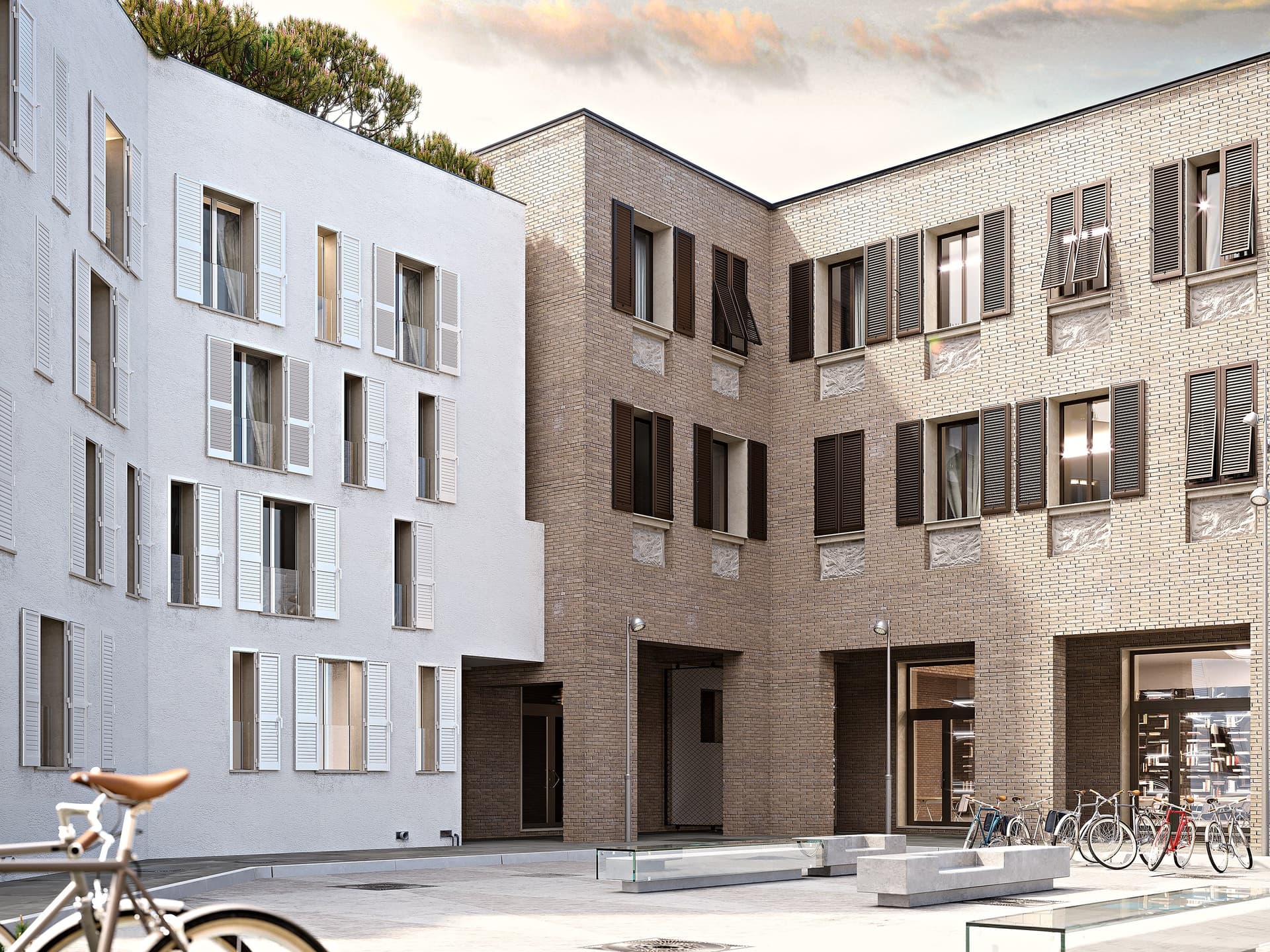
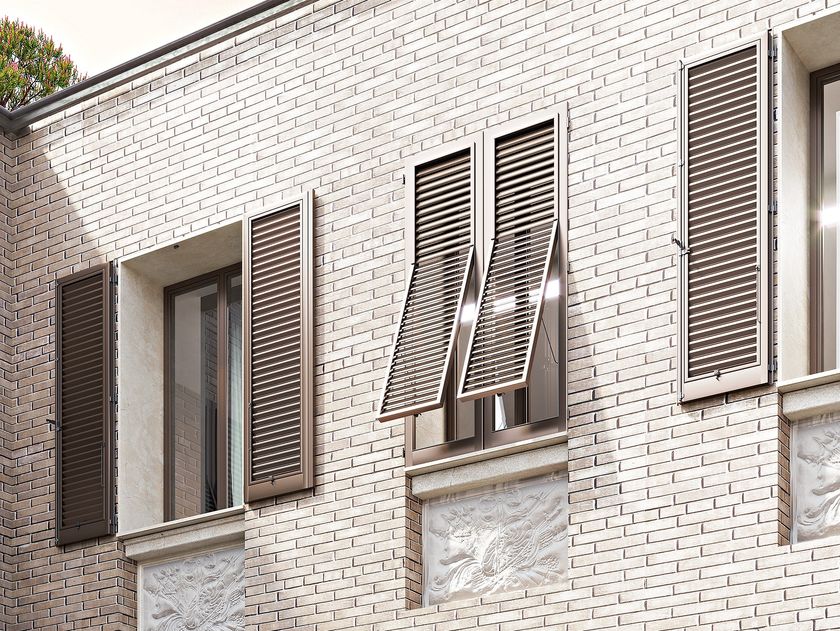
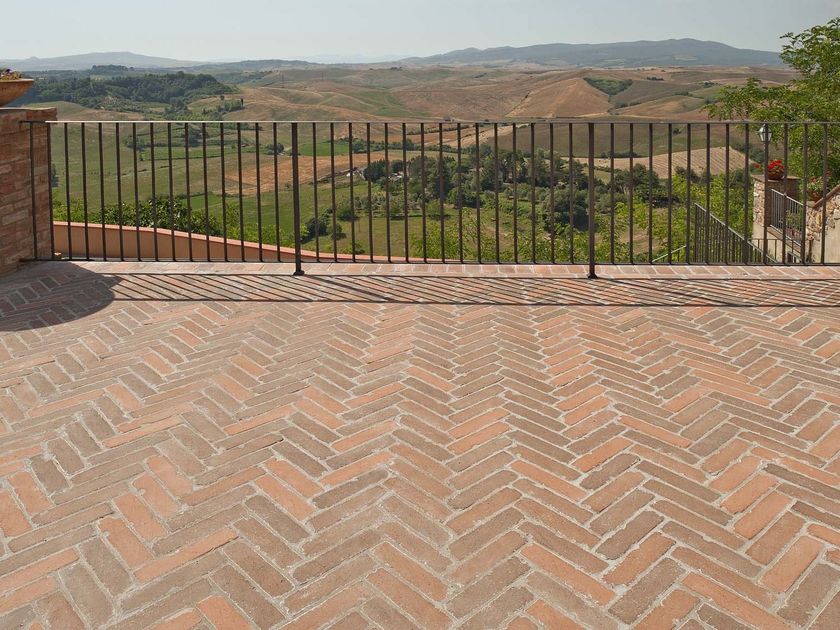
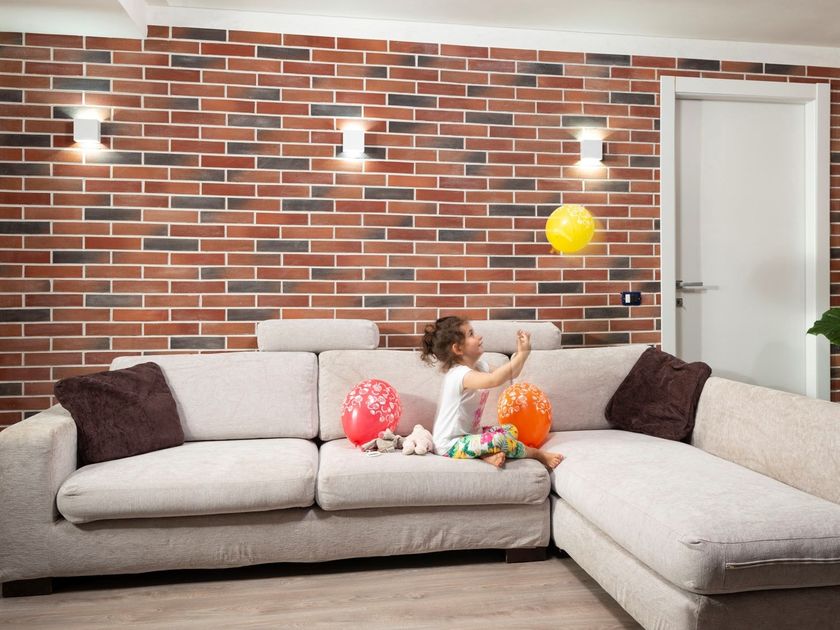
Solava manufactures solid and lightweight face bricks by extrusion. Sandblasting, rolling and embossing are the surface processes that give rise to no less than six different types of finish in the 25x12x5.5 format: Gaiole, Terranuova, Gargonza, Cetona, Pitigliano, Capalbio, Greve and Tivoli.
All Solava products are composed of iron-rich clays extracted from its own quarries in the Florentine hills, and have high technical characteristics certified according to Uni 771-1 standards.
THE FACING BRICK RANGE
Liscio Rosato Gaiole
Smooth Red Terranuova
Bugnato Gargonza
Sandblasted Cetona
Tobacco Sandblasted Capalbio
Yellow Sandblasted Sorano
Rolled Sandblasted Pitigliano
Bugnato Sandblasted Tivoli
Full Smooth Red
Full Tumbled
Full Sandblasted Tumbled
ADVANTAGES
High gross dry density
High specific weight
Low puncture rate
High frontal mass
Good sound insulation
Good thermal inertia
To understand the usefulness of mass, think of a shack with light walls that becomes an oven in summer while in winter it is freezing cold, and, at the other extreme, of old buildings with thick brick walls that are traditionally cool in summer and that in winter, once heated, retain heat for a certain amount of time even if the heating is turned off. In our country, where all recent buildings are equipped with a heating system while very few have an air-conditioning system, and given the general trend of an increasingly high global climate, the mass and therefore the thermal inertia of the perimeter walls become an essential element also in view of the new regulations on the energy certification of buildings.
CERTIFICATION
Solava Facing bricks have high technical characteristics certified according to the Uni 771-1 standard. As is well known, in fact, since April 2006 it has become mandatory to apply the CE marking to brick masonry products.
The marking commits the manufacturer to guarantee that production controls and performance assessment are carried out according to the criteria established by the reference EN standard.
The products must bear on the label the values of a whole series of technical requirements that can thus be freely compared by the customer according to homogeneous criteria.
0
0