PIZ#PIZ#Piz#External walls and facades#Blocks and panels for external walls#Dry-laid cement and fibre cement sheets
PIZ IS® - Система фасадов из волокнистого цемента
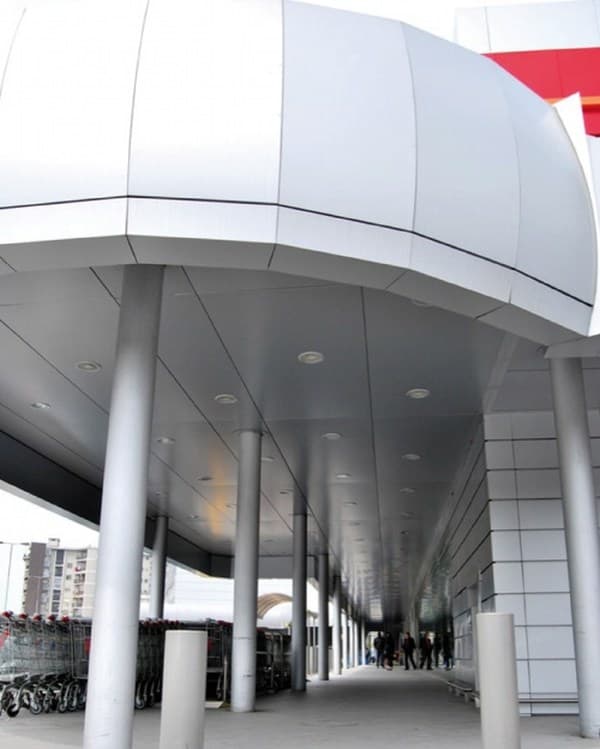
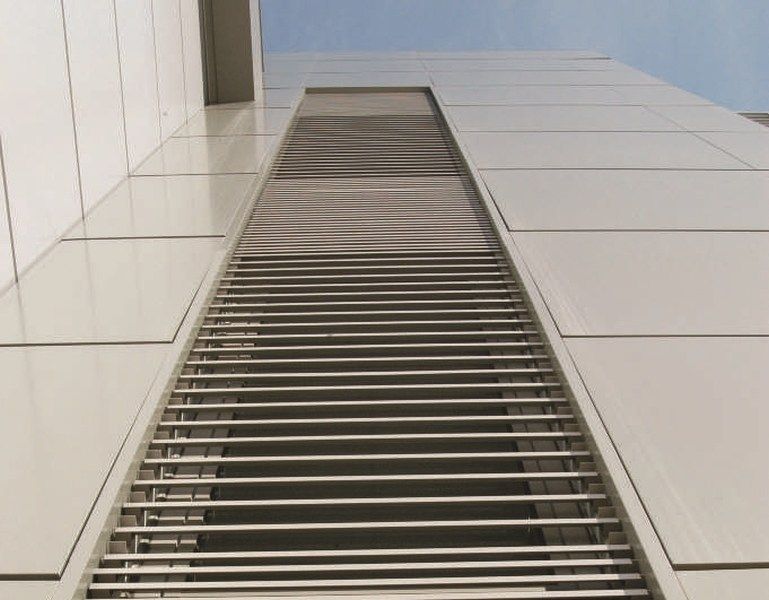
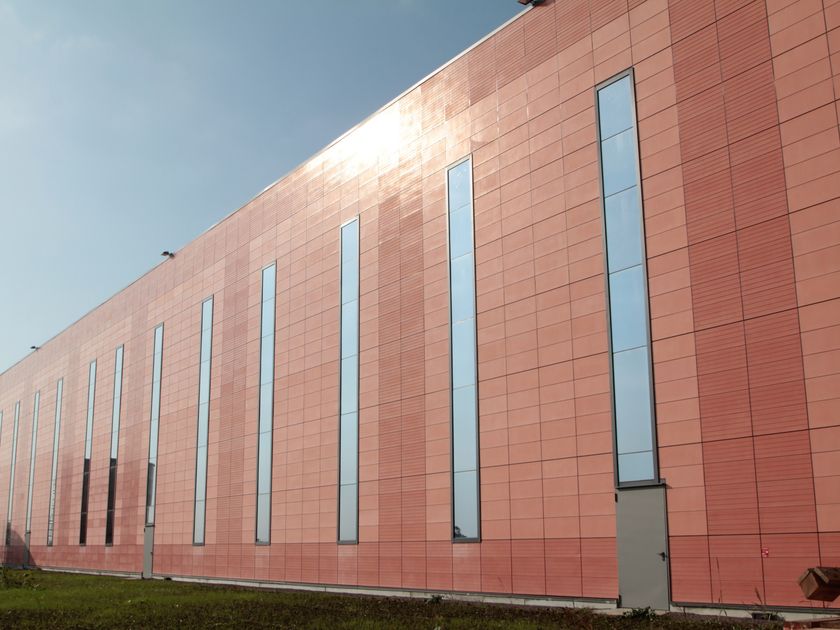
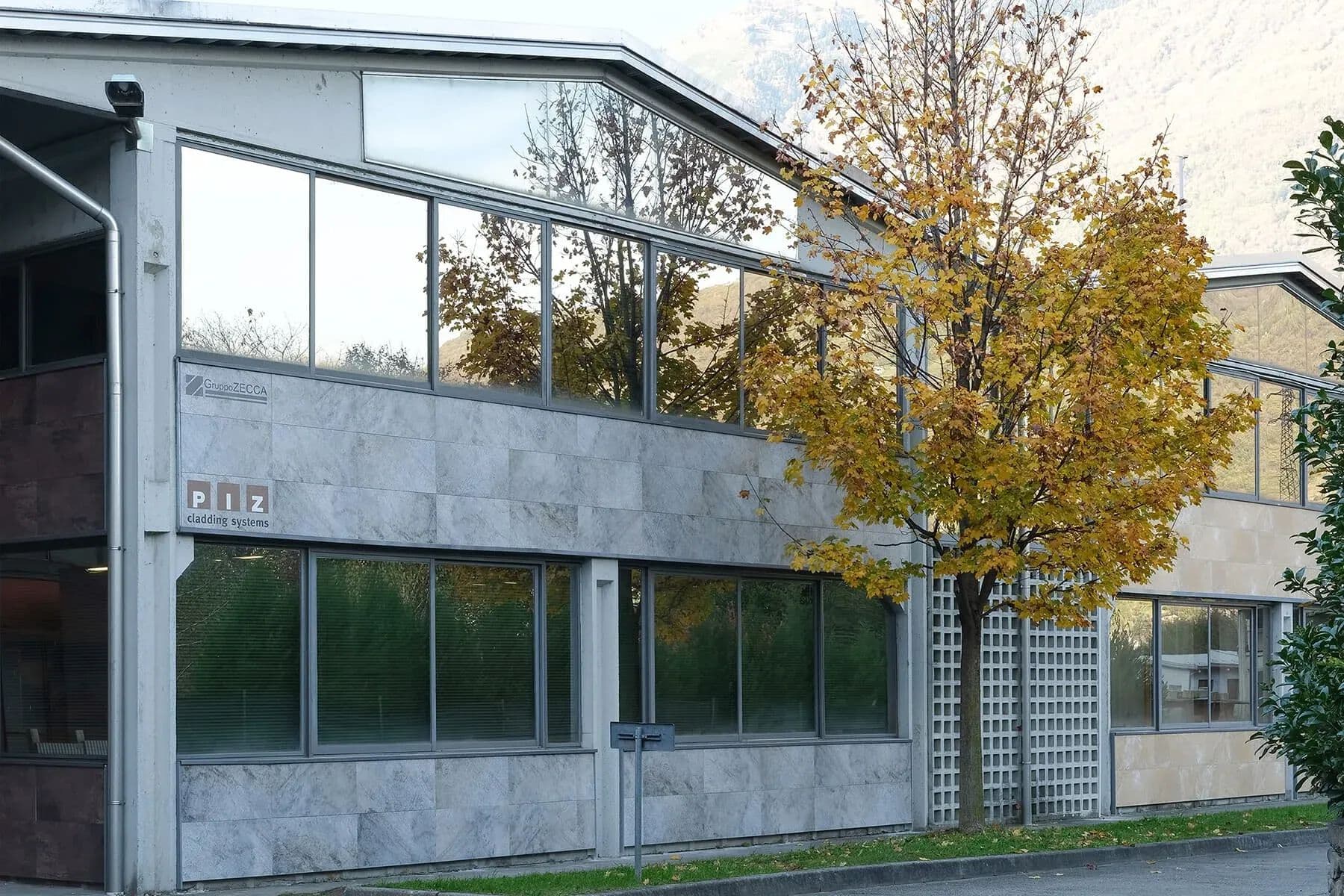
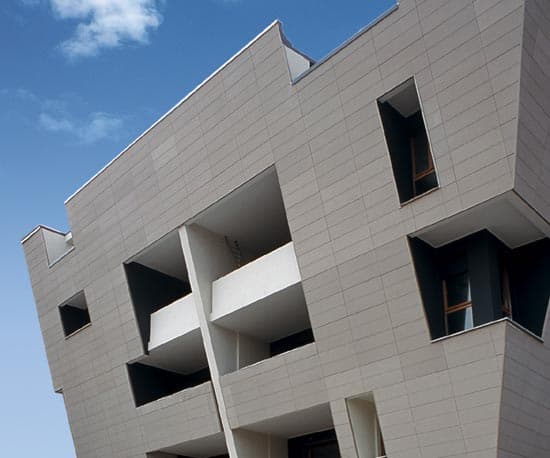
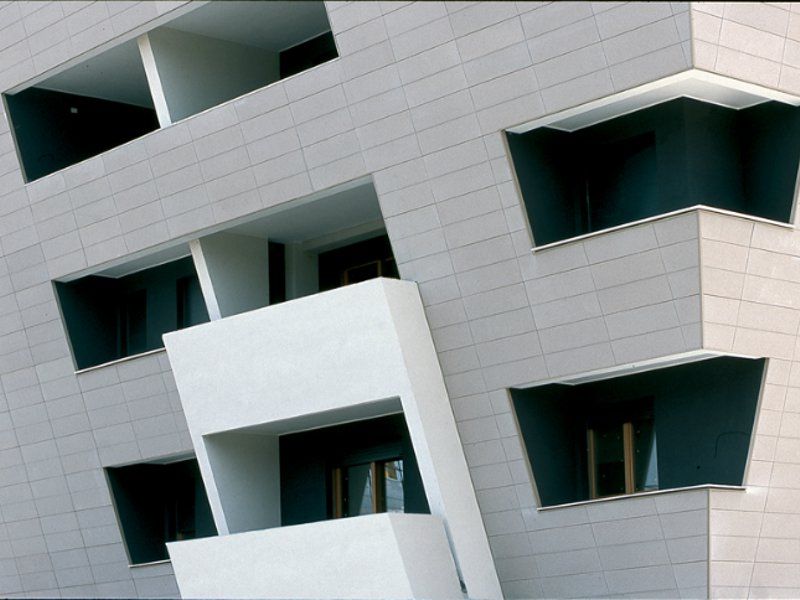
Zecca Prefabbricati S.p.A., in collaboration with the 'Giulio Natta' Chemistry Department of the Milan Polytechnic and other recognised international research institutes, has developed the PIZ Intelligent Surface cladding system made of material with titanium dioxide additive to modify its surface properties, determining its photocatalytic and antibacterial activity and superhydrophilic characteristics.Superhydrophilicity allows walls covered by the PIZ I.S. system to be permanently coated with an invisible film taken from the moisture in the air, which in no way allows dirt to adhere to the walls, so that all kinds of dirt can be easily removed by natural runoff.
PIZ and its ADVANTAGES:
- Self-cleaning
- Air pollution abatement
- Antibacterial
PHOTOCATALYSIS
Zecca Prefabbricati S.p.A., in collaboration with the "Giulio Natta" Chemistry Department of the Milan Polytechnic and other recognised international research institutes, has developed the PIZ Intelligent Surface coating system made of material with titanium dioxide additive in order to modify its surface properties, determining its photocatalytic activity and superhydrophilic characteristics.
SELF-CLEANING
The special dirt-repellent characteristics that allow a drastic reduction in cleaning and maintenance costs are guaranteed by a physical phenomenon determined by the combined action of light/photocatalytic product, technically defined as 'superhydrophilicity', which allows water to spread perfectly over the surface without the formation of drops.
The action of 'superhydrophilicity', which allows walls covered by the PIZ I.S. system to be permanently coated by an invisible film drawn from the humidity in the air, will never allow dirt to adhere to the walls. Therefore, all kinds of dirt can be easily removed by natural runoff.
KILLING ATMOSPHERIC POLLUTION AND ANTIBACTERIAL POWER
A photocatalyst is a substance that, when subjected to sunlight, can accelerate a chemical reaction without intervening in the process. For example, in photosynthesis, the process of plants, chlorophyll is a photocatalyst.
When the photocatalyst absorbs ultraviolet (UV) radiation from the sun or is illuminated by an artificial source (UV lamp), it generates electron pairs and holes in the valence band. The holes in the valence band have a strong oxidising power and the electrons a strong reducing power. When these pairs of holes and electrons react with the moisture on the surface, the strong oxidising power produces hydrogen radicals; these radicals react with pollutants or bacteria in the atmosphere to decompose them and oxidise into non-pollutants that are easily washed away by rain.
0
0