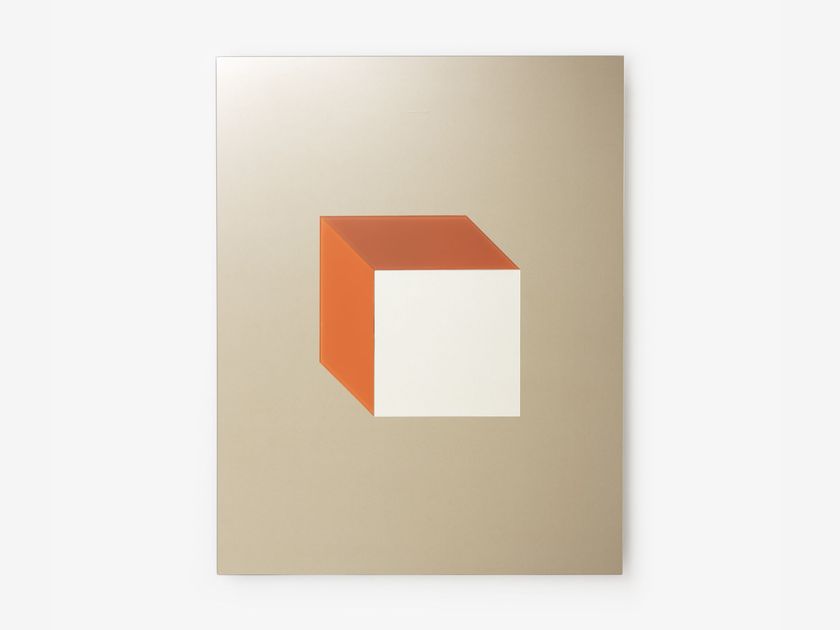
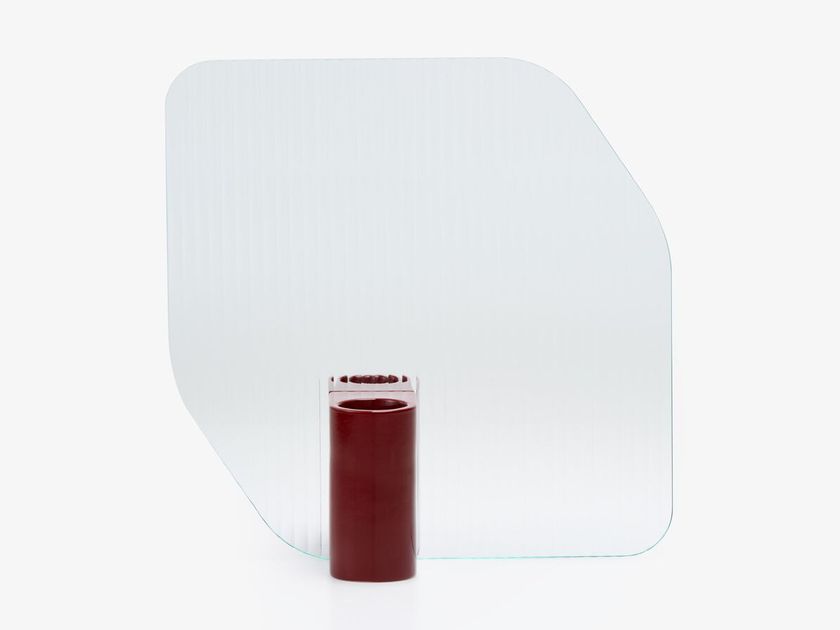
Ligne Roset NEW BAÏKAL Wall mirror with adjustable elements
The Baïkal mirror is one of the most significant creations by designer André-William Blandenier, first presented in the 1980s.
This iconic model has become part of important museum collections, including: Musée d’Art et d’Histoire (Maison Tavel) in Geneva, permanent collection; Museum für Gestaltung (Museum Bellerive) in Zurich, permanent collection. It is also cited in numerous books on Swiss design and, thanks to its presence in advertisements, music videos, and theatrical sets, it has achieved great media success, consolidating its status as a design classic today.
The prototype created in 1985 was subsequently produced and marketed by various companies, which refined its technical execution. Today, the Baïkal mirror is re-proposed by Ligne Roset under the new name New Baïkal. The name New Baïkal recalls the designer's interest in Russia, born from reading Dostoevsky.
Composed of nine orientable squares fixed on joints, the mirror originated from a crumpled photograph, whose folds fragmented the image: a vision that inspired André-William Blandenier. Thanks to its orientable elements, New Baïkal allows for the creation of a dynamic wall surface that captures and redistributes light, transforming the mirror into an authentic object of wall art.
26
0