Управление строительствомCDM Dolmen#CDM Dolmen#Software#BIM, CAD and rendering#CAD-integrated structural design software#Structural calculations
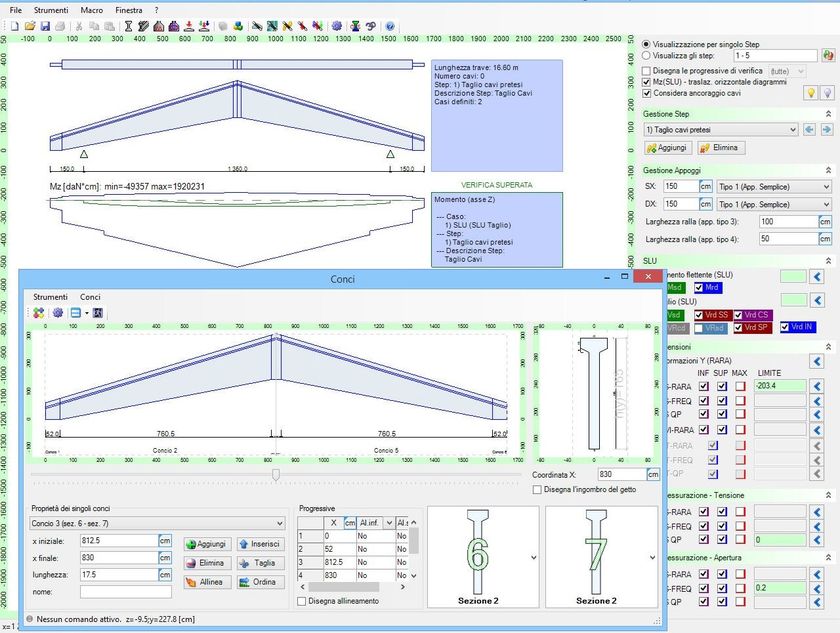
CDM Dolmen
The 'Guidelines for the seismic risk classification of buildings' have been published, which will enable the so-called 'Sisma bonus' to be activated. With a view to encouraging the improvement of Italy's building heritage, a tax deduction is envisaged for those interventions that reduce the seismic risk of a building. The designer must therefore certify the beneficial effect of the planned intervention, an additional task that DOLMEN tries to make less burdensome.
In DOLMEN there is a NEW chapter dedicated to the seismic risk classification of buildings required to have access to the "Sisma bonus".
This function allows the building to be classified using either the simplified or the conventional method indicated by the Guidelines published by the Ministry.
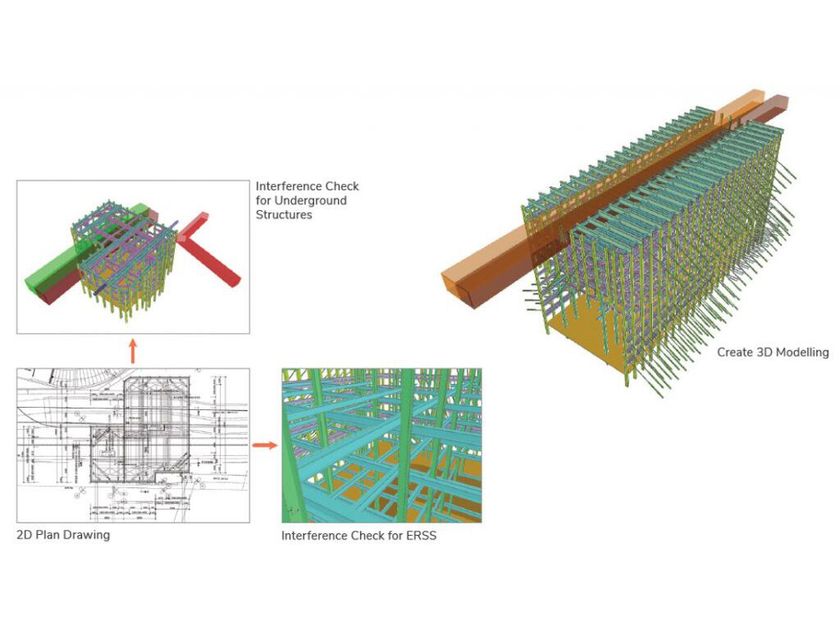
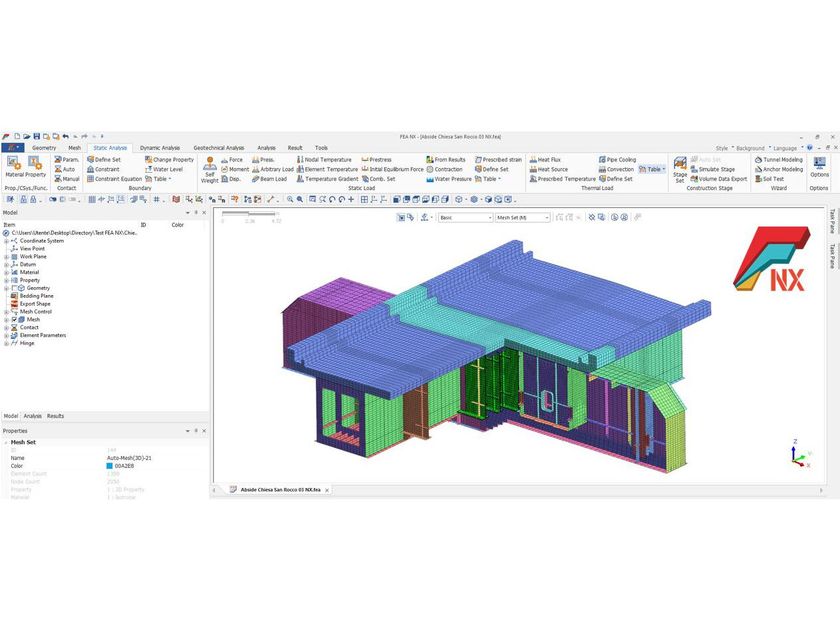
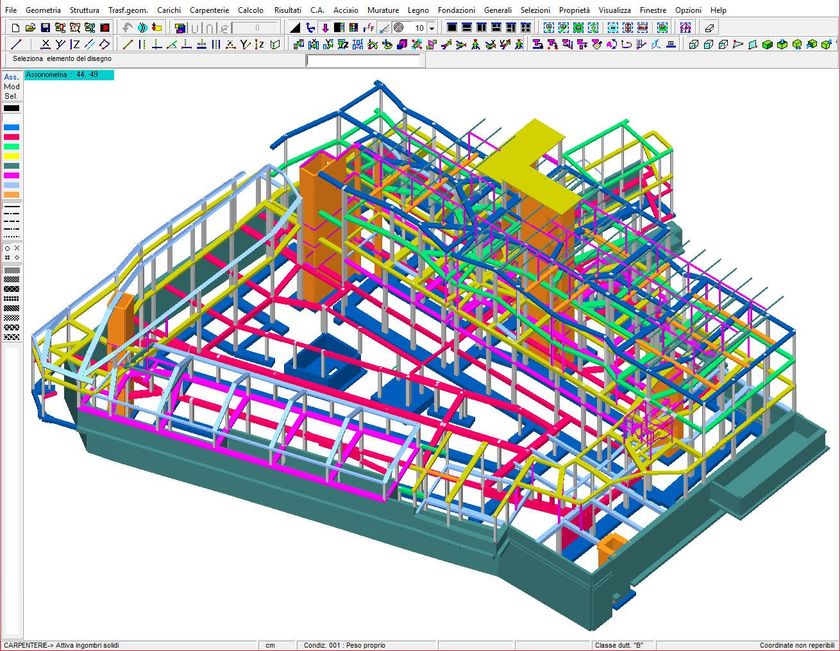
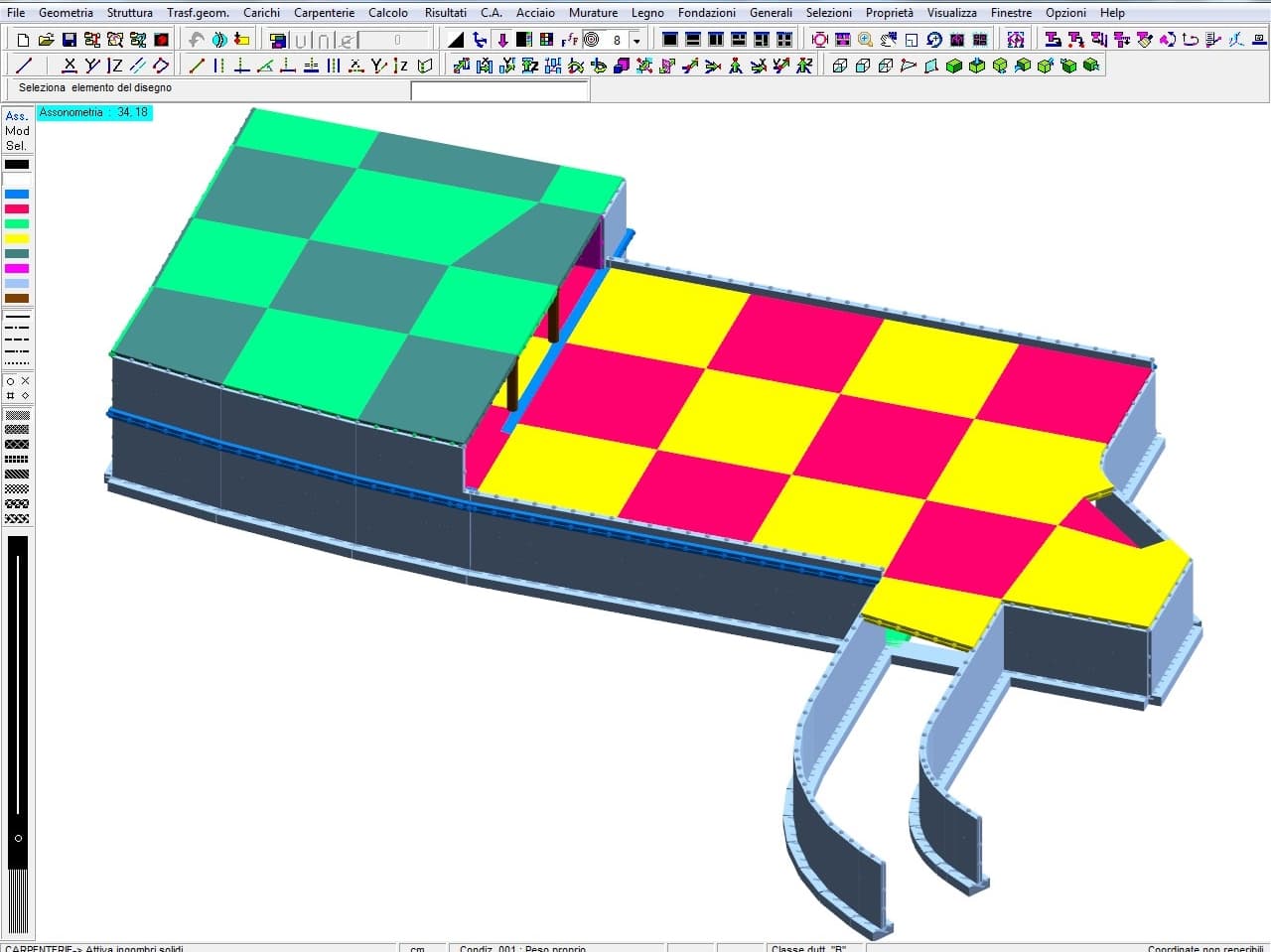
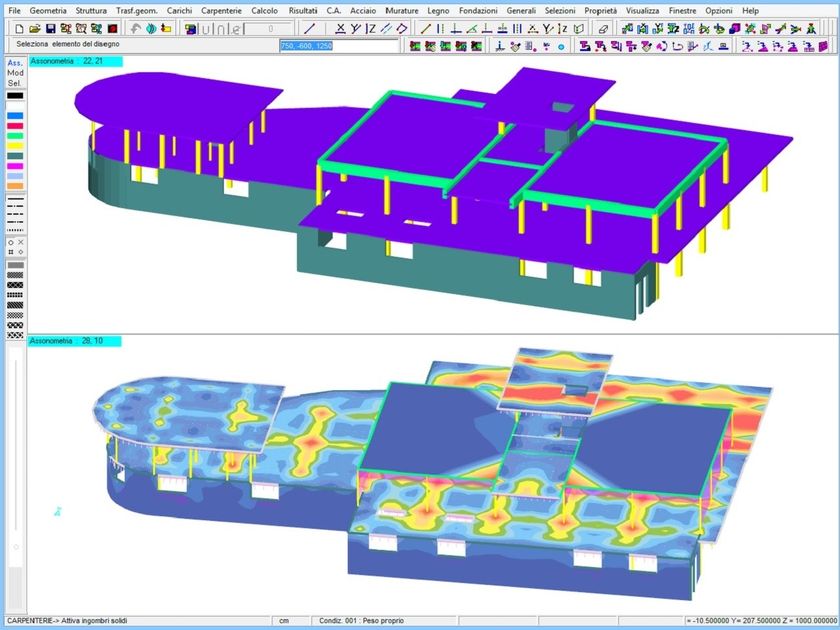
With regard to the conventional method, the building is modelled in the 3D CAD Structure and the seismic demand scenario is saved. It is probable that the seismic demand scenario required by the standard is not withstood by the construction under consideration, so it is necessary to lower the nominal life until a configuration that the structure can withstand is obtained; at this point the pre-intervention scenario is saved. If the construction is verified for a seismic action with TR of less than 10 years or is not verified, it is indicated that the structure is not verifiable and the risk class G is assigned, otherwise the risk class is evaluated.
At this point the structure is modified in order to schematise the intervention and once the desired situation has been reached, the post-intervention scenario is saved from which the calculation of the new risk class is carried out.
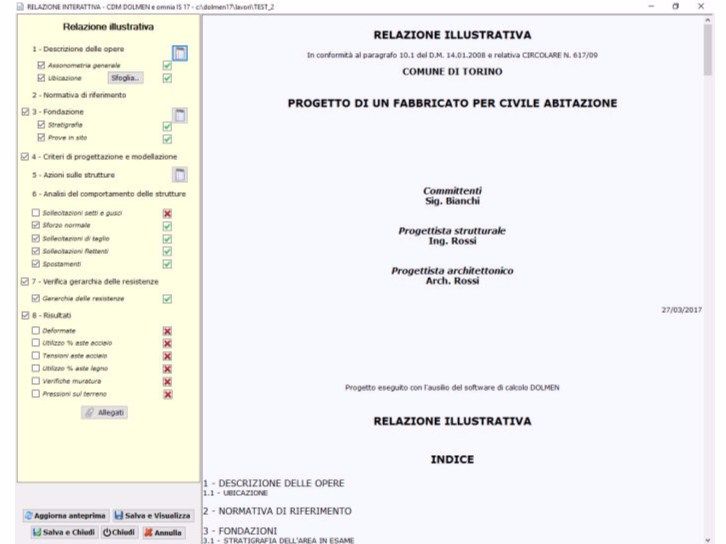
DOLMEN allows a report to be drawn up that contains a theoretical introduction, a report of the calculated parameters and the asseveration defined in Annex B of the Guidelines, already completed.
Free for DOLMEN users.
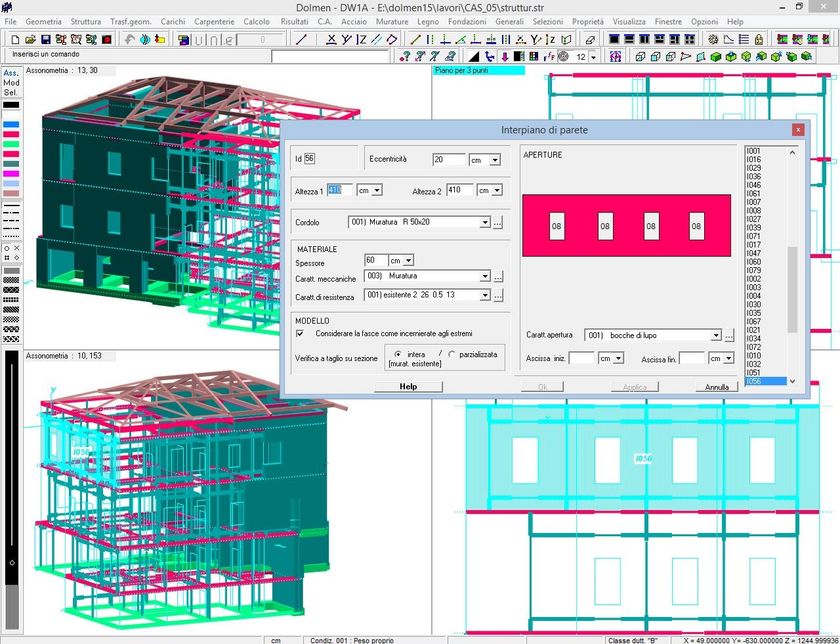
DOLMEN allows you to apply the simplified method. The programme presents a table similar to the one in the Guidelines and, depending on the structural type chosen, enables the selection of a single group of local mechanisms with their respective peculiarities; if nothing is selected, the pre-intervention vulnerability class is not lowered. We then move on to the possible local interventions to improve the building's vulnerability; the choice depends on the options selected previously. The results of the classification are then displayed and, again, a report is generated consisting of a theoretical introduction and the completed certificate with all the data and parameters obtained.
0
0